India's Sports Strategy: No Bilateral Ties with Pakistan, Yes to Global Events
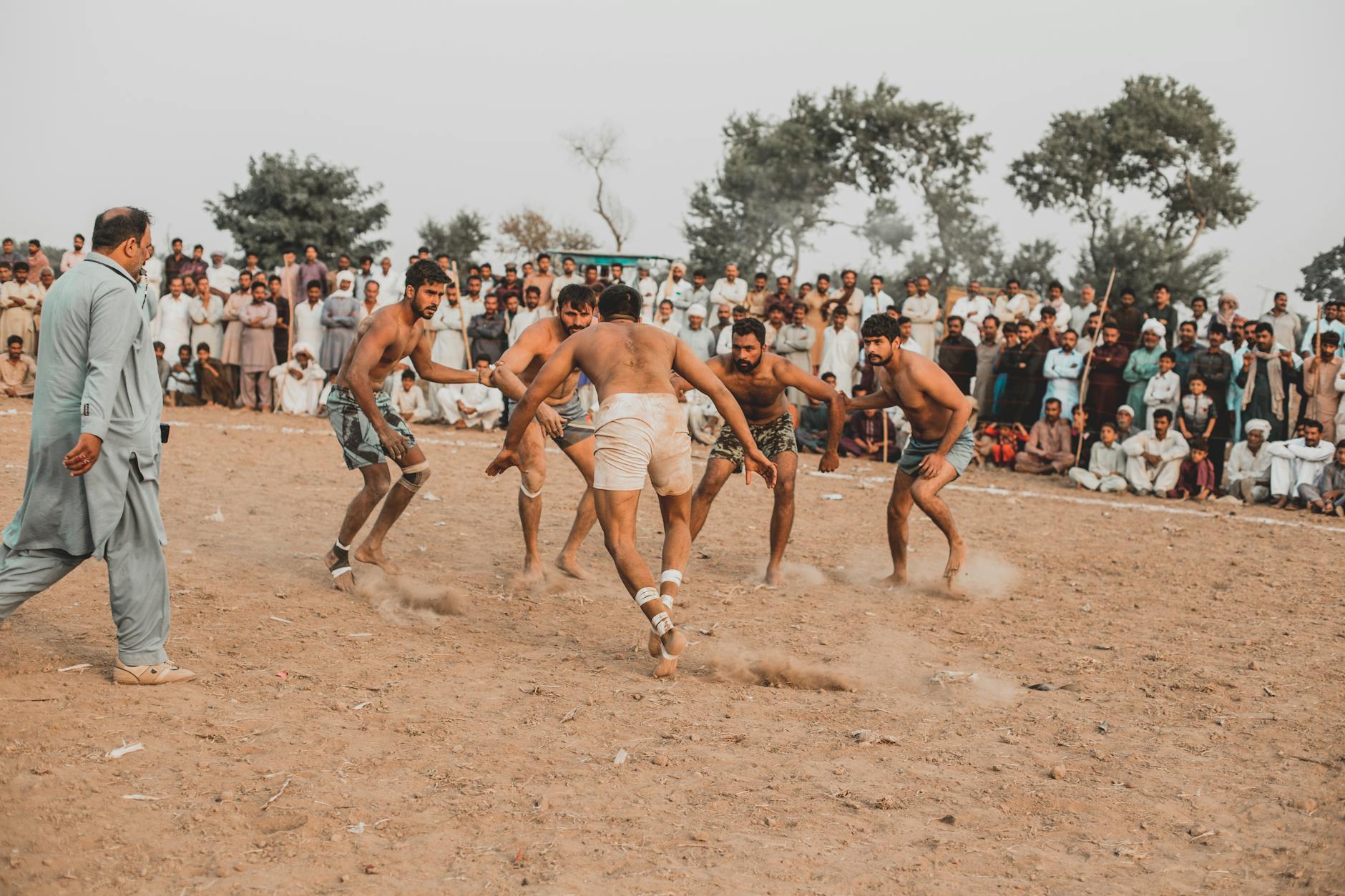
In a move that balances diplomacy and sportsmanship, India has formally announced its dual-track sports policy concerning Pakistan. The government's decision to eschew bilateral sporting ties while welcoming Pakistani athletes to multilateral events hosted on Indian soil marks a nuanced approach in international relations.
This policy emerges against a backdrop of complex and often strained Indo-Pak relations. By allowing participation in multilateral sports events, India signals a willingness to engage in global sporting activities without compromising its diplomatic stance. This policy permits Pakistani athletes to compete in events like the Asian Games or the Commonwealth Games hosted in India but maintains a strict embargo on direct sporting duels such as cricket series or bilateral tournaments.
Historical Context
Historically, India and Pakistan have shared a fraught relationship, punctuated by periods of tension and conflict. The sporting arena has often mirrored this dynamic, with cricket matches, in particular, serving as proxy battlegrounds for national pride. However, the latest policy underscores a shift in focus. India’s decision to facilitate easier visa processes for athletes from Pakistan indicates a commitment to uphold the spirit of international sportsmanship.
The Bigger Picture
While the policy primarily addresses sporting events, it also reflects India's broader geopolitical strategy. By maintaining a firm stance against bilateral engagements, New Delhi aligns its sports policy with its diplomatic objectives. This approach also positions India as a responsible host in the global sports community, enhancing its reputation and influence.
The decision may also be seen as a strategic manoeuvre to bolster India's standing in international sports bodies, potentially paving the way for hosting more prestigious events in the future.
In conclusion, India's dual-track policy is a testament to its complex balancing act between fostering international sportsmanship and maintaining a cautious diplomatic stance. As the world watches, this policy may well set a precedent for how nations navigate the intersection of sports and diplomacy.