India's Unlikely Workforce: Training AI Robots for Domestic Chores
In the sweltering kitchens of Chennai, a quiet revolution is unfolding. Nagireddy Sriramyachandra, a housewife with a smartphone strapped to her head, is part of an emerging workforce training AI robots to perfect household chores. For 250 rupees an hour, she films herself slicing mangoes and sweeping floors, her footage feeding into a vast repository of 'egocentric data'.
These clips are not simply idle recordings. They are the building blocks for AI models designed to mimic human actions. The goal is for robots to one day perform these tasks autonomously, a prospect that evokes both excitement and trepidation in equal measure.
In the bustling tech hubs of the United States, companies like Objectways see India as a rich vein of data. The country's vast population, with its diverse range of manual skills, offers an unparalleled resource. But while some view this as a step towards a futuristic utopia, others fear it could herald a dystopian shift in employment.
The Economic Conundrum
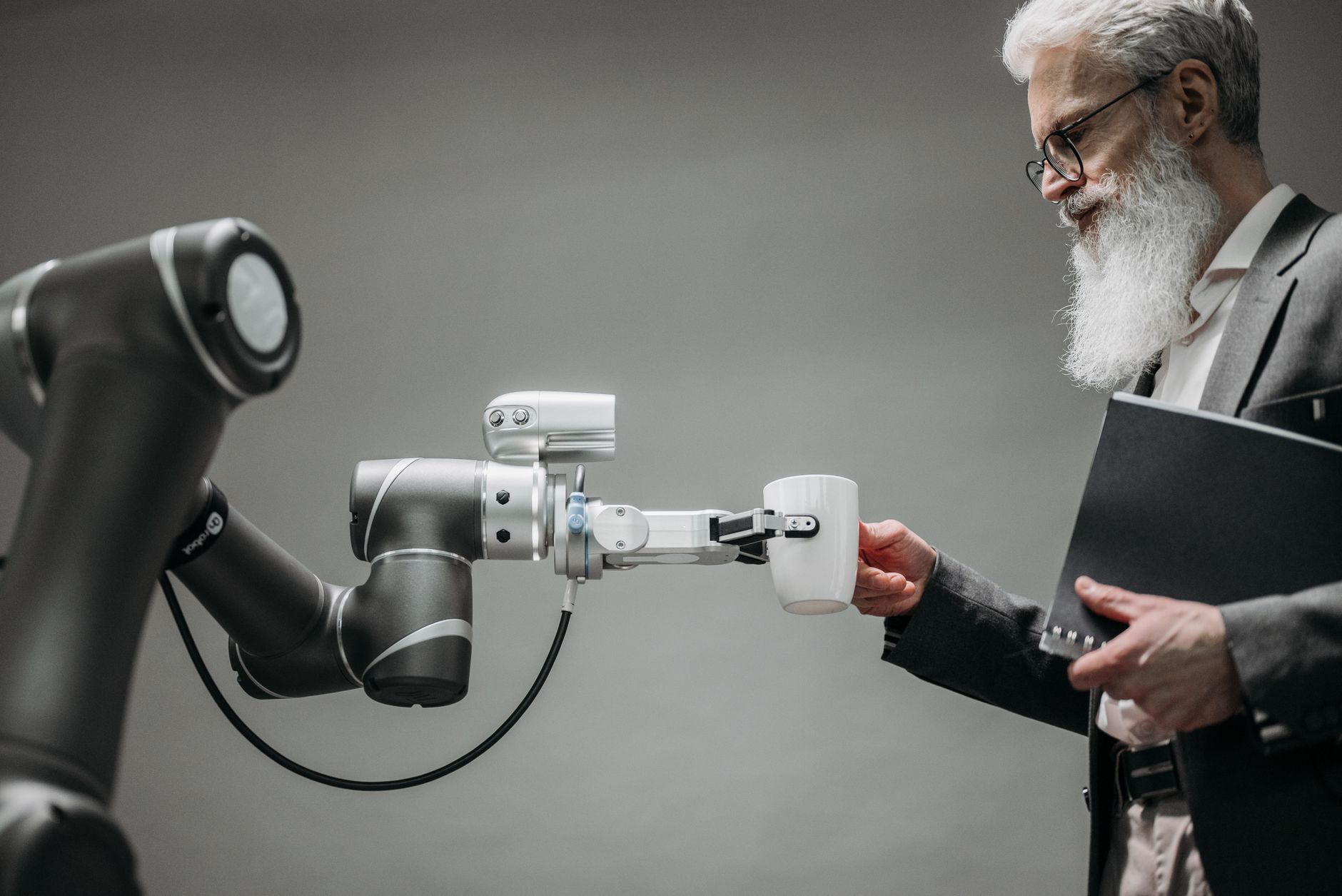
At the heart of the debate is the question of jobs. Will these robots replace the workforce or complement it? Manish Agarwal of Humyn Labs maintains a hopeful stance. He envisions a world where humans and robots collaborate, where an Indian welder could potentially oversee a robot in Prague.
Yet, this optimism is not universally shared. Critics argue that such technological advances could exacerbate unemployment in a country already grappling with job scarcity. As automation encroaches on traditional roles, workers may find themselves in direct competition with machines they helped create.
Changing Dynamics
Despite the looming uncertainties, people like Sriramyachandra remain pragmatic. "Who else will give you 250 rupees an hour for doing housework?" she quips. Her sentiment echoes a broader acceptance of the changing job landscape, as workers adapt to new roles as data providers and AI trainers.
While the future remains uncertain, one thing is clear: the intersection of technology and labour in India is reshaping traditional boundaries. As workers train the very robots that may one day render them redundant, they are also shaping the future of employment in the world's most populous nation.