India's Workforce: Training the AI to Replace Them
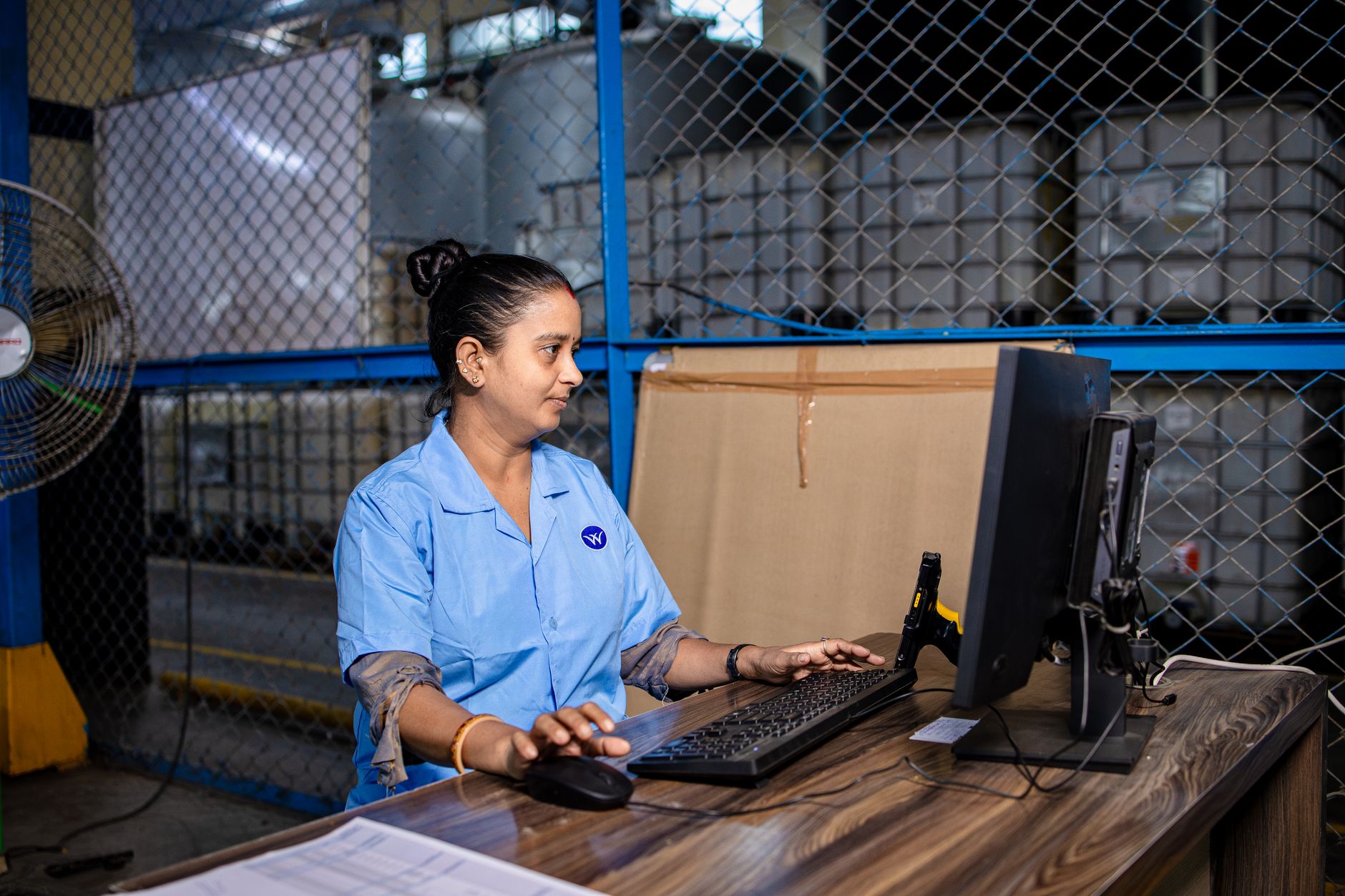
In an age where technology is both a boon and a bane, Indian workers find themselves grappling with an ironic twist of fate. They are tasked with training artificial intelligence systems that are designed to potentially replace their own jobs. The paradox is not lost on those involved, as they contribute to a future that may sideline their very existence.
India, a hub for IT and software services, has long been at the forefront of technological advances. Now, it stands at a crossroads where the very skills that have driven its growth could lead to obsolescence for many. AI, with its promise of efficiency and cost-effectiveness, is being integrated into numerous sectors, from customer service to data analysis.
Training the Future
The process of training AI involves feeding algorithms vast amounts of data, a task that requires human oversight. Indian workers are meticulously categorising and annotating information to 'teach' these systems how to perform tasks such as recognising images, understanding language, and even conducting conversations. This is no mean feat, and it requires a blend of expertise and patience.
Yet, the ultimate goal is clear: to create machines that can perform these tasks independently, thereby reducing the need for human intervention. For many workers, this realisation is a double-edged sword. As they impart knowledge to AI, they are acutely aware that their roles may one day be rendered redundant by the very systems they are building.
A New Economic Reality
The implications of this shift are profound. While AI promises increased productivity and new opportunities, it also threatens traditional employment models. In a country with a vast workforce, the potential displacement could have significant socio-economic ramifications. Policymakers and industry leaders are thus faced with the challenge of creating a balanced ecosystem where technology augments rather than replaces human capability.
For the workers, adaptation is key. Upskilling and reskilling initiatives are being promoted to equip the workforce for new roles that AI cannot yet fulfil. These include jobs that require emotional intelligence, creativity, and complex problem-solving—skills that machines, for now, cannot replicate.
As India navigates this complex transition, one thing remains certain: the future of work is being reshaped before our eyes, and those who can adapt will define the next chapter of the digital age.