Inferno of War: Environmental Devastation Unveiled
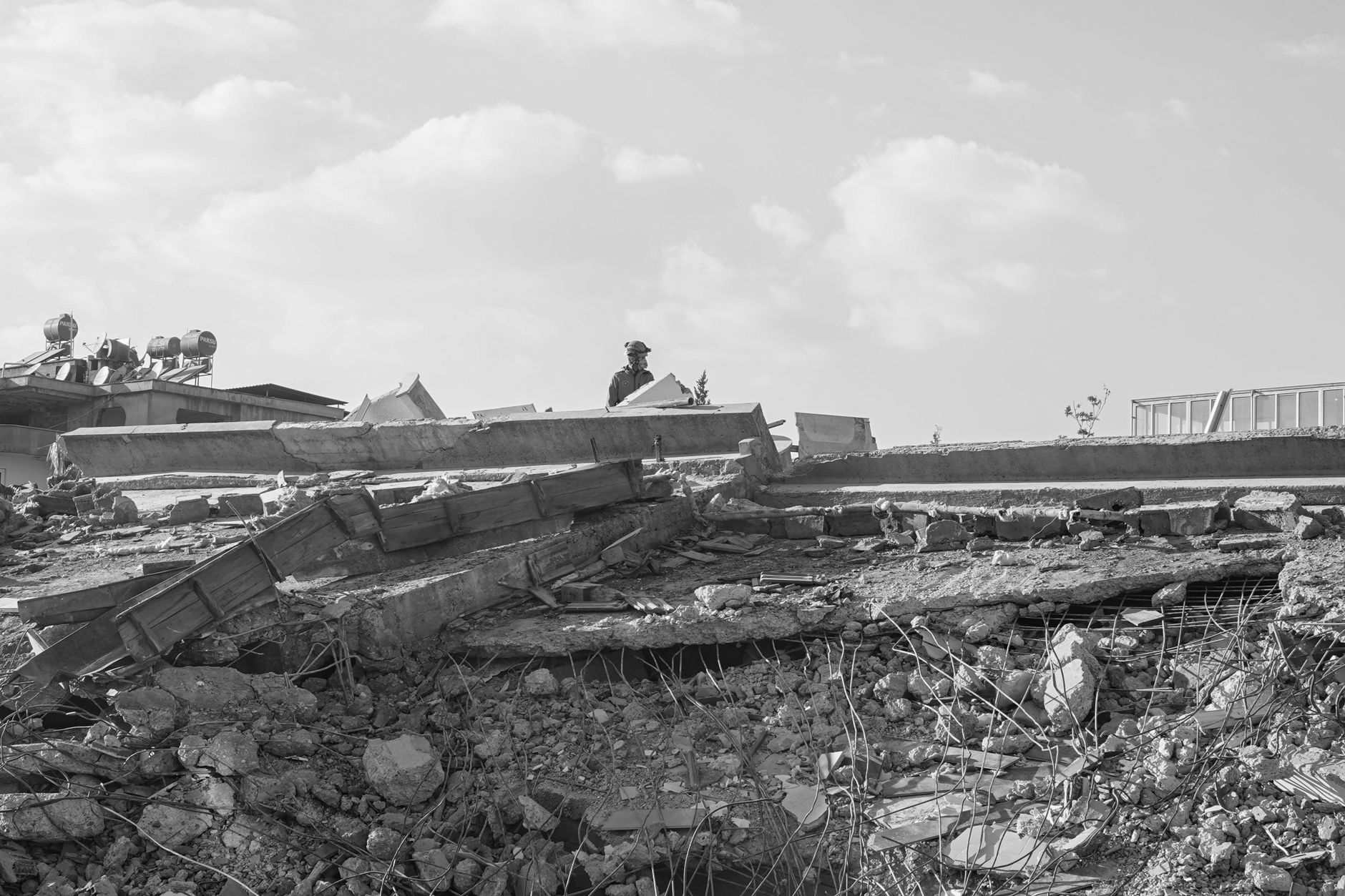
When the echoes of artillery fire fade and the dusts of conflict settle, an insidious battle against environmental devastation begins. While the human toll of war is immediate and palpable, the ecological impact often remains a silent spectre, haunting landscapes long after the last shot is fired.
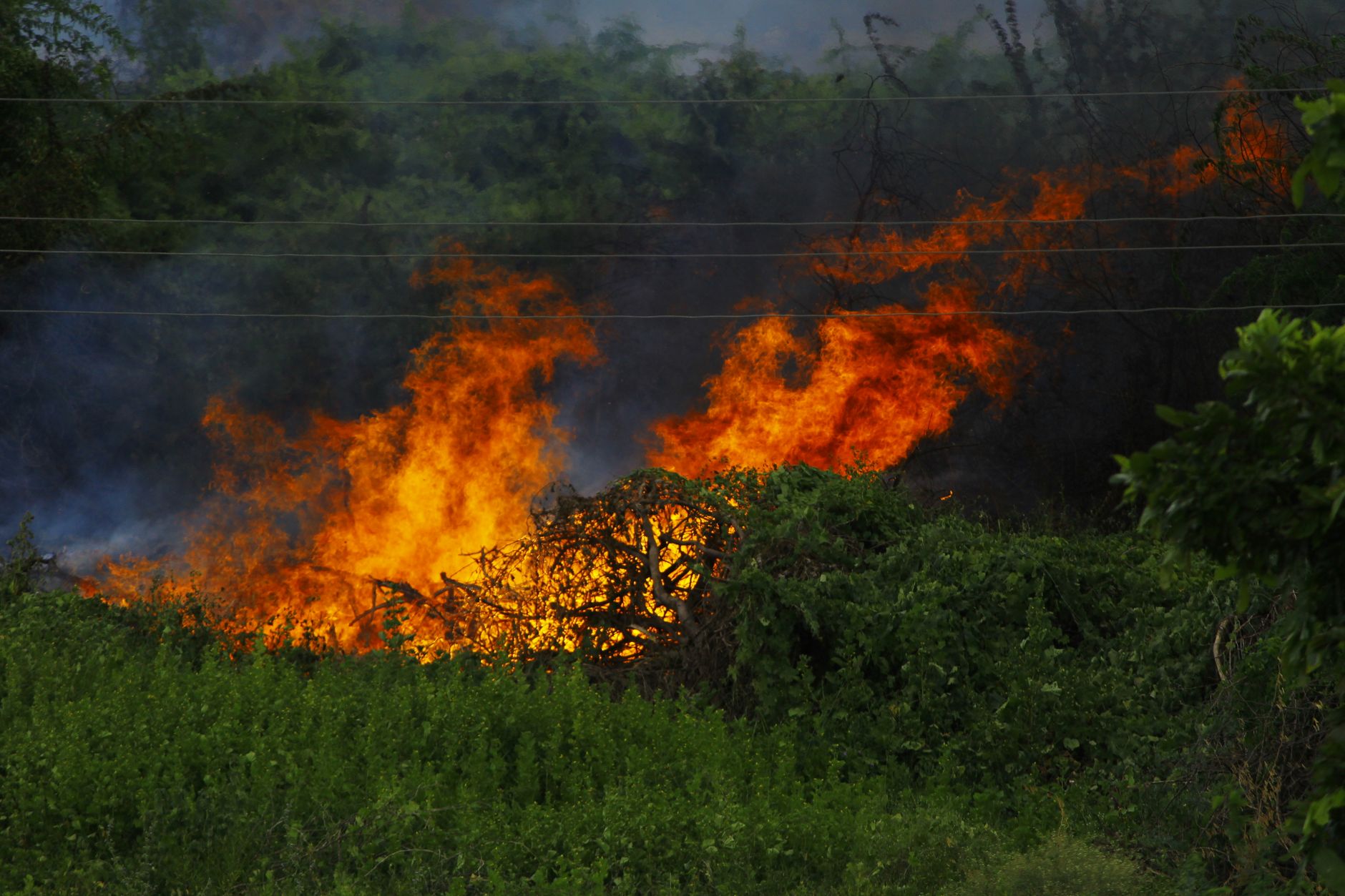
Warzones bear witness to the merciless ravaging of nature. Forests, once teeming with life, are reduced to charred wastelands. Soil, poisoned by chemicals and explosives, becomes barren, unable to sustain even the most resilient of flora. Rivers and lakes, crucial lifelines for local communities, are contaminated by oil spills and debris, rendering them unfit for consumption and destroying aquatic ecosystems.
The Persistent Scar
The environmental aftermath of war is not a transient issue. Decades after the Vietnam War, for instance, the effects of Agent Orange continue to plague the country’s biodiversity and public health. Similarly, the Gulf War left a legacy of oil spills and land mines, with Kuwait still grappling with the consequences.
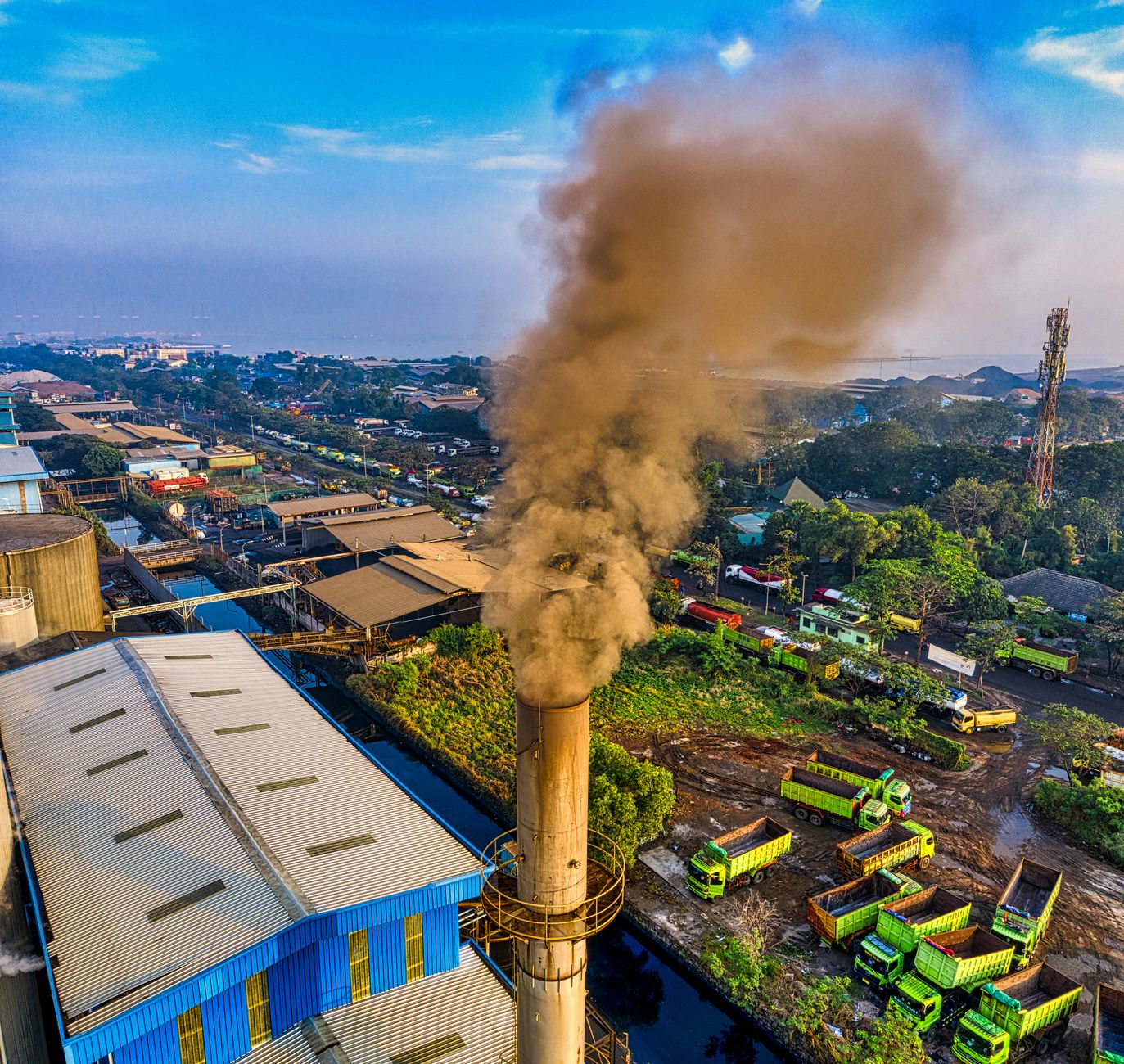
Moreover, the destruction of infrastructure during conflicts leads to uncontrolled emissions, further exacerbating climate change. The rebuilding process, often prioritising quick fixes over sustainable practices, can perpetuate environmental degradation.
A Call for Change
As we confront the realities of modern warfare, the need for comprehensive strategies to mitigate environmental harm becomes paramount. International bodies and governments must prioritise environmental protection in conflict zones, incorporating it into peacekeeping and reconstruction efforts.
Public awareness and advocacy play a crucial role in this endeavour. By pushing for regulations that address both human and environmental needs, societies can work towards a more harmonious coexistence.
The scars of war are deep, but with concerted efforts, healing is possible. The challenge lies in recognising the environment as a key stakeholder in peace negotiations, ensuring that the natural world is given a voice in the dialogue towards a sustainable future.