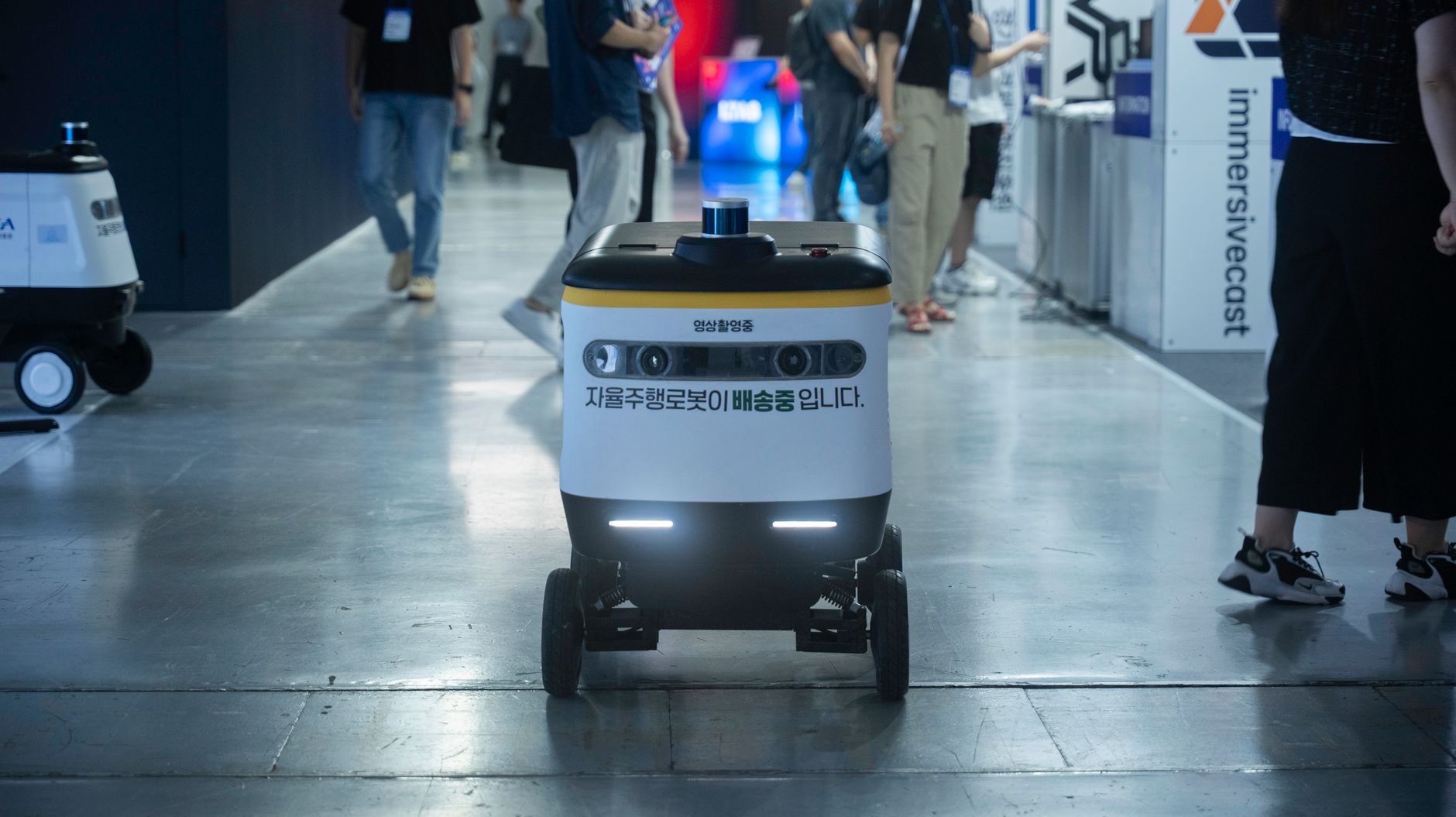
Innovating to Feed Ten Billion: The Role of Technology
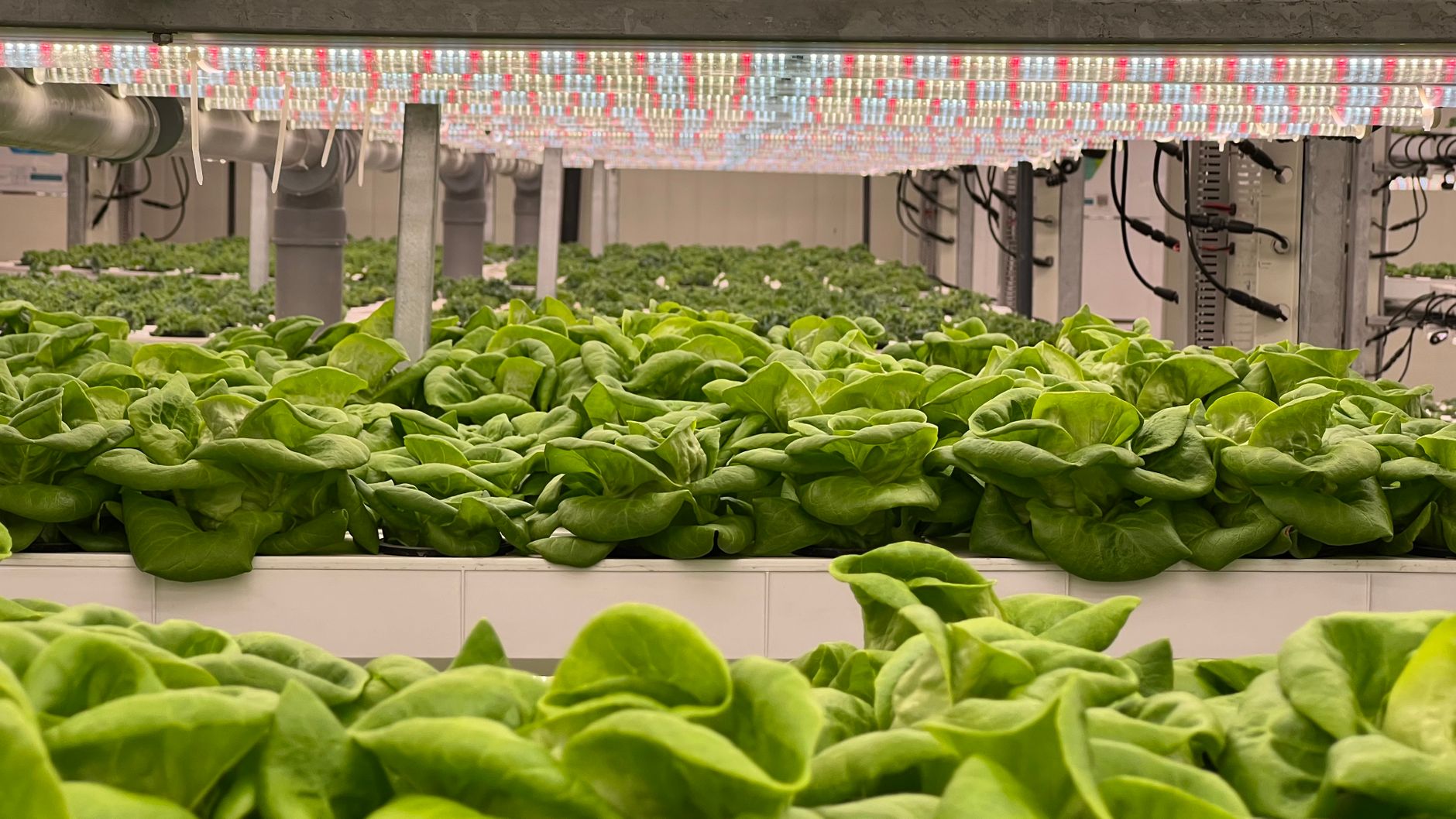
Feeding the world’s projected 10 billion people by 2050 is no small feat, especially when current agricultural practices can sustainably support only about 3.4 billion. The pressure on global food systems is intensifying, driven by a burgeoning population and the ever-present spectre of climate change.
In recent years, the focus has shifted towards technological solutions. According to Agfunder, a venture capital firm, investments in agricultural technology have soared, reaching $16 billion in 2025, with over half directed towards improving farm yields.
Technological Innovations at the Forefront
From drones that monitor crop health to AI-driven soil analysis, technological advancements are reshaping agriculture. These innovations are not mere luxuries but necessities if we are to close the gap between current capabilities and future demands. However, the adoption of such technologies is uneven, with hotspot regions like Asia facing significant local challenges.
Moreover, while these technologies hold promise, they require substantial financial and educational resources to implement effectively. Developing nations, where food security is most precarious, often struggle with these prerequisites.
A Sustainable Path Forward
The ultimate goal is not just to increase food production but to do so sustainably. This means not only harnessing technology but also rethinking water management and soil conservation practices. By integrating traditional wisdom with modern science, the agriculture sector can hope to meet future demands without depleting the planet's resources.
In conclusion, while technological innovation is crucial, it is not a panacea. A multifaceted approach that combines technology, policy reform, and international cooperation will be essential to achieve global food security by 2050. As we stand at this crossroads, it is clear that humanity’s ingenuity will be tested like never before.