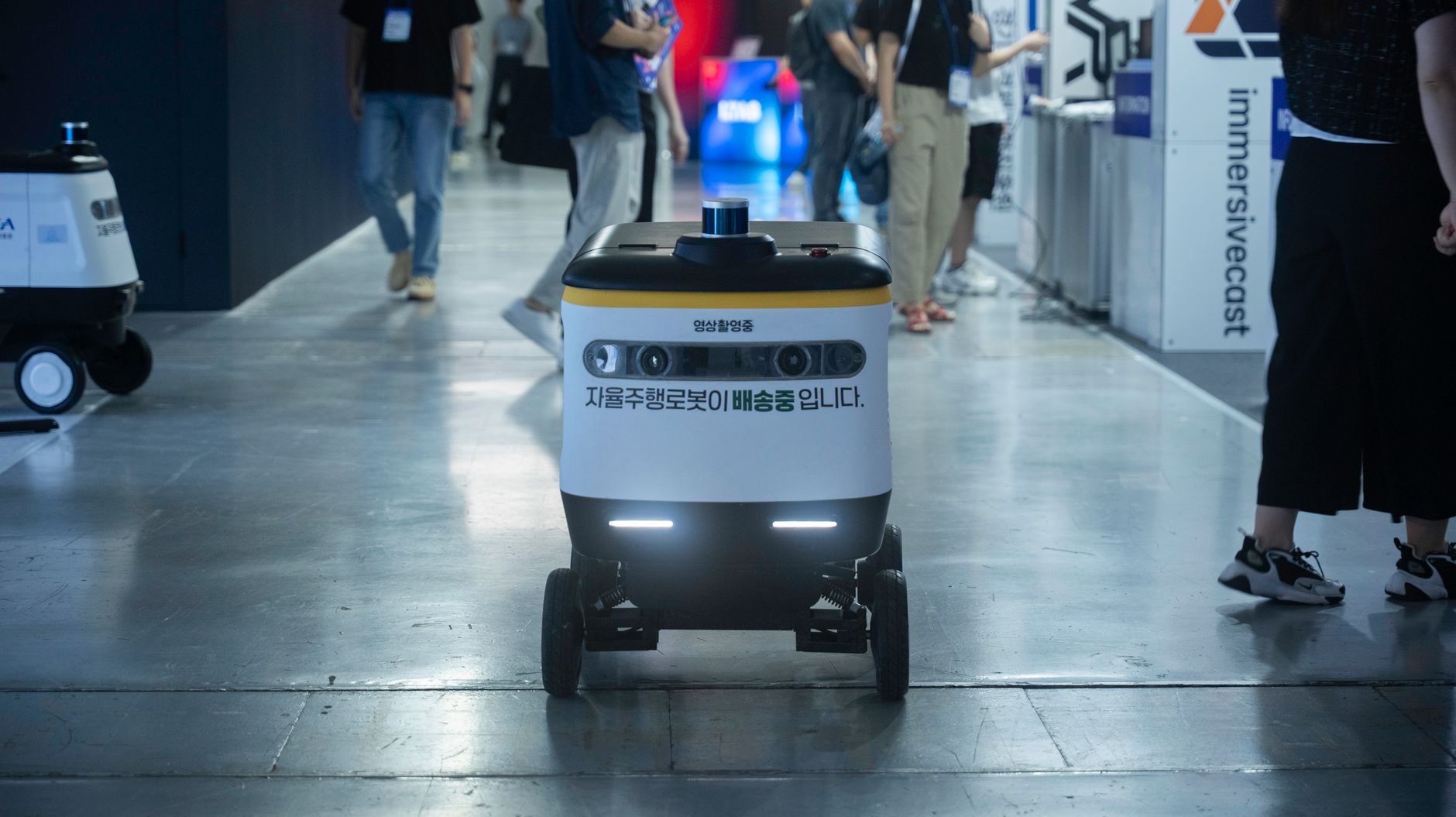
Innovating to Nourish: The Quest to Feed 10 Billion
The world stands at a crossroads as it braces for an unprecedented demographic challenge: feeding 10 billion mouths by the year 2050. The arithmetic is stark, yet the solutions could be surprisingly innovative. Enter technology, with its promise to reshape agriculture as we know it.
AI and Biotechnology: The New Frontiers
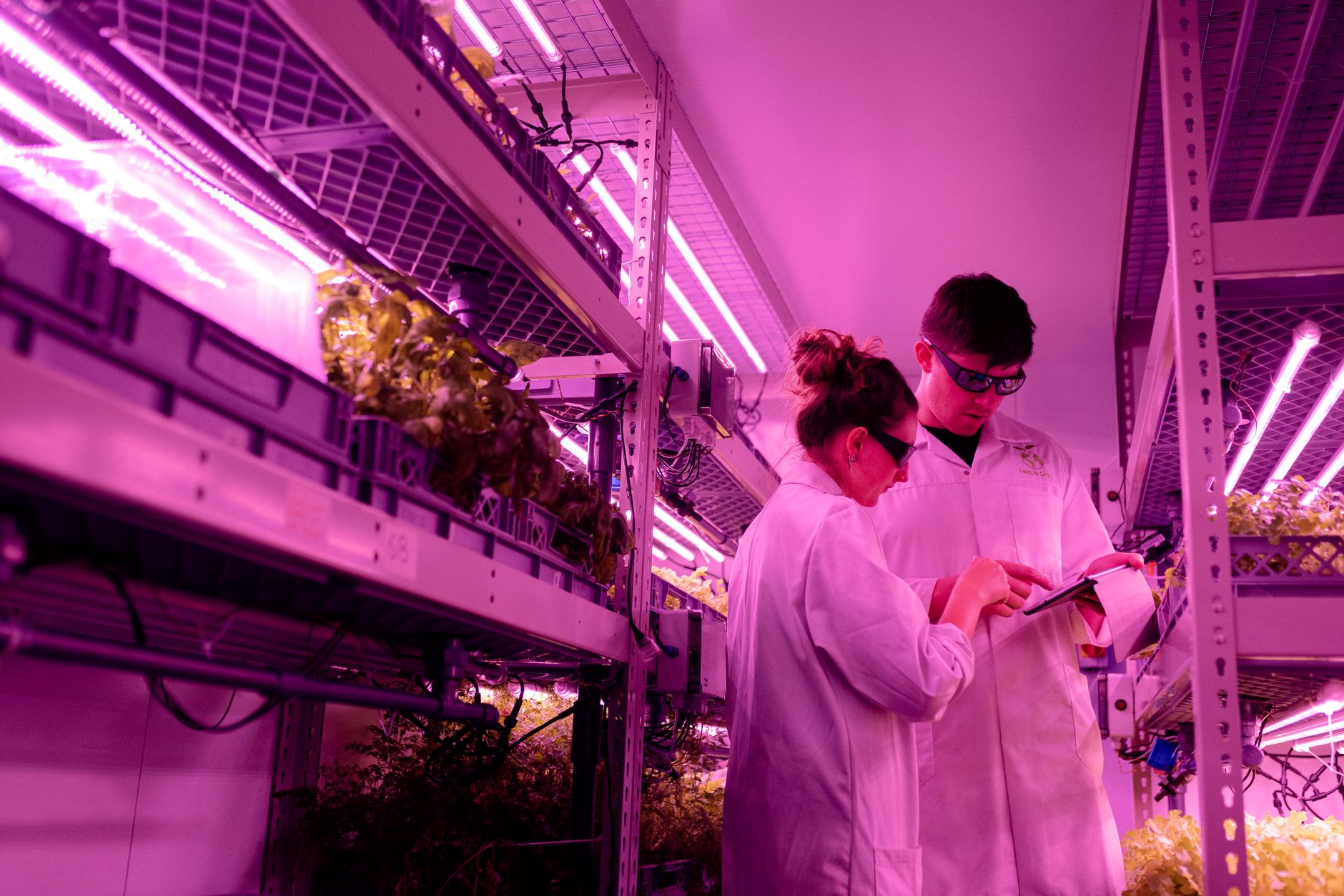
At the forefront of this revolution are artificial intelligence and biotechnology. Start-ups and research institutions alike are exploring how AI can optimise crop yields, manage resources more efficiently, and even predict weather patterns to mitigate risks. Meanwhile, advances in biotechnology are unlocking the potential for genetically engineered crops that require less water and fertiliser, yet yield more.
However, while the allure of technology is undeniable, it is not a panacea. Ethical questions about genetic modifications and the socio-economic implications of deploying such technology on a global scale remain pressing.
Sustainable Practices: Balancing Act
The technological push must coexist with sustainable agricultural practices. Regenerative farming, which focuses on restoring soil health and biodiversity, offers a complementary approach. By integrating technology with these practices, we can aim for a food production system that is both high-yielding and environmentally sound.
Moreover, addressing food waste is equally crucial. Technologies that enhance supply chain management to reduce spoilage and inefficiencies could bridge the gap between abundance and accessibility.
The Road Ahead
Feeding a burgeoning global population is not merely a logistical challenge; it is a moral imperative. The solutions will require a multifaceted approach, blending cutting-edge technology with time-honoured agricultural wisdom. As we approach this pivotal moment, the choices made today will define the future of food security for generations to come.