Innovative Technology: The Key to Feeding 10 Billion by 2050
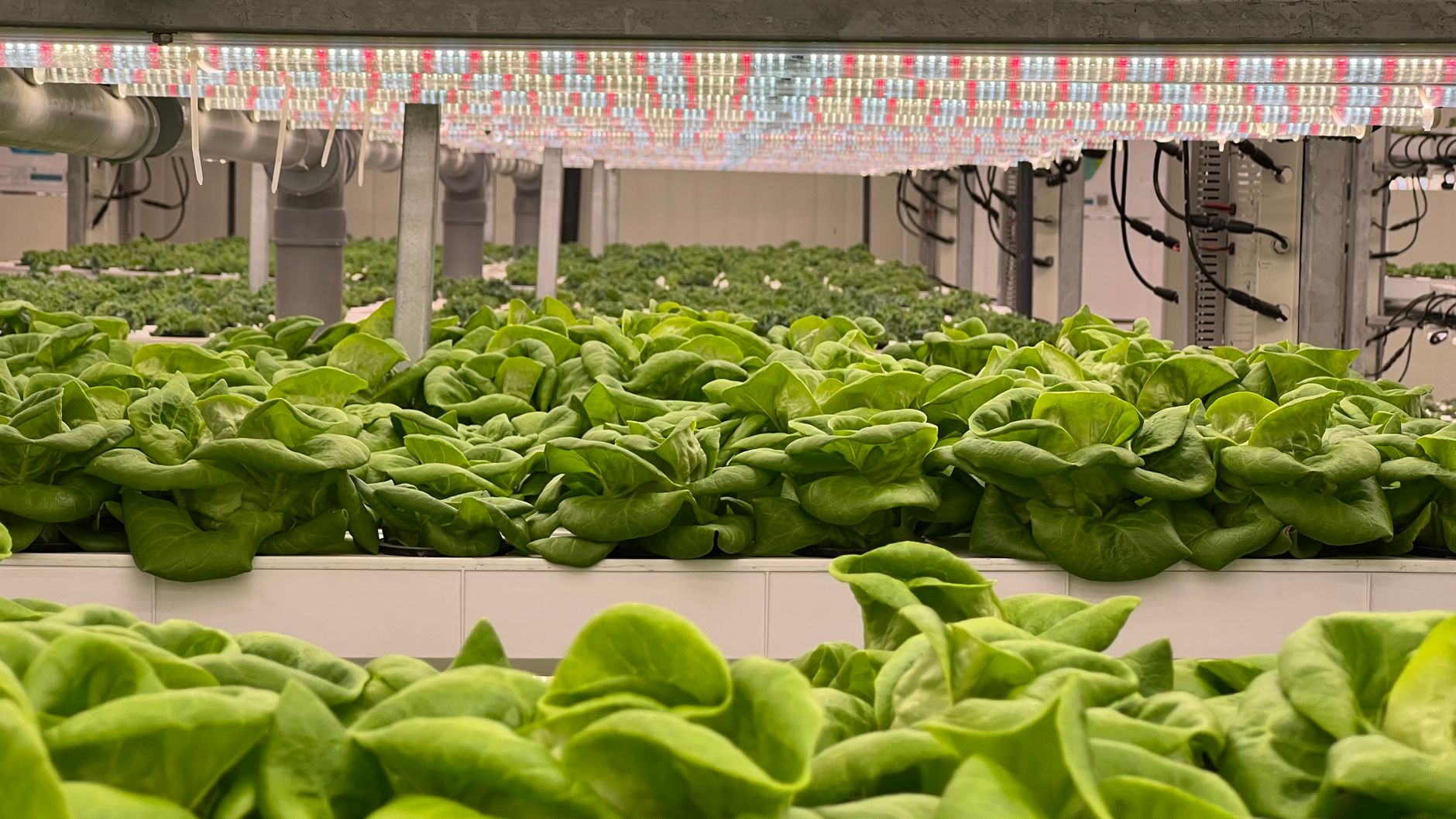
In the shadow of a burgeoning global population, the question looms large: how will we feed 10 billion people by the year 2050? Traditional agriculture, with its vast fields stretching to the horizon, may no longer suffice. As the number of mouths to feed swells, the planet’s resources remain frustratingly finite.
This is where technology steps in, not as a panacea, but as a crucial component of the solution. Startups like B-COS are at the forefront, developing products that promise to enhance crop growth and bolster drought tolerance. Their innovations claim to reduce disease by up to 50%, a potential boon in the ongoing battle against agricultural pests and pathogens.
Technological Advancements
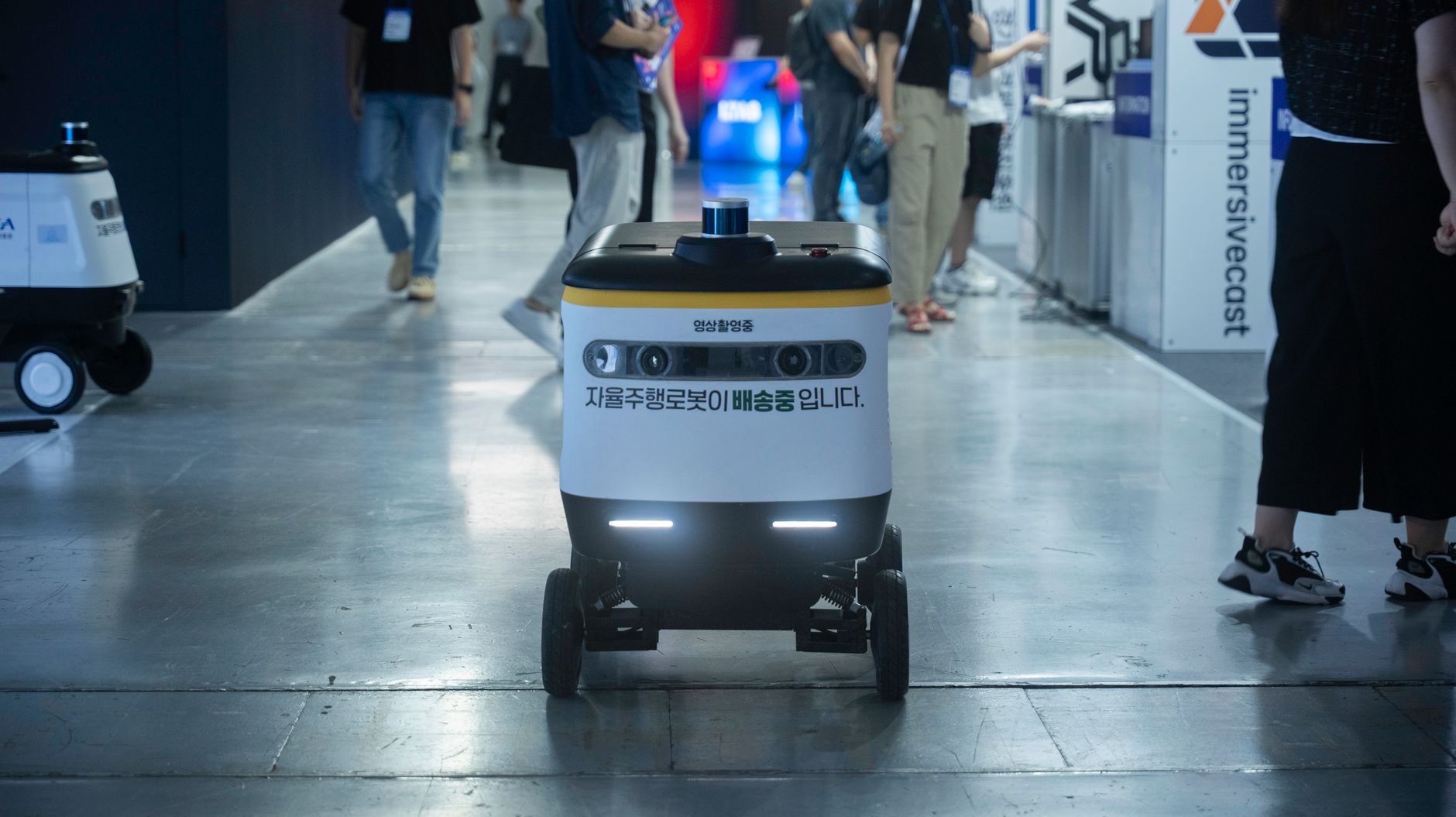
One of the most promising tools in this endeavour is artificial intelligence. AI systems are being harnessed to optimise water use and predict agricultural outcomes, offering a level of precision previously unattainable. In the face of climate change, which continues to rewrite the rules of farming, such precision becomes invaluable.
Furthermore, genetically modified crops, tailored to thrive in less-than-ideal conditions, are being developed to ensure that every hectare of farmland can yield its maximum potential. These innovations are not without controversy, yet their potential to contribute to food security is undeniable.
The Challenges Ahead
However, technology alone cannot solve this complex puzzle. Equitable access to these advancements remains a significant hurdle. Regions most in need of technological intervention often lack the infrastructure and investment required to implement them. Moreover, the social and ethical implications of genetically modified organisms (GMOs) continue to spark fierce debate.
In conclusion, as we march towards 2050, the integration of technology into agriculture is not merely beneficial—it is essential. We must navigate these innovations with careful consideration of their impacts and strive for solutions that are both sustainable and inclusive. The world’s future food security depends on it.