Iran Faces Mounting Crisis as Plastic Waste Piles Up
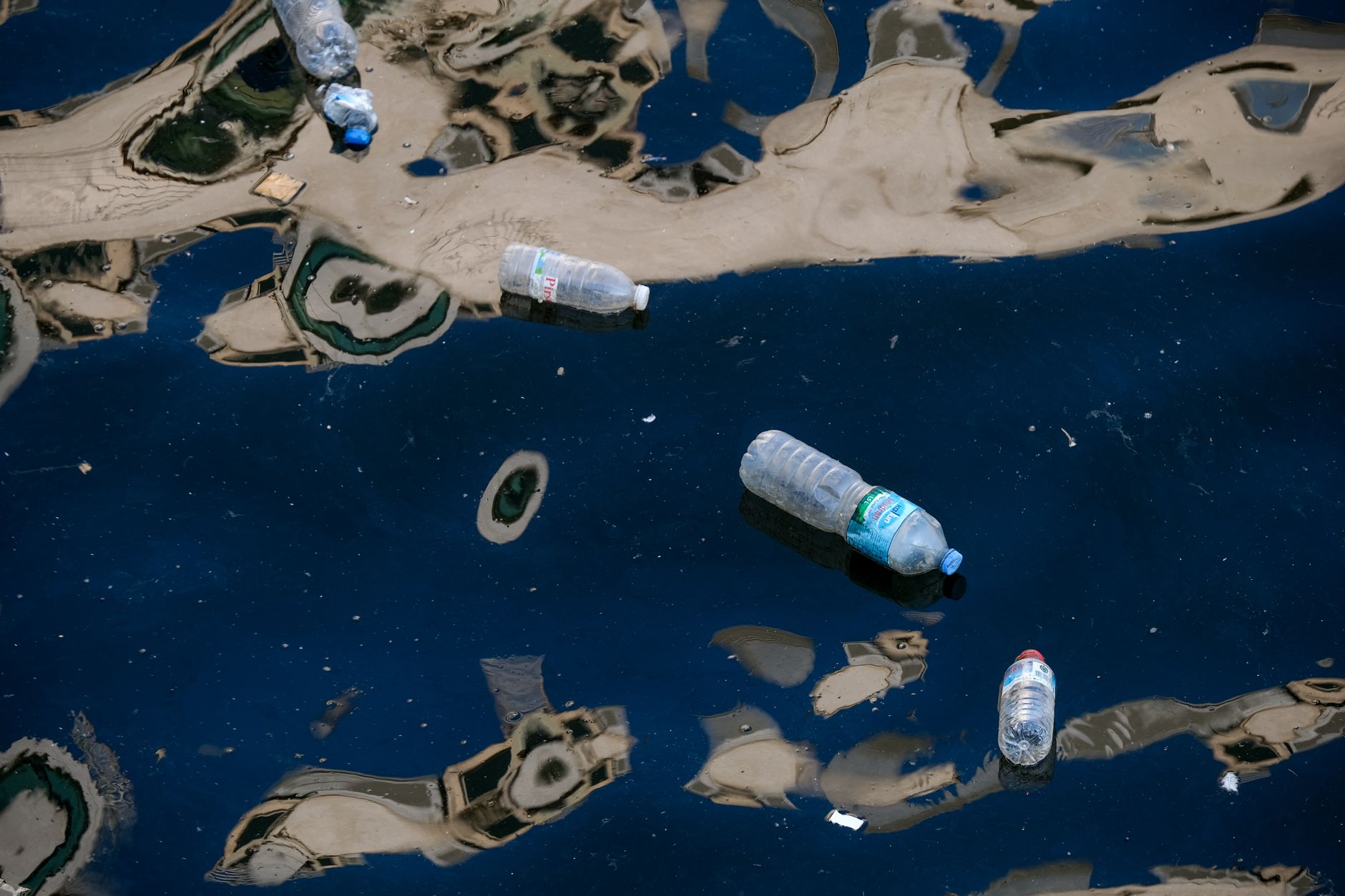
In the bustling streets of Tehran, amid the vibrant hum of daily life, lurks a less visible yet increasingly dire threat: plastic waste. Iran is grappling with a mounting environmental crisis as single-use plastics continue to pollute its landscapes and waterways.
The country's environment chief has sounded the alarm, highlighting the inadequate enforcement of waste management regulations. This shortcoming has allowed plastics to infiltrate natural areas, creating a tapestry of pollution that mirrors a global predicament.
The Ocean's Conveyor Belt
Plastic waste is not a problem confined to Iran, but a global issue with far-reaching consequences. Much of the plastic that ends up in the ocean originates from land, carried by rivers that act as conveyor belts, gathering more waste as they flow towards the sea. Once in the ocean, these plastics often remain in coastal waters, disrupting marine ecosystems and entering the food chain.
In Iran, the challenge is compounded by the lack of effective waste disposal infrastructure. The nation finds itself at a crossroads, needing to balance economic pressures with environmental stewardship. As the waste accumulates, so does the pressure to find sustainable solutions.
Solutions on the Horizon?
Globally, countries are experimenting with various strategies to combat plastic waste. The UK, for instance, has proposed deposit-return schemes and improved access to free-drinking water in cities like London to reduce reliance on single-use plastics. Such measures could offer a blueprint for Iran, providing a model for reducing plastic consumption and enhancing recycling efforts.
However, implementing these solutions in Iran requires more than just policy changes. It demands a shift in public attitudes towards plastic use and a concerted effort from both government and citizens. Education and awareness campaigns could play a pivotal role in reshaping consumer habits and promoting sustainability.
As Iran navigates these challenges, the broader implications of plastic pollution continue to loom large. It serves as a reminder of the interconnectedness of environmental issues and the need for global cooperation in addressing them. The time for action is now, lest the plastic tide become insurmountable.