Iran Seeks Assurances for World Cup Amid Tensions
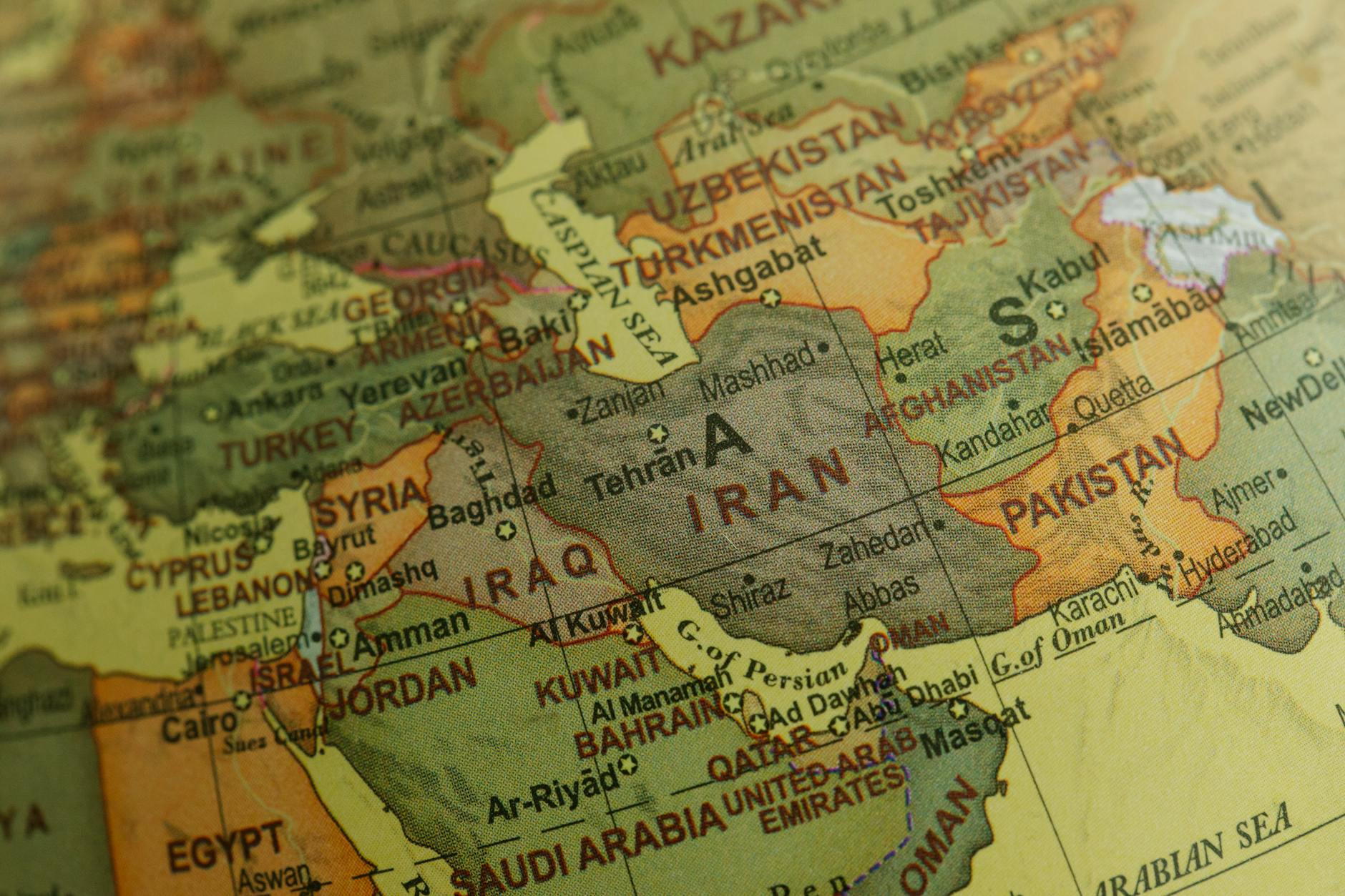
In a move that underscores the intricate relationship between global sports and international diplomacy, Iran has declared its intention to participate in the 2026 FIFA World Cup. However, this participation comes with a caveat: Iran demands a series of guarantees from FIFA and the host nations— the United States, Canada, and Mexico— to ensure the safety and fair treatment of its team and supporters.
The Football Federation of the Islamic Republic of Iran released a statement outlining a ten-point list of assurances it seeks. These include visa guarantees, security measures at matches, and assurances against any form of discrimination. The demands highlight Iran's concerns over potential geopolitical tensions that could affect its players and fans during the tournament.
Geopolitical Concerns and Sports
This ultimatum comes at a time when international relations are particularly fraught. Iran's relationship with the United States, in particular, has been marred by decades of tension, and the inclusion of the U.S. as one of the host nations presents a unique challenge. The Iranian government is wary of any incidents that might arise from this backdrop and is seeking to preempt such issues through its demands.
FIFA, known for its policy of non-interference in the political affairs of its member states, is now faced with the delicate task of balancing these demands with its commitment to inclusivity and fairness in the sport. The organisation has yet to issue a formal response, but the situation underscores the broader role of sports as a platform for diplomatic negotiation.
Implications for the World Cup
The potential ramifications of Iran's demands are significant. Should the host nations agree to Iran's conditions, it could set a precedent for future tournaments where geopolitical considerations play a more prominent role. Conversely, a failure to reach an agreement might lead to Iran withdrawing from the competition, which would not only affect the tournament's dynamics but also raise questions about the inclusivity of global sporting events.
As the world watches, the resolution of this issue will serve as a litmus test for how international sports bodies can navigate the often turbulent waters of global politics.