Iran's Ecological Crisis: A Deepening Economic Blow
As Iran grapples with its worst environmental crisis in decades, the consequences are rippling through the nation’s economy. Once known for its lush landscapes and abundant natural resources, Iran now finds itself in the throes of severe droughts, rampant pollution, and mismanagement of water resources.
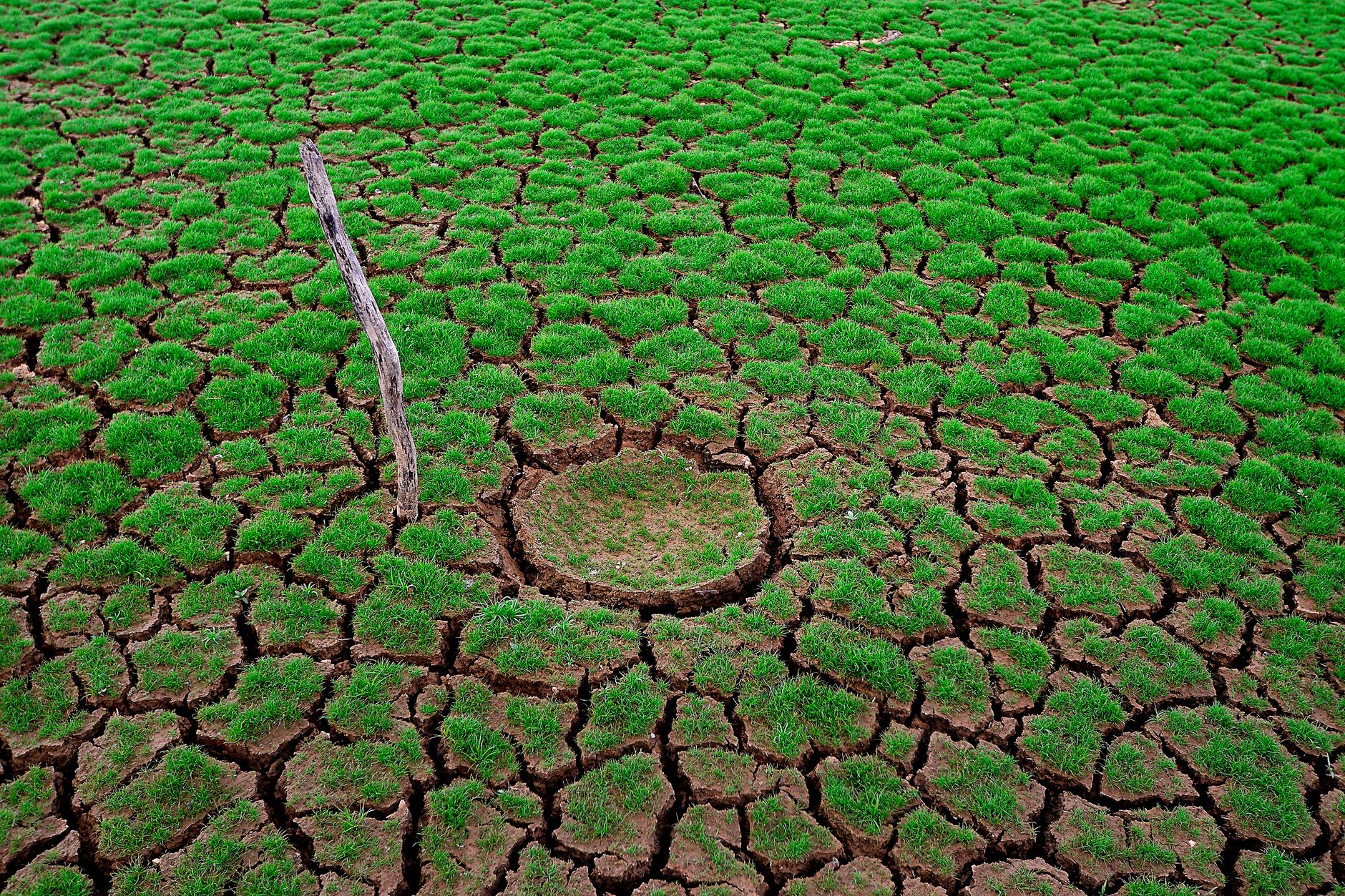
In the heart of this crisis lies the dwindling water supply. Iran’s lakes and rivers are drying up at an alarming rate, leaving agricultural lands barren. Farmers, helpless against the relentless sun, are abandoning their ancestral lands in droves. The once-bountiful harvests of wheat and rice are declining, driving up food prices and compounding the economic distress.
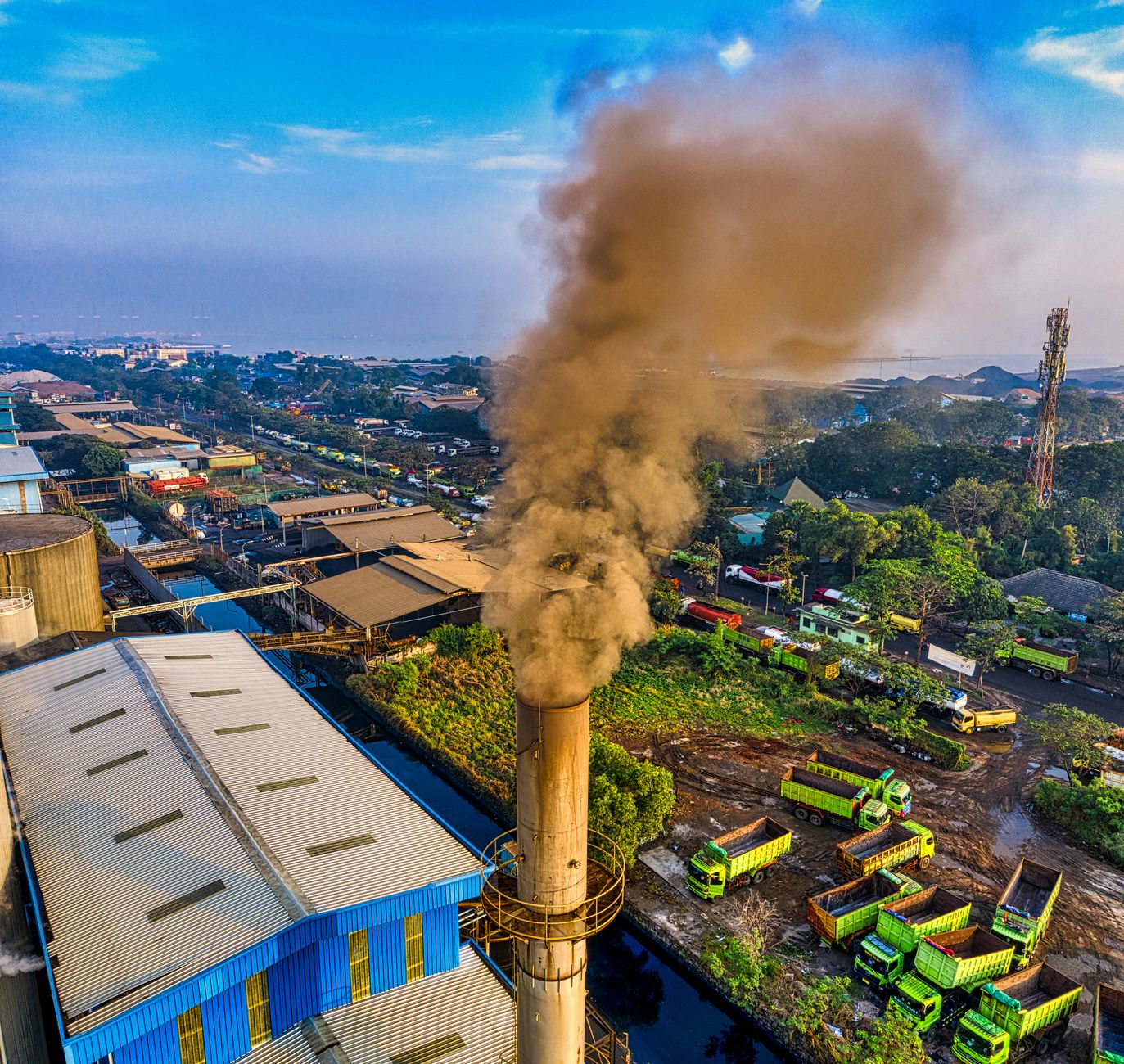
Industrial sectors, too, are not spared. Water-intensive industries such as petrochemicals and mining, pivotal to Iran’s economy, face operational halts. The scarcity of water is not merely an environmental concern; it is a dagger to the heart of economic stability. Factories lie idle, and unemployment rates are climbing.
A Vicious Cycle of Economic Woes
With rising unemployment comes increased inflation. The Iranian Rial is plummeting, and citizens find themselves caught in a cycle of despair. Inflation rates soar as the cost of living skyrockets, leaving the average Iranian struggling to make ends meet.
Government efforts to address these issues have been met with scepticism. Critics argue that years of mismanagement and lack of foresight have led to this crisis. The government’s initiatives to improve water management and invest in sustainable agriculture are seen as too little, too late.
International Implications
Iran's environmental and economic crises have far-reaching implications. As the country struggles, the potential for increased instability in the region grows. Moreover, the international community watches closely, aware that Iran’s woes could have a domino effect, influencing global oil prices and geopolitical dynamics.
Addressing Iran’s environmental catastrophe requires a multifaceted approach. It demands not only immediate relief efforts but also long-term strategies to rebuild and sustain the nation’s ecological and economic health. The eyes of the world are on Iran, waiting to see how it will navigate these turbulent waters.