Iran's Environmental Crisis Deepens Economic Woes
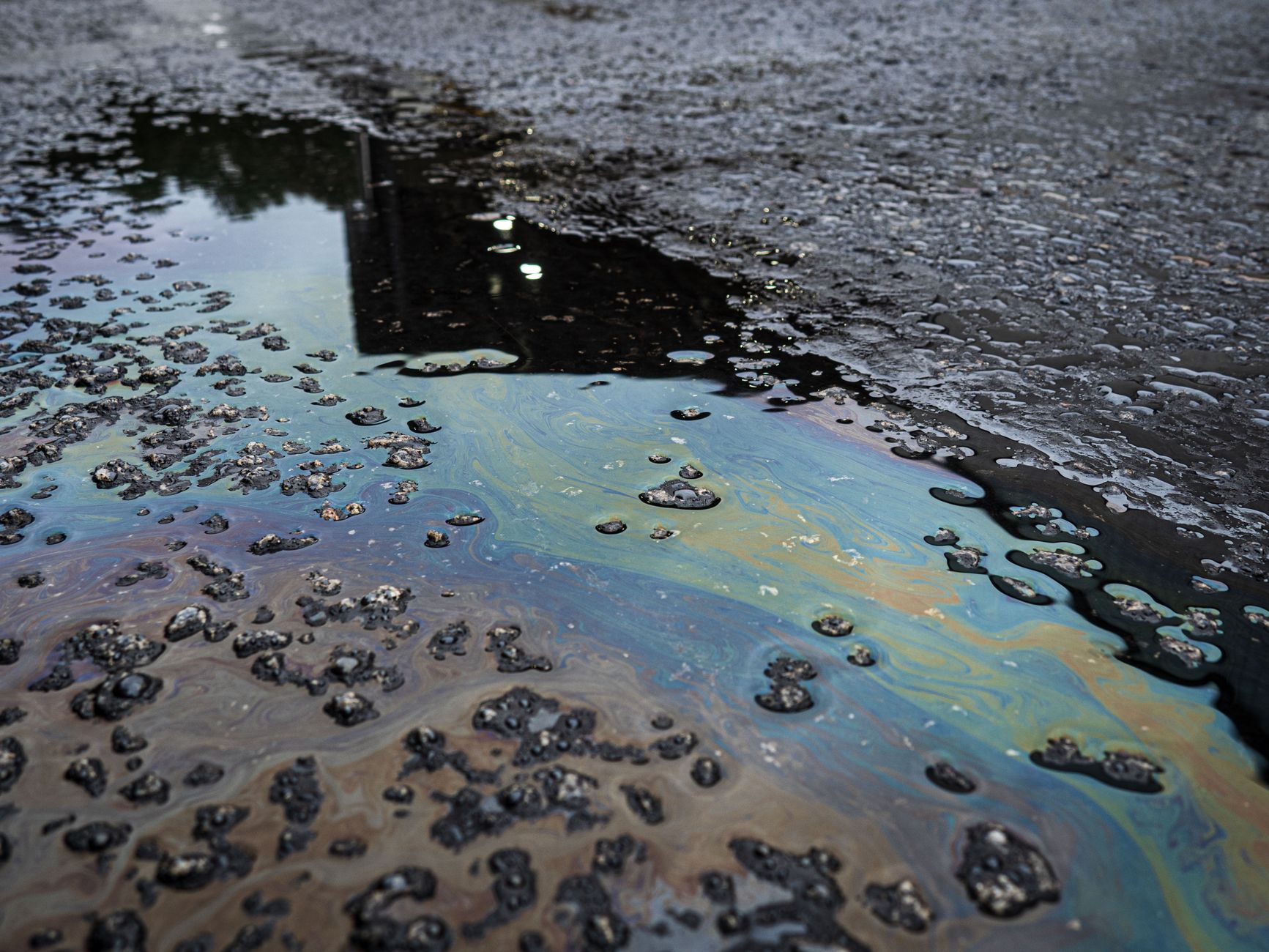
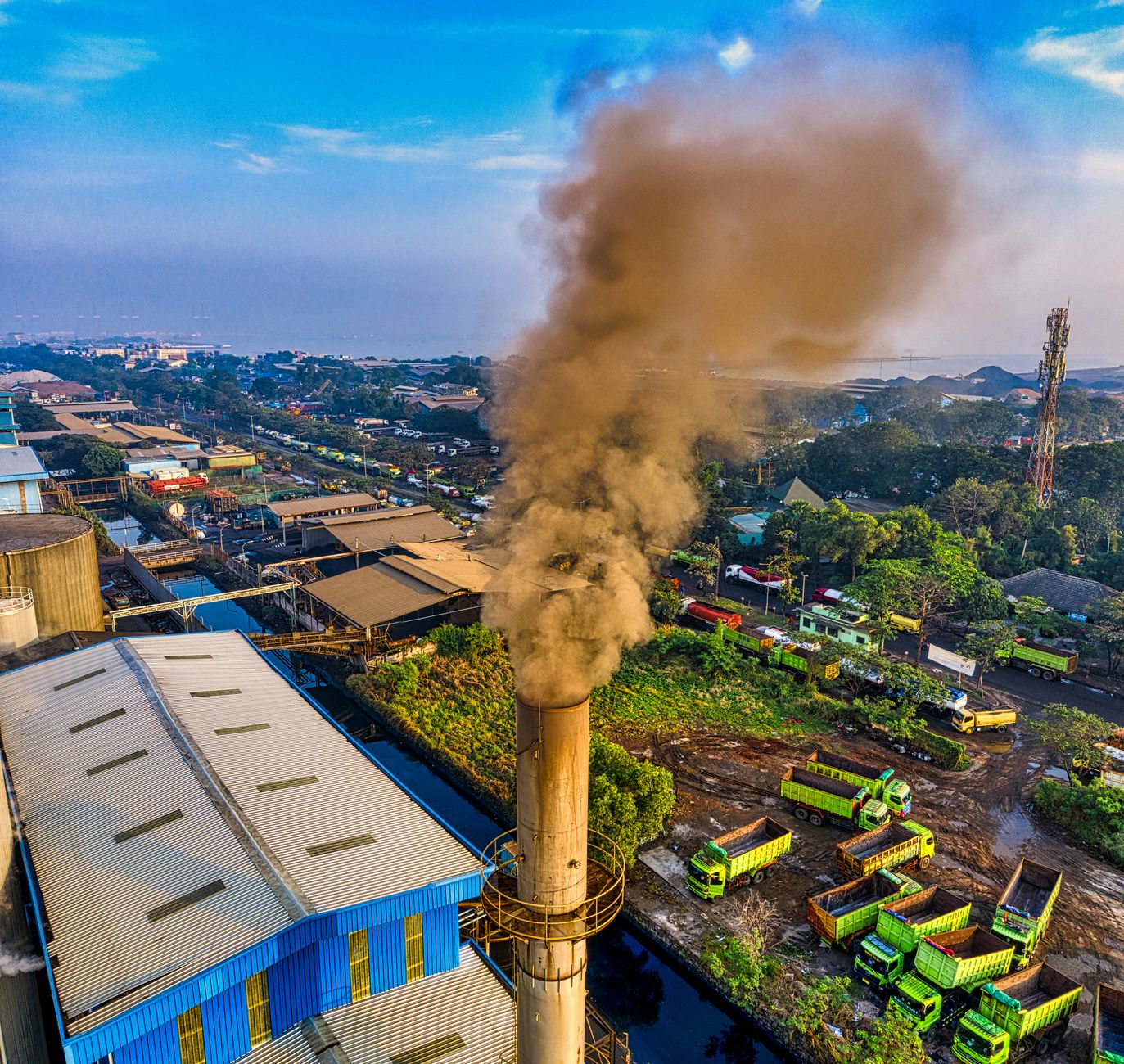
The sky above Tehran is now a grim reminder of Iran's escalating environmental catastrophe. The recent strikes on fuel depots have unleashed a noxious cloud that has enveloped the city, forcing schools to close and hospitals to overflow with patients struggling to breathe. This is more than a mere inconvenience; it is a crisis that has permeated every corner of Iranian society.
The economic implications of this disaster are profound. Iran's already fragile economy, long beleaguered by sanctions and mismanagement, now faces additional strain. The attacks have disrupted oil exports, a critical revenue stream for the country. Stored crude oil, once held back during conflicts, is now being tapped into desperately to mitigate the financial blow.
Yet, it's not just the oil sector in distress. The agricultural heartland, reliant on the once-mighty rivers now greatly diminished, is wilting under the pressure of water shortages. The 370,000 hectares of farmland that depended on these waterways are producing significantly less, threatening food security and livelihoods.
Government's Struggle and Global Concerns
The Iranian government finds itself in a precarious position. Attempts to manage this environmental emergency are hampered by weak governance and a lack of resources. While some funds have been unlocked, they are insufficient to address the scale of the crisis. International organisations have issued stark warnings about the potential collapse of Iran’s environmental governance if current trends continue.
Globally, there is increasing alarm over the dual threats of environmental degradation and economic instability in Iran. The air pollution catastrophe in Tehran is a stark illustration of the broader challenges faced by a nation at the crossroads of climate change and economic hardship.
Looking Ahead
As Iran grapples with these challenges, the long-term outlook remains uncertain. The immediate task is clear: reducing pollutants and stabilising the economy. However, achieving this will require not only internal reform but also international cooperation. How Iran navigates this crisis will have significant implications for its future and the region's stability.