Iron and Steel Emissions Face New Targets as India Tightens Regulations
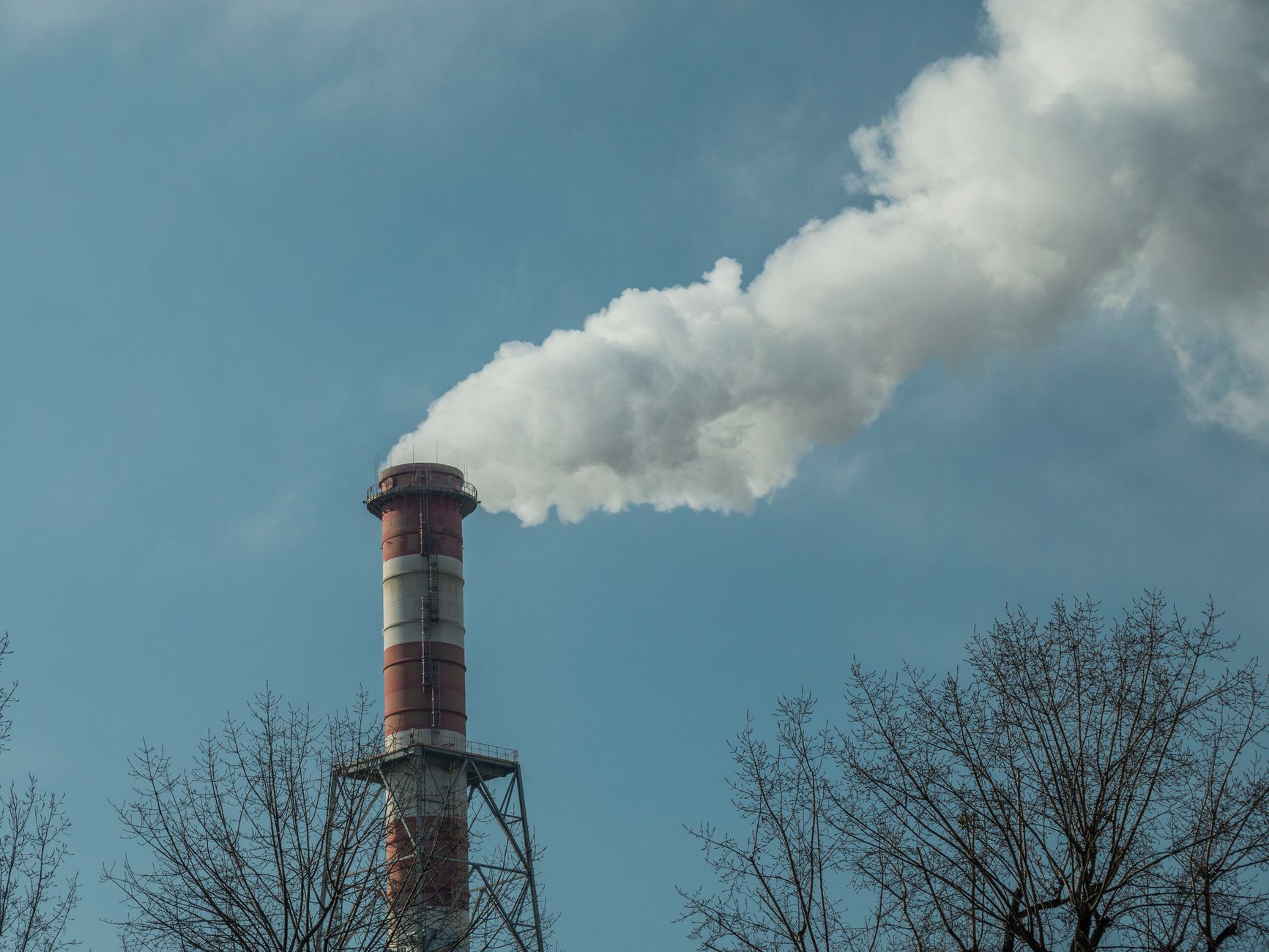
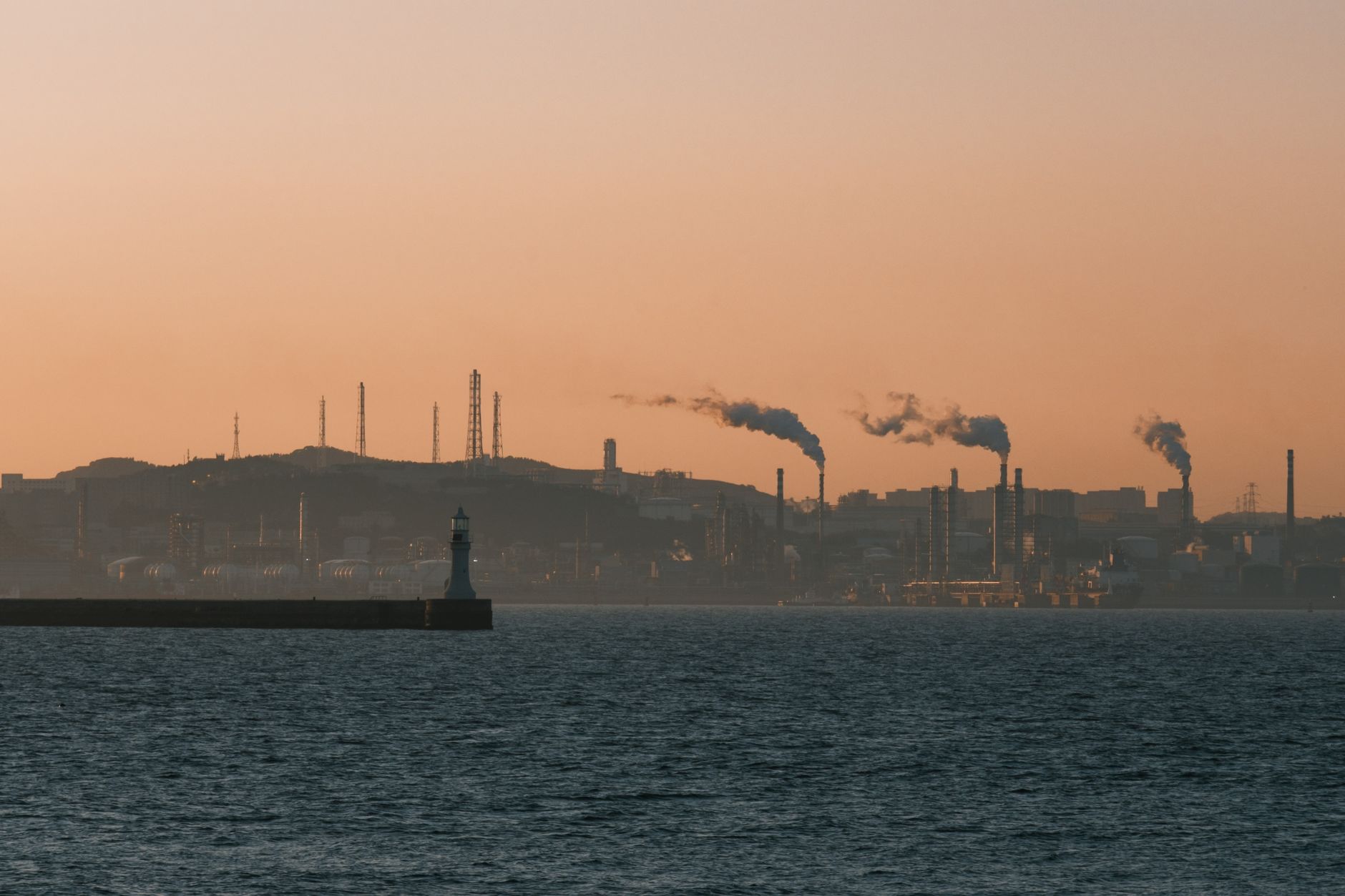
Amidst growing concerns over climate change and industrial emissions, India's Ministry of Environment, Forest and Climate Change has rolled out fresh targets to rein in emissions from the iron and steel sector. The draft notification, which forms part of the Greenhouse Gases Emission Intensity (GEI) Target (Amendment) Rules, 2025, seeks to impose legally binding reductions on this crucial yet polluting industry.
The iron and steel sector is under the spotlight as it contributes approximately 7% to global CO2 emissions. Despite the significant delay in setting these targets compared to other sectors, the ministry has now released a revised proposal with slight modifications, yet notably absent of any detailed justifications for these changes.
A Call for Innovation
As the world's second-largest steel producer, India faces the dual challenge of meeting industrial demand while reducing its carbon footprint. With advanced economies turning to innovative steelmaking pathways like hydrogen utilisation, India too must explore such avenues to keep pace with international expectations and commitments.
Experts, including those from the Australian national science agency, CSIRO, and the Indian Institute of Science, regard these developments as critical in steering the industry towards more sustainable practices. The concept of 'green steel' is no longer a distant dream but a necessary reality for an industry that is both energy-intensive and pivotal to economic growth.
Why the Delay?
The delay in finalising targets for the iron and steel sector contrasts with the earlier notifications for aluminium, cement, chlor-alkali, and pulp and paper industries in January 2026. Some analysts attribute this to the complexities involved in transitioning such a massive sector to greener practices without jeopardising output and employment.
While the new draft may not fully satisfy environmentalists, it marks a decisive step in aligning India's industrial policies with its climate ambitions. The onus now rests on industry leaders to embrace these targets and innovate towards a cleaner future.