Koderma School's Water Woes: Girls Bear the Brunt
In the dusty corridors of Koderma's PM-Shri School, education is being quietly eroded by the most basic of necessities — water. The school, situated in the heart of Jharkhand, is grappling with a chronic water shortage that is having a particularly severe impact on its female students.
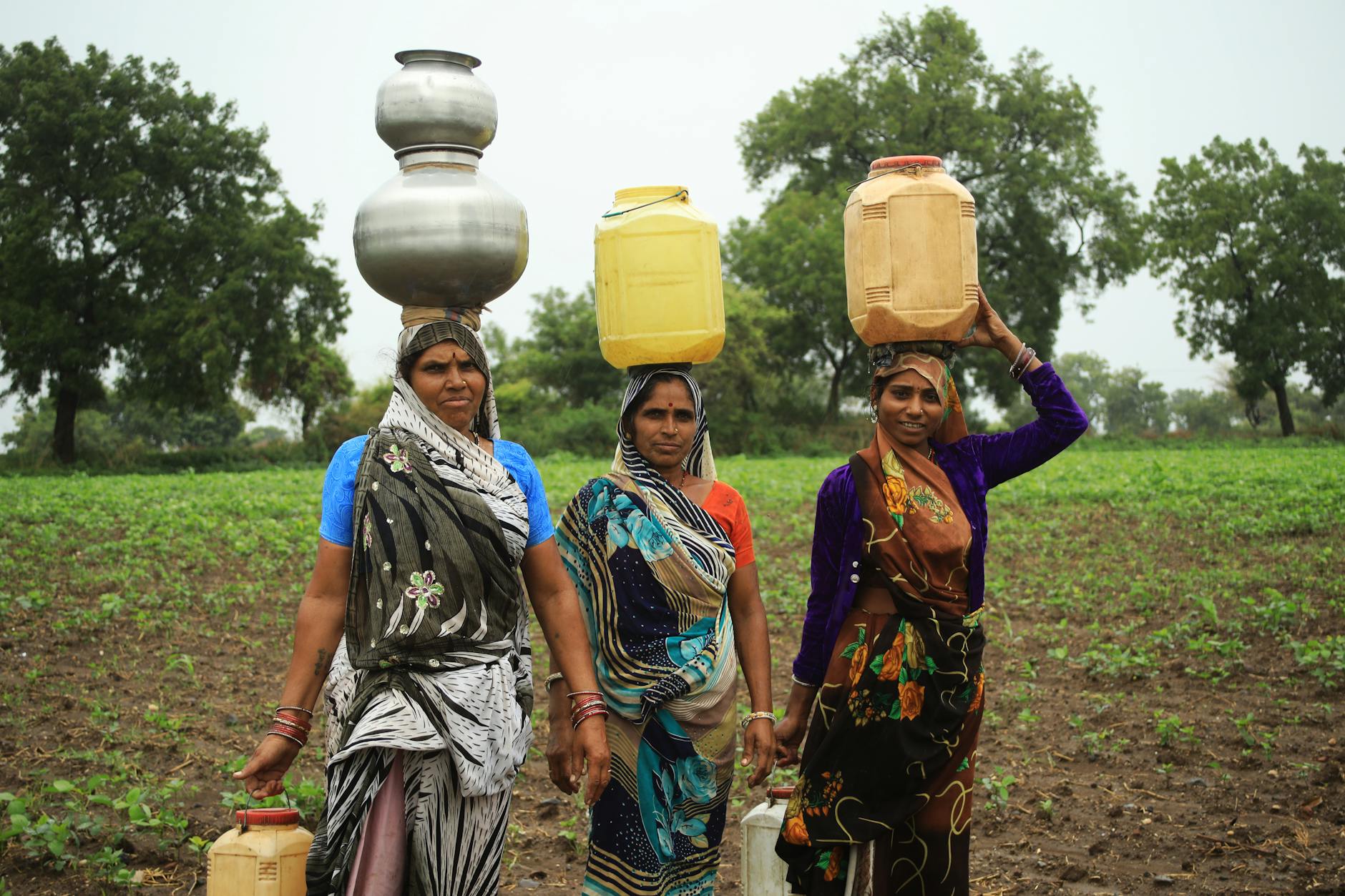
For many of these young girls, the burden of fetching water falls squarely on their shoulders, a task that often keeps them out of the classroom. The absence of a reliable water supply not only affects their attendance but also their ability to concentrate on studies when they do manage to attend lessons.
The Gender Divide
Statistics reveal that girls are disproportionately affected by this crisis. The gender-based digital divide, which became stark during the Covid-19 pandemic, is now mirrored in this water crisis. Where boys may occasionally step in to assist, cultural norms dictate that girls bear the brunt of domestic chores, including water collection.
The impact is profound. Missing school days leads to a widening educational gap, one that has long-term repercussions on their futures. A lack of education limits career opportunities, thereby perpetuating cycles of poverty and gender inequality.
Seeking Solutions
Efforts to address this issue are underway but progress is sluggish. Local authorities have promised interventions, including the installation of a sustainable water system similar to those that have transformed other communities. However, these promises have yet to materialise fully.
World Water Day initiatives highlight the importance of water in promoting equality, and Koderma's plight is a stark reminder of the work still needed. Ensuring access to clean water in schools is not just a matter of convenience; it's a fundamental step towards educational equity.
The situation in Koderma underscores a broader issue: the intersection of basic infrastructure and social progress. As communities and policymakers consider the future, the need for integrated solutions that address both water accessibility and educational disparities becomes ever more pressing.