Kolkata Metro and IIT Madras Forge Path for Future Rail Tech
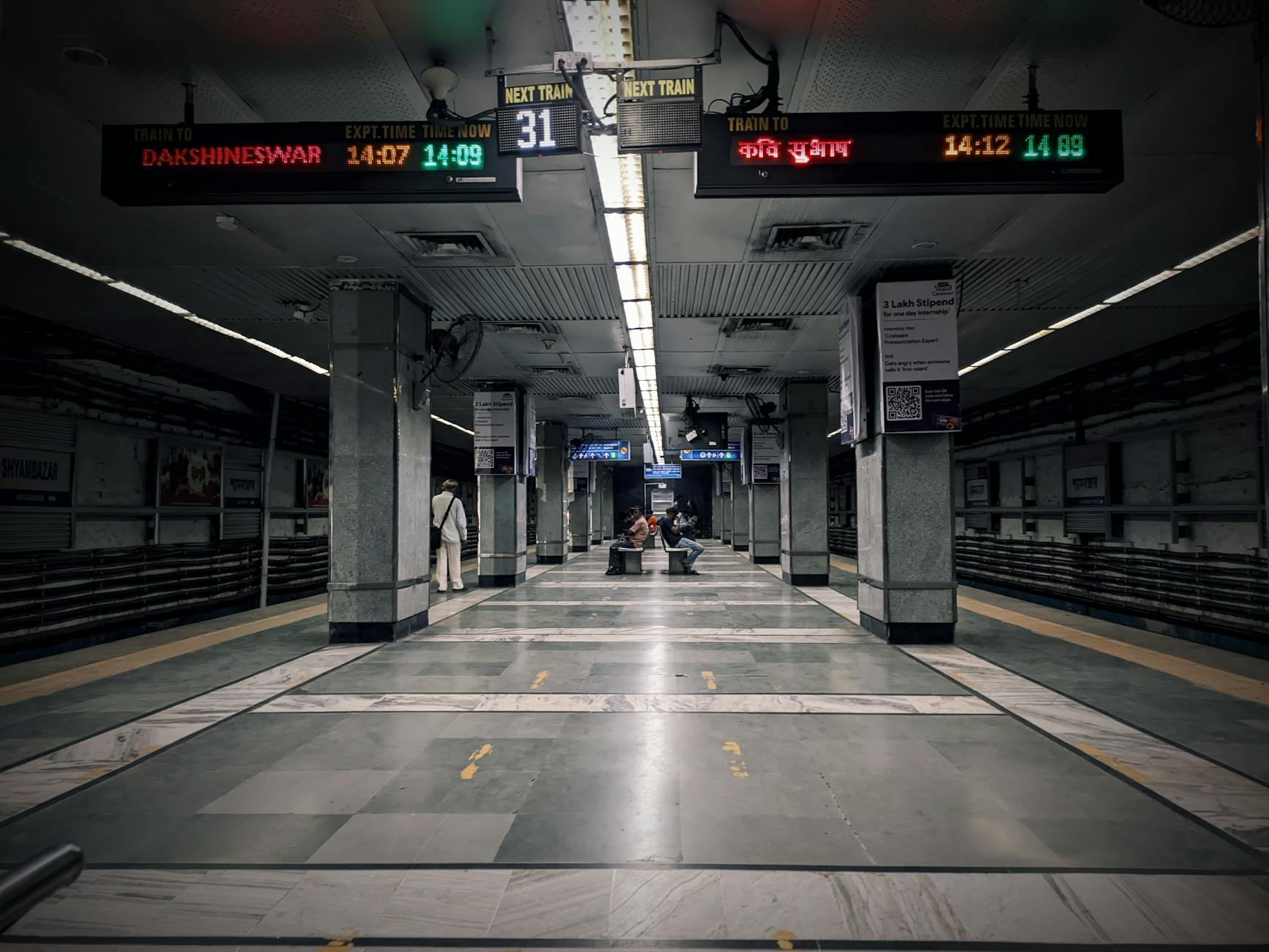
Kolkata Metro has set its sights on the future, partnering with the esteemed Indian Institute of Technology Madras to explore the potential of Linear Induction Motor (LIM) technology for metro rail systems. The agreement, encapsulated in a Memorandum of Understanding (MoU) signed recently, marks a significant step towards integrating cutting-edge propulsion systems into India's urban transport infrastructure.
Linear Induction Motors are not entirely new to the world of transport; they are already used in some high-speed trains and roller coasters. However, their adaptation to metro systems in India could herald a new era of efficiency and environmental sustainability. This partnership aims to develop indigenous technology that could reduce dependence on traditional propulsion methods, which are often less efficient and more polluting.
Innovation at the Core
The collaboration between Kolkata Metro and IIT Madras is more than just a research agreement. It is a bold statement about India's technological ambitions. By focusing on LIM technology, the initiative seeks to assess technical feasibility, operational performance, and lifecycle management through rigorous research and experimentation.
The MoU outlines plans for a pilot project to test these systems in a real-world setting, offering invaluable data and insights. If successful, Kolkata could become a model for other Indian cities looking to upgrade their metro systems. This could also pave the way for future developments in metro technology globally, positioning India as a leader in innovative rail solutions.
Implications for Urban Mobility
For commuters in Kolkata and potentially other Indian cities, this technological leap could translate to faster, quieter, and more reliable metro services. As urban populations swell and the demand for efficient public transport grows, such advancements are not just desirable—they are essential.
Beyond the immediate benefits to commuters, the research and development efforts could have broader economic and environmental implications. By fostering home-grown technology, India could reduce its reliance on foreign technology imports, potentially saving substantial costs. Environmentally, LIM systems promise a significant reduction in carbon emissions, aligning with global efforts to combat climate change.
As this partnership unfolds, the world will be watching. Not only could it redefine the dynamics of urban transport in India, but it might also set a precedent for other nations grappling with similar challenges. While the results of this collaboration remain to be seen, the groundwork laid by Kolkata Metro and IIT Madras is undoubtedly a step in the right direction.