Kolkata Metro Partners with IIT Madras to Pioneer Homegrown Rail Technology
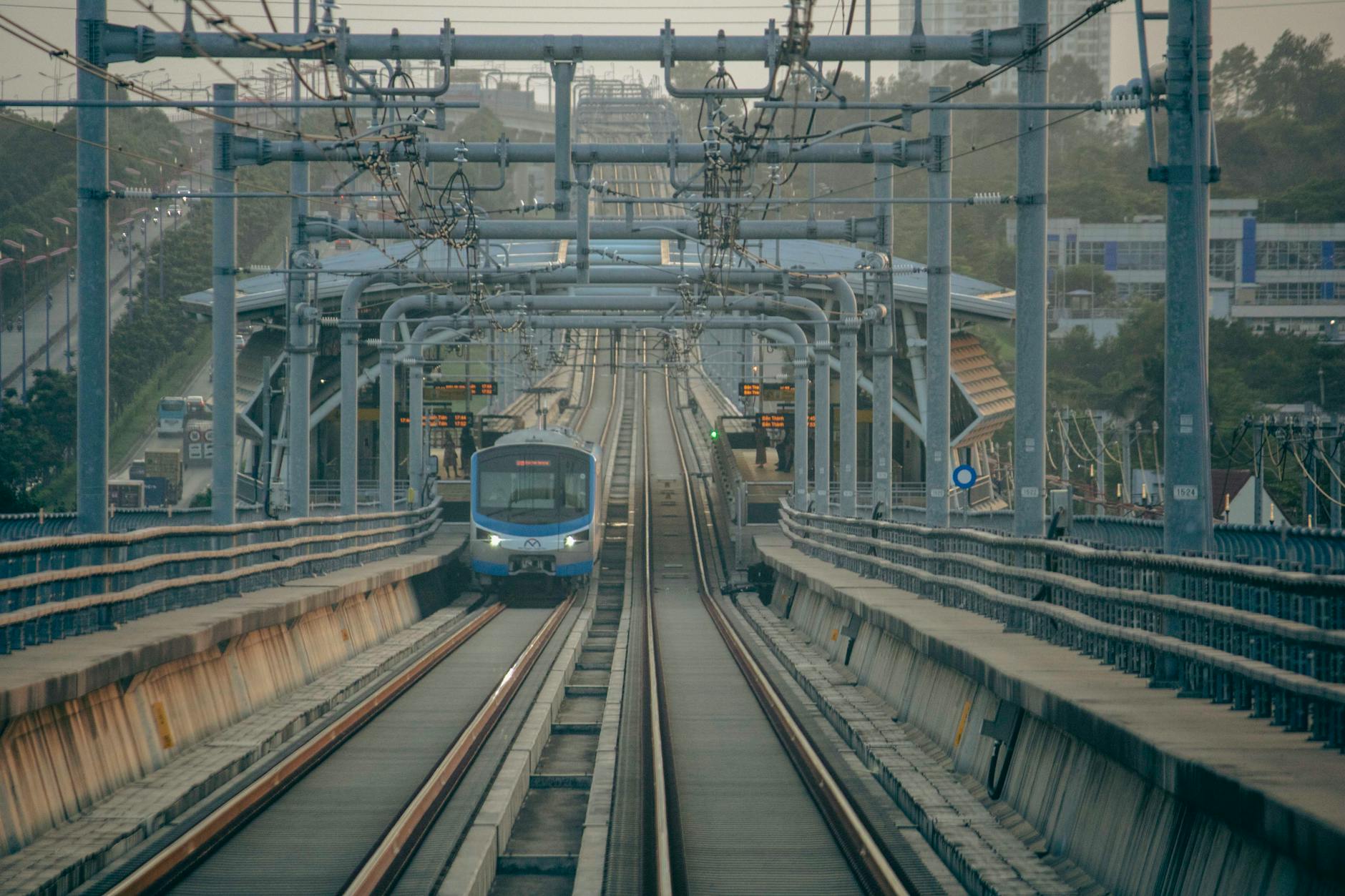
In a move that could reshape the future of urban transport in India, Metro Railway Kolkata has inked a strategic partnership with the Indian Institute of Technology Madras. Announced earlier today, the collaboration focuses on developing Linear Induction Motor (LIM)-based propulsion systems, a technology that promises to revolutionise metro rail operations across the nation.
The Memorandum of Understanding (MoU), signed at IIT Madras, sets the stage for a series of research and development initiatives aimed at assessing the technical feasibility and operational performance of LIM technology. This comes at a time when the demand for sustainable and efficient urban transport solutions is more pressing than ever.
Propelling Towards Self-Reliance
India’s metro networks have long relied on foreign technology and expertise. This partnership seeks to change that narrative by fostering homegrown innovations. By harnessing the intellectual prowess of IIT Madras, renowned for its cutting-edge research, and the practical insights of Metro Railway Kolkata, the initiative aims to lay the groundwork for future metro developments that are both indigenous and state-of-the-art.
The proposed LIM technology, known for its energy efficiency and reduced maintenance costs, could serve as a pivotal component in India’s quest for self-reliance in infrastructure development. A pilot project is on the cards to validate the technology under real-world conditions, potentially setting new benchmarks for metro operations.
Broader Implications and Future Prospects
While the immediate focus is on technological innovation, the implications of this partnership extend far beyond. It represents a broader strategic shift towards reducing dependence on foreign technology, aligning with the government's vision of 'Atmanirbhar Bharat' or self-reliant India.
Moreover, successful implementation could open new avenues for export of indigenous metro technology, placing India as a formidable player in the global urban transport market. As cities worldwide grapple with the challenges of urbanisation, India's homegrown solutions could offer a viable model for sustainable development.
This initiative not only highlights the potential for academic and industrial synergy but also underscores the importance of innovative thinking in addressing urban mobility challenges. As the project unfolds, all eyes will be on Kolkata and Chennai, where the future of India’s metro technology is being meticulously crafted.