Lee White's Call for Urgent Action on Africa's Conservation Crisis
As the Africa Forward Summit concluded in Nairobi, a resonant call echoed through its halls. Lee White, Gabon's erstwhile environment minister, took the stage with a message that was both urgent and sobering. He spoke of 'carbon cowboys'—opportunists profiting from Africa's natural resources without genuine commitment to conservation. More worryingly, he highlighted the perennial issue of unpaid pledges from the international community, promises made but rarely fulfilled.
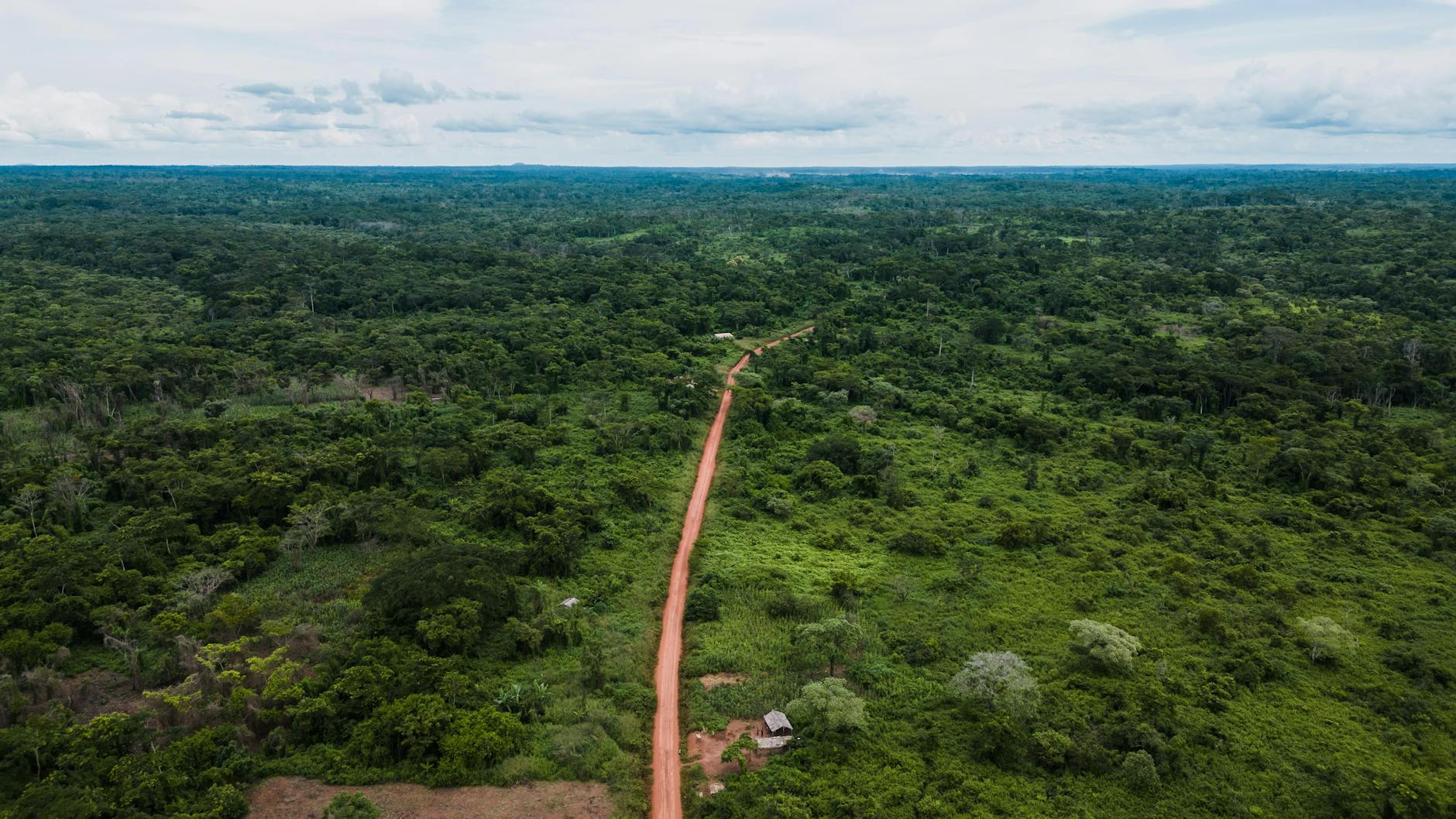
With the Congo Basin at the heart of his plea, White urged African leaders to view it as 'critical national infrastructure'. This is no mere stretch of rainforest, he argued, but a linchpin for the continent's water and climate security. In an era where environmental concerns are often overshadowed by the pursuit of economic growth, his call was a reminder of the delicate balance that Africa must strike.
The summit, attended by political and civil society leaders from across the globe, was a platform for discussing sustainable development. Yet, White's words cut through the diplomatic rhetoric, pointing to the tangible, existential threats that Africa faces. 'We cannot afford to continue treating our natural resources as an afterthought,' he insisted, his voice carrying the weight of his experience.
The Challenge of Carbon Markets
White's metaphor of 'carbon cowboys' draws attention to a burgeoning industry that, while potentially beneficial, often lacks regulation and accountability. Carbon markets are designed to incentivise reductions in greenhouse gas emissions, yet without stringent oversight, they risk becoming another tool for exploitation. This, White warned, could lead to further disenfranchisement of local communities, who are frequently sidelined in these discussions.
Moreover, the issue of unpaid pledges looms large. International commitments to fund conservation efforts have frequently been made, yet the follow-through remains sporadic at best. For nations like Gabon, which have taken significant strides in environmental protection, the lack of support is not just disappointing, but debilitating. White's call to action is not merely about holding the global community accountable; it's about recognising that Africa's ecological health is intertwined with its socio-economic future.
A Call for Collaborative Efforts
In closing, White emphasised the necessity of collaboration. African nations, he suggested, should not only rely on international aid but also foster intra-continental partnerships. By leveraging shared resources and knowledge, Africa can forge a path that respects both its developmental aspirations and its ecological responsibilities.
As the summit's attendees dispersed, the echo of White's words lingered—a clarion call for action amidst the complex dance of progress and preservation. Whether Africa heeds this call could well determine its fate in the years to come.