Legal Education Revolution: Hindi and Regional Languages Take Centre Stage
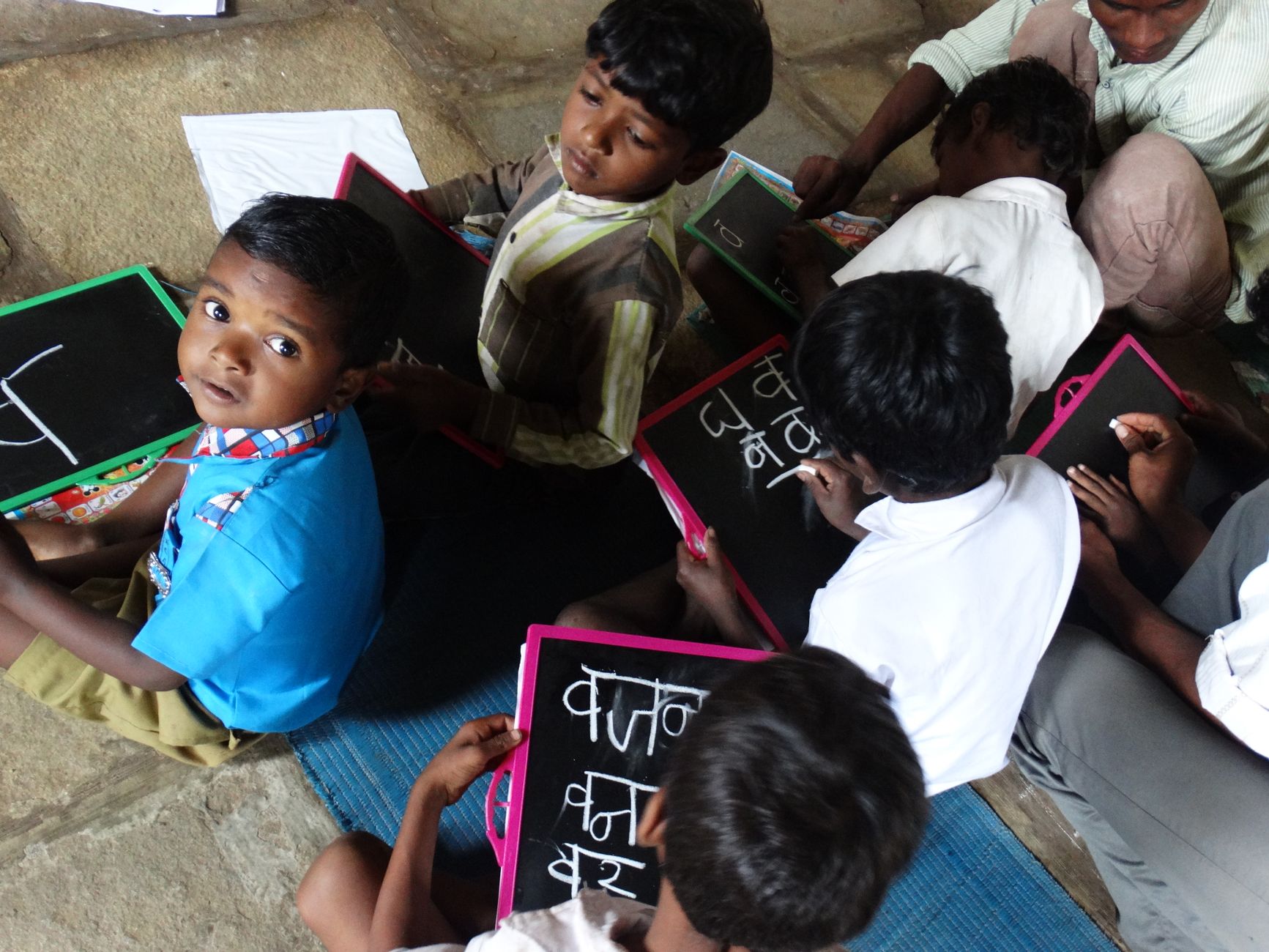
In a landmark initiative set to transform the landscape of legal education in India, the Bar Council of India (BCI) and the Centre have embarked on a ten-year plan to incorporate Hindi and other regional languages into legal studies. This move, announced at a recent national conference, aims to make legal education more accessible and inclusive across the nation.
The conference, aptly titled “Strengthening Legal Education through Integration of Regional Languages”, witnessed participation from senior government officials, judiciary representatives, legal academicians, and vice-chancellors from leading law institutions. The consensus was clear: linguistic diversity should no longer be a barrier to legal knowledge and access to justice.
The initiative is not merely about translation. It involves a comprehensive curriculum redesign to ensure that legal education in regional languages is on par with that in English. While English will remain an important link language, the emphasis is on empowering students who are more comfortable with their native tongues.
A Step Towards Inclusive Education
The growing recognition of the importance of regional languages in education reflects a broader social and political shift. For years, English has dominated legal education, often alienating those from non-English speaking backgrounds. By embracing linguistic diversity, the BCI and the Centre are acknowledging the rich tapestry of India's cultural heritage.
Moreover, this initiative aligns with the New Education Policy, which emphasises mother tongue instruction. By integrating regional languages into legal education, the programme seeks to produce lawyers who can operate effectively in local contexts, thus broadening the scope of legal practice.
Technological Integration and Future Prospects
Technology will play a crucial role in this transition. Digital platforms and resources will be developed to support the teaching of law in multiple languages. Online courses, digital libraries, and interactive modules will be integral to the curriculum, providing students with the tools they need to succeed.
The potential impact of this initiative cannot be understated. It promises to democratise legal education and, by extension, access to justice. With more individuals able to study law in their native language, the legal profession could see a diversification of voices and perspectives, ultimately enriching the field.
As the ten-year plan unfolds, the BCI and the Centre will need to address challenges such as curriculum standardisation and resource allocation. However, the foundation has been laid for a more inclusive and representative legal educational system. This initiative marks a pivotal moment in India's educational journey, one that could inspire similar transformations across other disciplines.