Li Xueke's Departure: A Climate Scientist's Shift to Hong Kong
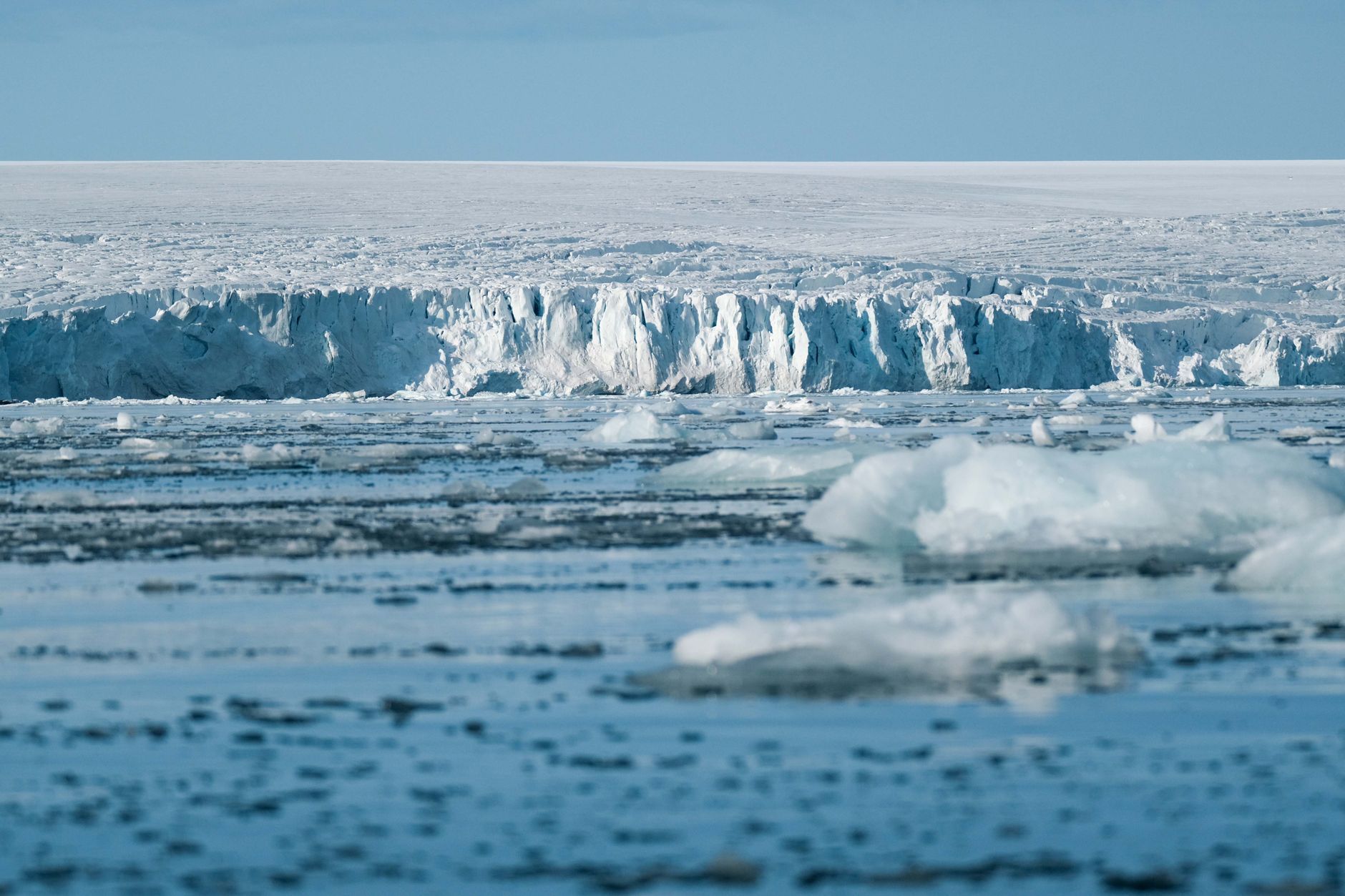
In a move that underscores shifting tides in global research dynamics, renowned Arctic climate scientist Li Xueke has left the University of Pennsylvania, decrying what he described as an 'unhealthy environment' for scientific inquiry in the United States. His departure to Hong Kong marks a significant pivot not only in his career but also in the broader narrative of climate research.
Li, who has been at the forefront of studying the rapidly changing Arctic, expressed concerns over diminishing federal support for climate science under the Trump administration. The US government's retreat from climate commitments and the dismantling of funding structures have pushed many researchers, like Li, to seek fertile ground elsewhere.
Hong Kong, with its strategic position in the burgeoning Asian green economy, offers Li new opportunities. As the Arctic transforms due to climate change, becoming a viable route for international shipping, Li's work on these emerging pathways is crucial. His research could influence economic strategies and international policies as nations grapple with the realities of a warming globe.
Asia's Rising Influence
Li's move is part of a broader trend where scholars are increasingly looking towards Asia for collaboration and funding. Nations such as China and Singapore have been investing heavily in scientific research, particularly in areas that align with global sustainability goals. The shift of expertise to Asia not only underscores the region's growing influence but also highlights the changing epicentres of knowledge production.
While Li's departure is a blow to American academia, it is a gain for Hong Kong, which continues to position itself as a hub for international research. The city's commitment to fostering an environment conducive to scientific exploration stands in stark contrast to the uncertain climate for researchers in the US.
In leaving the US, Li Xueke is not just relocating; he is making a statement about the direction of global climate research. As Asia rises as a powerhouse of innovation and inquiry, researchers like Li are at the vanguard of this transformation, paving the way for a new era in environmental science.