Linking Human Activity to Extreme Weather: The Science Unveiled
In the quiet confines of a laboratory, scientists are reshaping our understanding of the relationship between human activity and extreme weather. As the earth's temperature continues its inexorable climb—already 1.3°C above pre-industrial levels—new research known as 'attribution studies' is emerging as a critical tool in climate science.
Attribution studies are not just about assigning blame; they aim to quantify the extent to which human-induced climate change affects specific weather events. Through a combination of computer models and observational data, these studies dissect the past to predict the future. By examining historical records, scientists can determine whether the frequency and intensity of recent storms, floods, or heatwaves are consistent with natural variability or if they bear the hallmark of anthropogenic interference.
Until recently, the notion of linking individual weather events directly to climate change was met with scepticism. Many scientists were cautious, often citing a lack of concrete evidence to connect the dots definitively. However, advancements in climate modelling have turned the tide. Studies now suggest that human activity not only exacerbates certain extreme weather events but also makes them more likely to occur in the first place.
Localised Impact Assessments
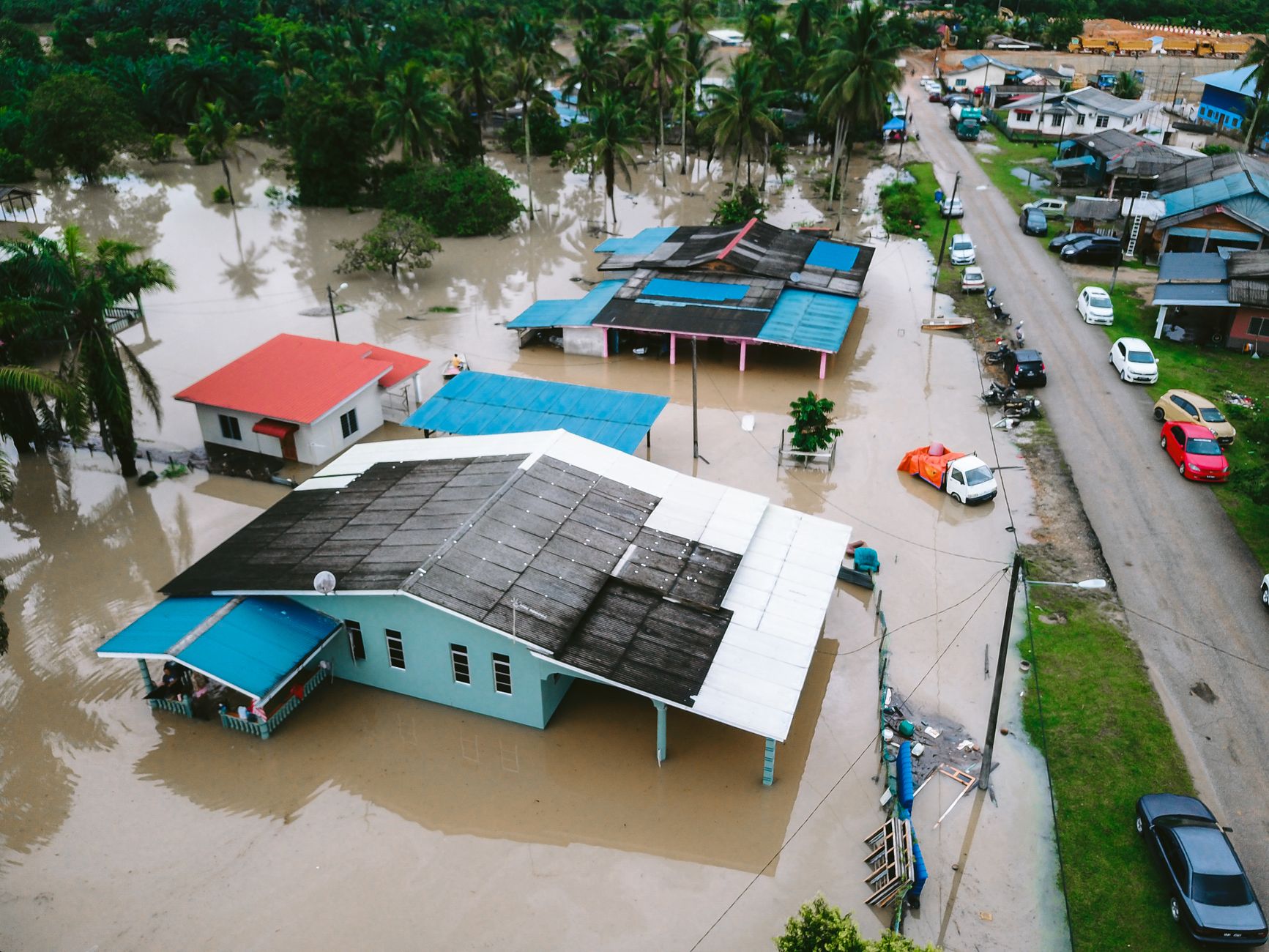
The United Kingdom and the United States have been focal points for this burgeoning field. Recent research in these countries has shown how global warming influences weather patterns on a local scale. For instance, the severe flooding in the UK in recent years has been linked to climate change, with warmer temperatures increasing the atmosphere's capacity to hold moisture, leading to heavier rainfall.
Similarly, the frequency and ferocity of wildfires in states like California have been attributed to prolonged drought conditions exacerbated by rising temperatures. These localised studies not only highlight the immediate risks posed by climate change but also urge policymakers to consider these findings in their environmental strategies.
Implications for the Future
The implications of these studies are profound. As we continue to emit greenhouse gases, the likelihood of extreme weather events will only increase, unless significant measures are taken to reduce our carbon footprint. The science is clear: the more we understand the link between human activity and extreme weather, the better equipped we are to mitigate its effects.
For the ordinary citizen, this means a shift in perception—from seeing extreme weather as isolated incidents to recognising them as part of a broader, human-induced pattern. As attribution studies continue to evolve, they offer not just a warning, but a roadmap to resilience.