Maharashtra Minister Vows Action Against Environmental Harm in Hill Stations
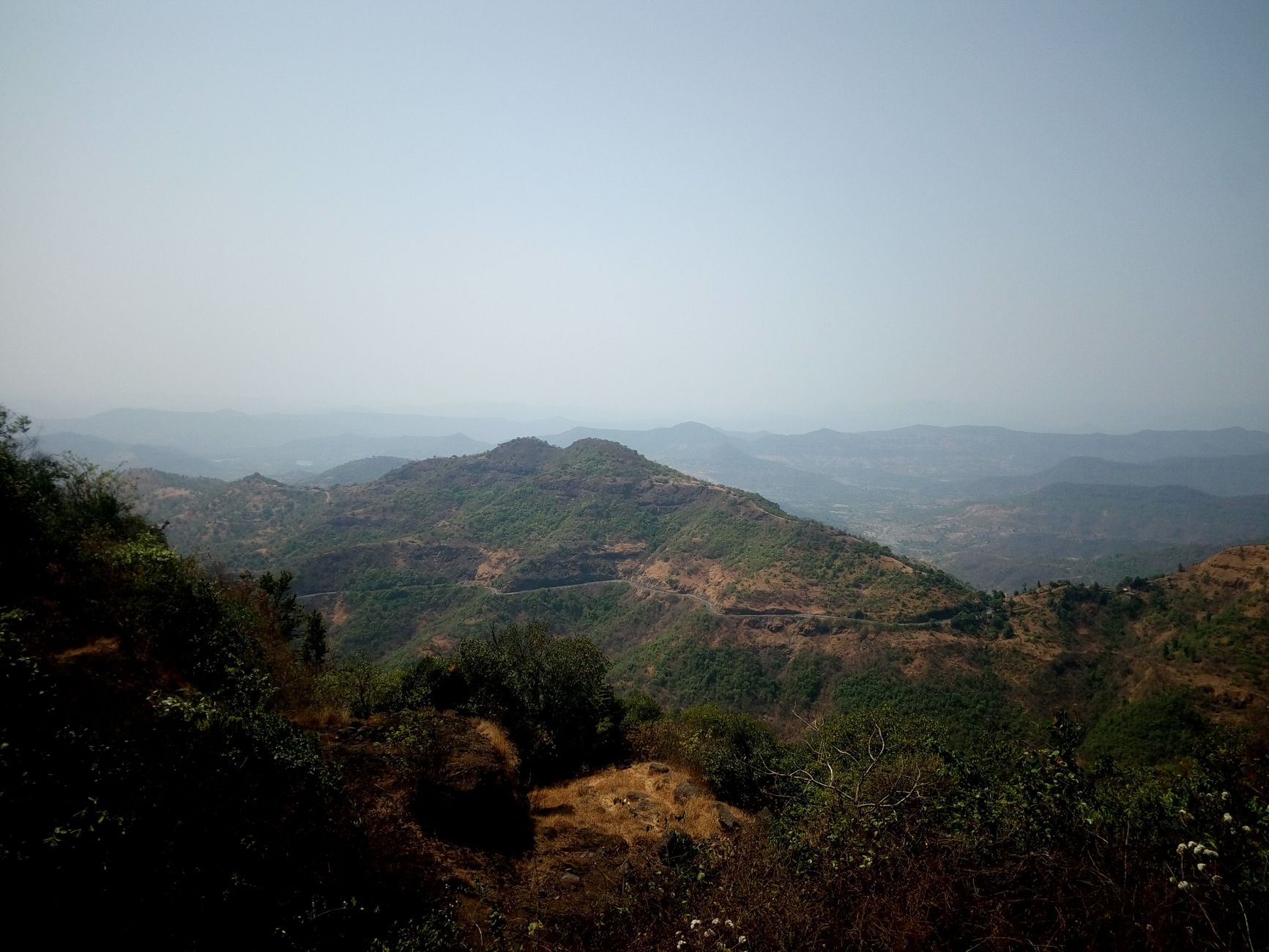
Maharashtra's Revenue Minister, Chandrashekhar Bawankule, has issued a stern warning to those causing ecological harm in the revered hill stations of Mahabaleshwar and Matheran. The minister's statement comes as a response to growing concerns over environmental degradation driven by unchecked tourism activities, particularly the extensive use of horses for transport in these scenic locales.
The lush landscapes of Mahabaleshwar and Matheran, known for their idyllic beauty and cool climate, are under threat from soil erosion, water pollution, and air quality deterioration. A recent report by an expert committee has laid bare the extent of the damage, attributing significant environmental stress to horse movement, which has been a staple of tourist transport but now poses severe ecological risks.
The committee's interim findings suggest that the equine activities contribute to soil degradation, particularly during the monsoon season, when faecal contamination and Salmonella presence in the soil are at their peak. Such conditions not only threaten the local ecosystem but also pose public health risks.
Ministerial Response
In light of these findings, Minister Bawankule has vowed to implement corrective measures, including stricter regulations on horse numbers and the introduction of sustainable tourism practices. The minister highlighted the necessity of balancing economic interests with environmental stewardship, a challenge that has long plagued policymakers in the region.
"We must preserve the natural beauty of Mahabaleshwar and Matheran for future generations," said Bawankule, emphasising that immediate and decisive action would be taken against those flouting environmental norms. The move is part of a broader initiative to safeguard Maharashtra's natural heritage while supporting local economies dependent on tourism.
Looking Ahead
The government's commitment to tackling these issues reflects a growing recognition of the need for sustainable tourism models that prioritise ecological integrity. Experts have called for a comprehensive approach that includes reducing reliance on horse transport, enhancing waste management systems, and developing alternative tourist attractions that minimise environmental impact.
As the state navigates these challenges, the eyes of conservationists and local communities alike will be on the implementation of these promised reforms. The success of such initiatives could serve as a model for other regions grappling with similar issues, reinforcing the idea that economic growth and environmental conservation can, and must, go hand in hand.