Maharashtra's Tribal Children Plea for Extended Education
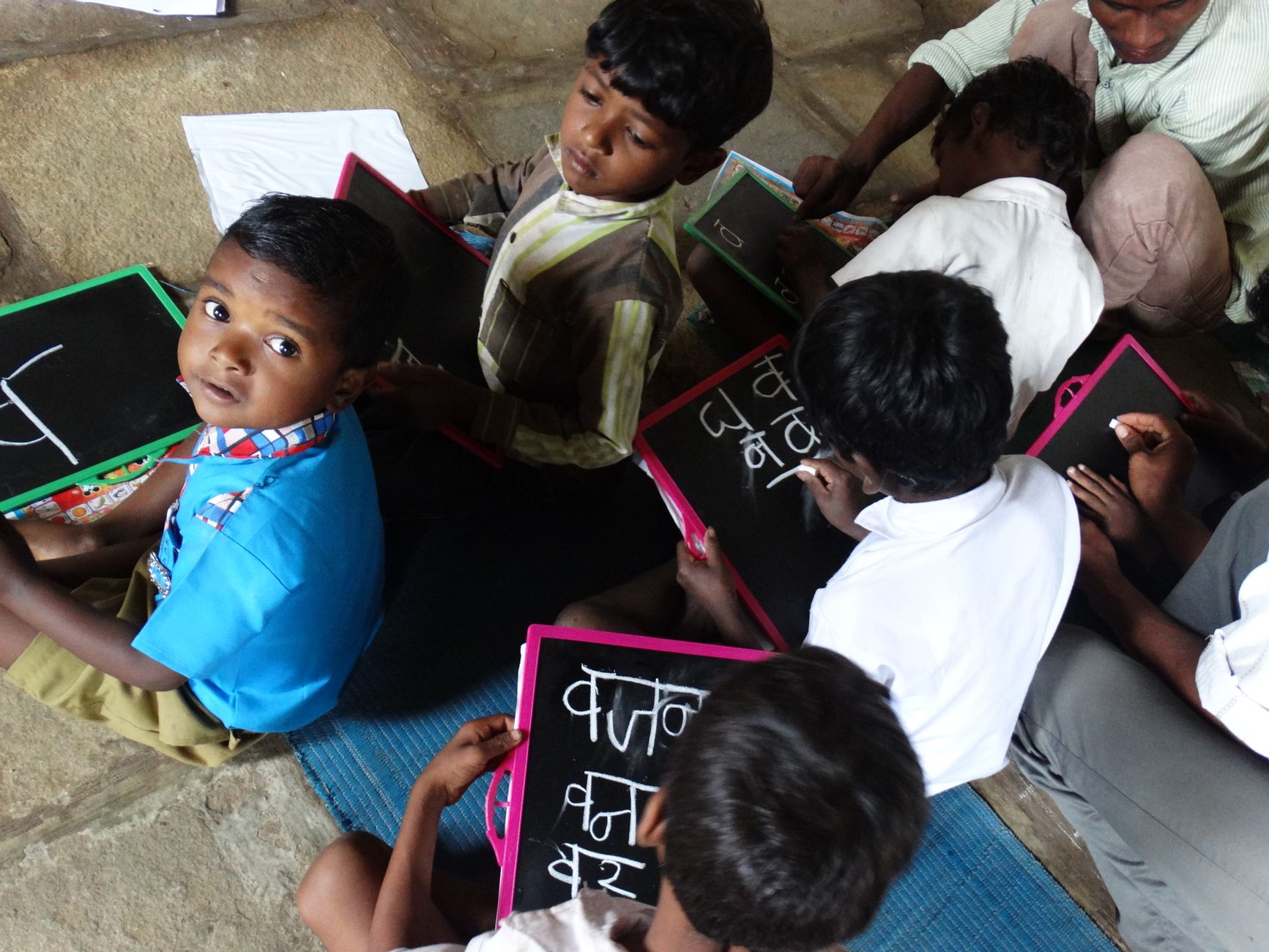
In a poignant gesture, thousands of tribal children across Maharashtra have reached out to the state's Chief Minister, Devendra Fadnavis, not through the digital prowess of emails or social media, but via the old-fashioned charm of handwritten postcards. Their message is clear and earnest: provide free and compulsory education to all children up to the age of 18.
The initiative, which spans four districts, is a testament to the dire educational needs faced by these communities. For many tribal children, the opportunity to pursue education beyond the basics is hindered by inadequate infrastructure and financial constraints. The symbolic act of sending postcards underscores a sense of urgency and hope that the state will take heed of their plight.
Education: A Pathway to Empowerment
Education holds the key to breaking the cycle of poverty that grips many tribal communities. Yet, the reality for children like Aarti, a student from one of Maharashtra's tribal schools, is often starkly different. Basic amenities such as proper classrooms, learning materials, and trained teachers are luxuries rather than norms. The children’s campaign, therefore, is not just a plea for policy change but a call for justice and equality.
Founded by education activist Sambit Kumar Das, initiatives like Ek Asha aim to fill the gap by making education more accessible and relevant. However, without state support, such efforts can only achieve so much. The postcards, thus, are a symbol of the children’s yearning for a brighter future and the hope that their voices will be heard.
Will the Government Respond?
The move to extend free education until the age of 18 would align Maharashtra with global educational standards. It would ensure that children, particularly those from underprivileged backgrounds, are not left behind in a rapidly advancing world. As these postcards make their way to the Chief Minister's desk, the question remains: will the government rise to the occasion and commit to the educational welfare of its tribal populace?
In the face of such a heartfelt appeal, the ball is now in the government’s court. The children of Maharashtra have spoken, their message inked in hope and perseverance. It is a call not just for attention but for action, a reminder that education is a right, not a privilege.