Majestic Lion Undergoes Groundbreaking Double Cataract Surgery
In a remarkable milestone for veterinary medicine, a lion has successfully undergone a double cataract surgery, an operation rarely seen in the animal kingdom but quite familiar in human healthcare. The procedure, lasting less than three hours, was carried out by a team of expert veterinarians who deftly navigated the complexities of the lion's ocular anatomy.
While cataract surgery is commonplace among humans, its adaptation to treat animals of such grandeur is a testament to the strides made in veterinary science. The surgery involved removing the clouded lenses from the lion's eyes and replacing them with artificial ones, thereby restoring its vision. This technique mirrors the processes used in human cataract surgeries, which have become one of the safest and most effective operations available.
The Procedure and Its Intricacies
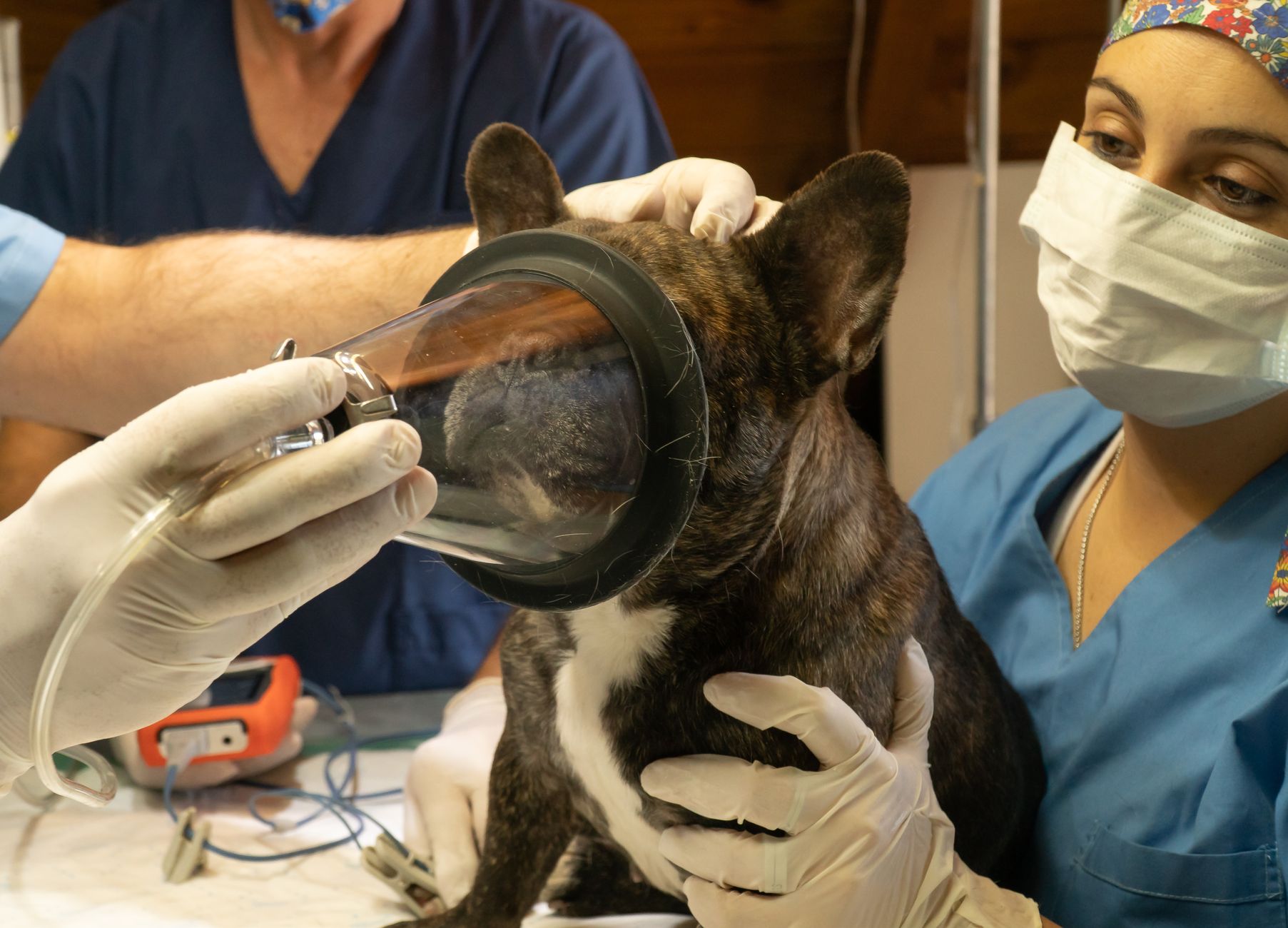
The operation, which took place in a specially equipped veterinary facility, involved careful planning and precision. The lion was first anaesthetised, and the surgical team worked meticulously to remove the cataracts. The artificial lenses were then implanted, designed to match the lion's unique visual requirements.
Such procedures are not only about restoring vision but also improving the quality of life for animals that would otherwise face a bleak future due to their impaired sight. The success of this surgery opens doors to further interventions in wildlife care, particularly for species whose survival might hinge on their ability to see well.
Implications for Future Veterinary Care
This pioneering effort highlights the growing interconnectivity between human and veterinary medicine. As techniques and technologies evolve, the potential for cross-species medical advancements increases. For the lion, this surgery means a new lease on life, and for veterinary science, it represents a step forward in the care of large and exotic animals.
The success of such a complex procedure is a reminder of the dedication and skill within the veterinary profession. It also prompts a broader conversation about the resources and innovation required to support animal health, a field that continues to expand its horizons in parallel with human medical practices.