Mars Colonisation: NASA Study Highlights Daunting Challenges
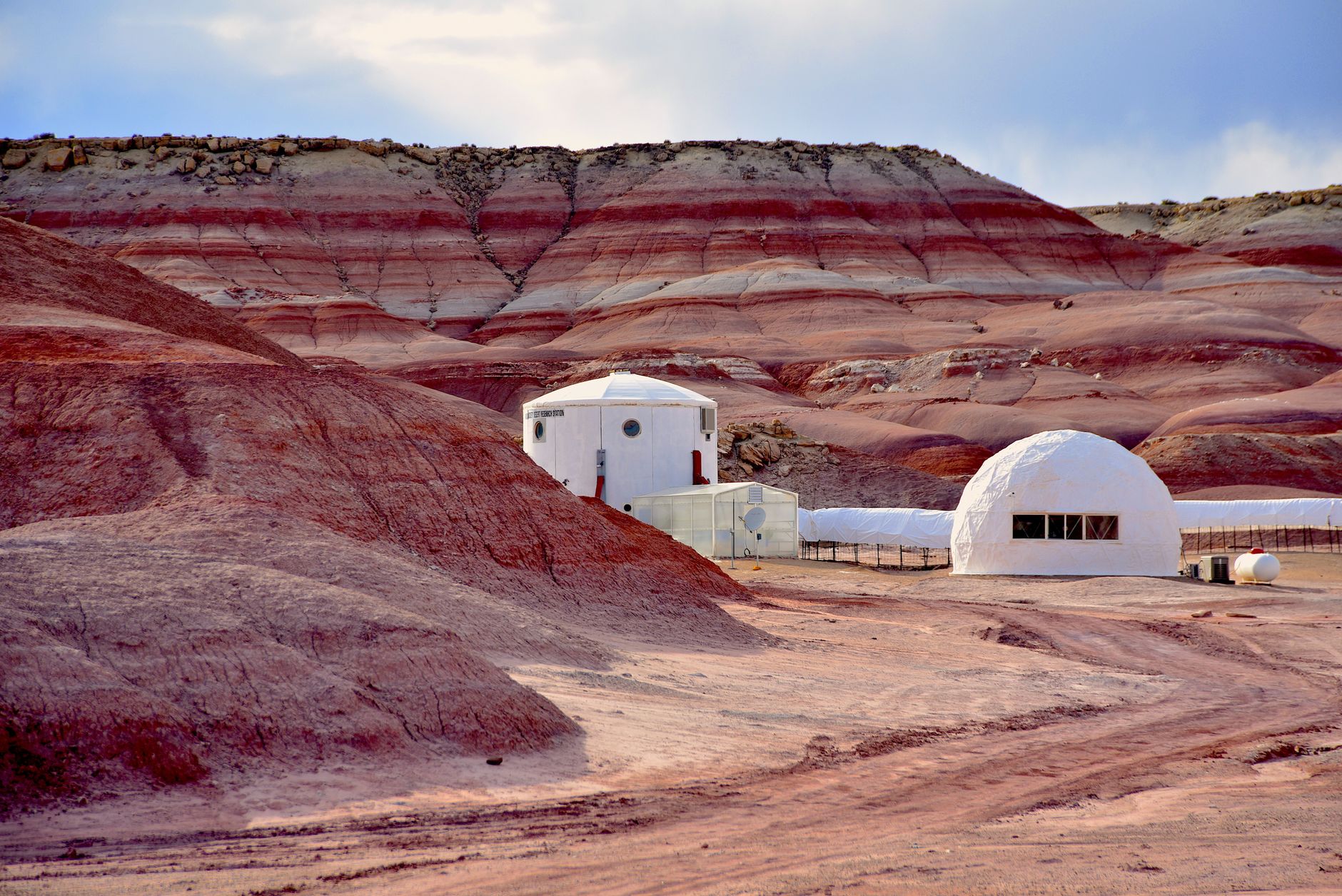
Mars, the alluring red neighbour of Earth, has long fascinated scientists and dreamers alike. Yet, despite its allure, a new NASA study has brought the harsh realities of making Mars habitable into sharp focus. According to the report, while Mars is the most Earth-like planet in our Solar System, transforming it into a second Earth is a Herculean task that could take millennia.
The Challenges of Terraforming
The study, authored by scientists at NASA's Jet Propulsion Laboratory, outlines the formidable challenges of terraforming Mars. The planet's current state—a cold, arid landscape with a thin, carbon dioxide-dominated atmosphere—presents significant obstacles. While Mars once had liquid water and geologic activity, it has since transitioned to its present inhospitable condition.
Laura Kerber, one of the study's authors, notes that the notion of making Mars habitable is not just a matter of technological innovation but also of time. "We're looking at thousands of years of concerted effort," she explains. The process would involve thickening the atmosphere, possibly through the release of gases, and generating enough heat to sustain liquid water on the surface.
Hope for Future Generations
While the path to making Mars a new home for humanity is fraught with challenges, the study does offer a glimmer of hope. The very fact that Mars is considered the most habitable planet after Earth keeps the scientific community engaged. Discoveries about the planet's past and potential subsurface water reserves fuel ongoing research.
Despite the staggering timeline, the dream of Mars colonisation spurs innovative thinking and technological advancements. As scientists continue to explore potential solutions, the vision of a human presence on Mars, however distant, remains a tantalising prospect.
In conclusion, while NASA's study tempers expectations, it also underscores the resilience of human curiosity and the unyielding quest to explore the unknown.