Martian Mysteries and Mysterious Cousins: A Week in Science
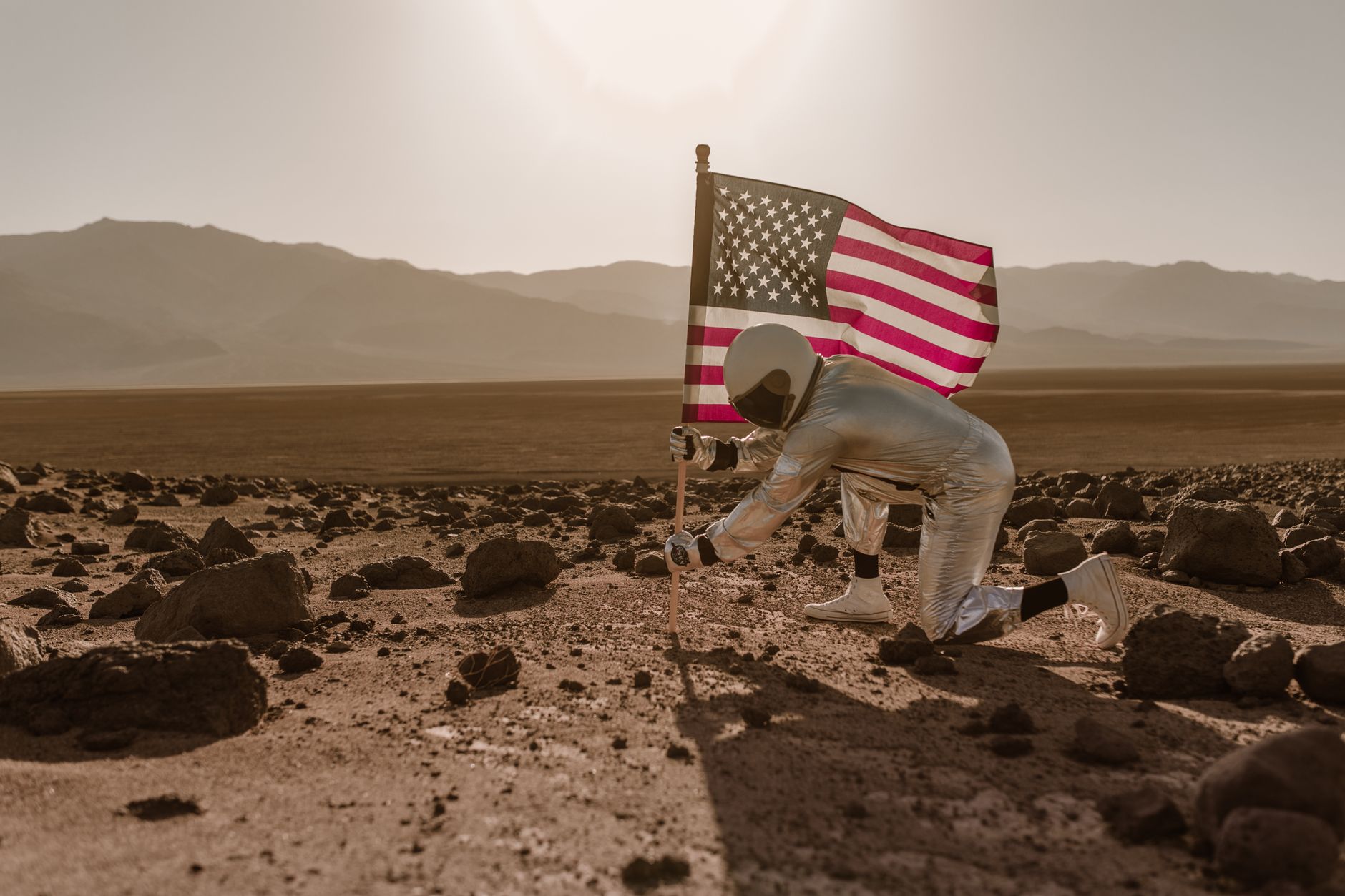
In a week brimming with scientific revelations, the possibility of life on Mars has once again captured the public's imagination. NASA's Curiosity rover, which has been diligently exploring the Martian terrain since its landing in 2012, has reportedly detected organic molecules in a rock sample. These findings have reignited discussions about whether the Red Planet once harboured life, perhaps in the form of ancient microbial organisms.
While some researchers remain cautious, pointing out that organic molecules can form through non-biological processes, others are more optimistic. The presence of these molecules, they argue, could be a tantalising clue pointing towards past life on Mars. The debate continues, but the potential implications are profound, promising to reshape our understanding of life's existence beyond Earth.
A Curious Cousin
Meanwhile, back on Earth, scientists have identified a peculiar human ancestor, adding intriguing complexity to our family tree. This new species, unearthed from a remote cave, exhibits a mix of features not seen before. It shares traits with both Homo sapiens and more ancient hominins, prompting scientists to reconsider the evolutionary pathways that led to modern humans.
Dubbed a 'weird cousin', this discovery challenges previous assumptions about our lineage's evolution, suggesting that human history might be more convoluted than previously thought. The implications for anthropology are significant, as this could reshape how we understand the development of traits that are uniquely human.
Water's Dual Nature
Adding to the week's scientific intrigue, recent research has posited that water, the most essential of compounds, might exist in two distinct liquid states. This hypothesis arises from studies examining water's behaviour under varying temperature and pressure conditions. Such a revelation could have far-reaching consequences for fields ranging from biology to climate science.
The notion that water, a substance so fundamental to life, can behave in such complex ways only deepens the mystery of the natural world. As scientists continue to explore these findings, the potential applications are vast, potentially leading to breakthroughs in understanding everything from cellular processes to atmospheric phenomena.
This week's science news underscores the vastness of what remains to be discovered and reminds us that the universe is full of surprises, each carrying the potential to transform our understanding of life as we know it.