Meet the Ballista Spider: Nature's Tiny Catapult
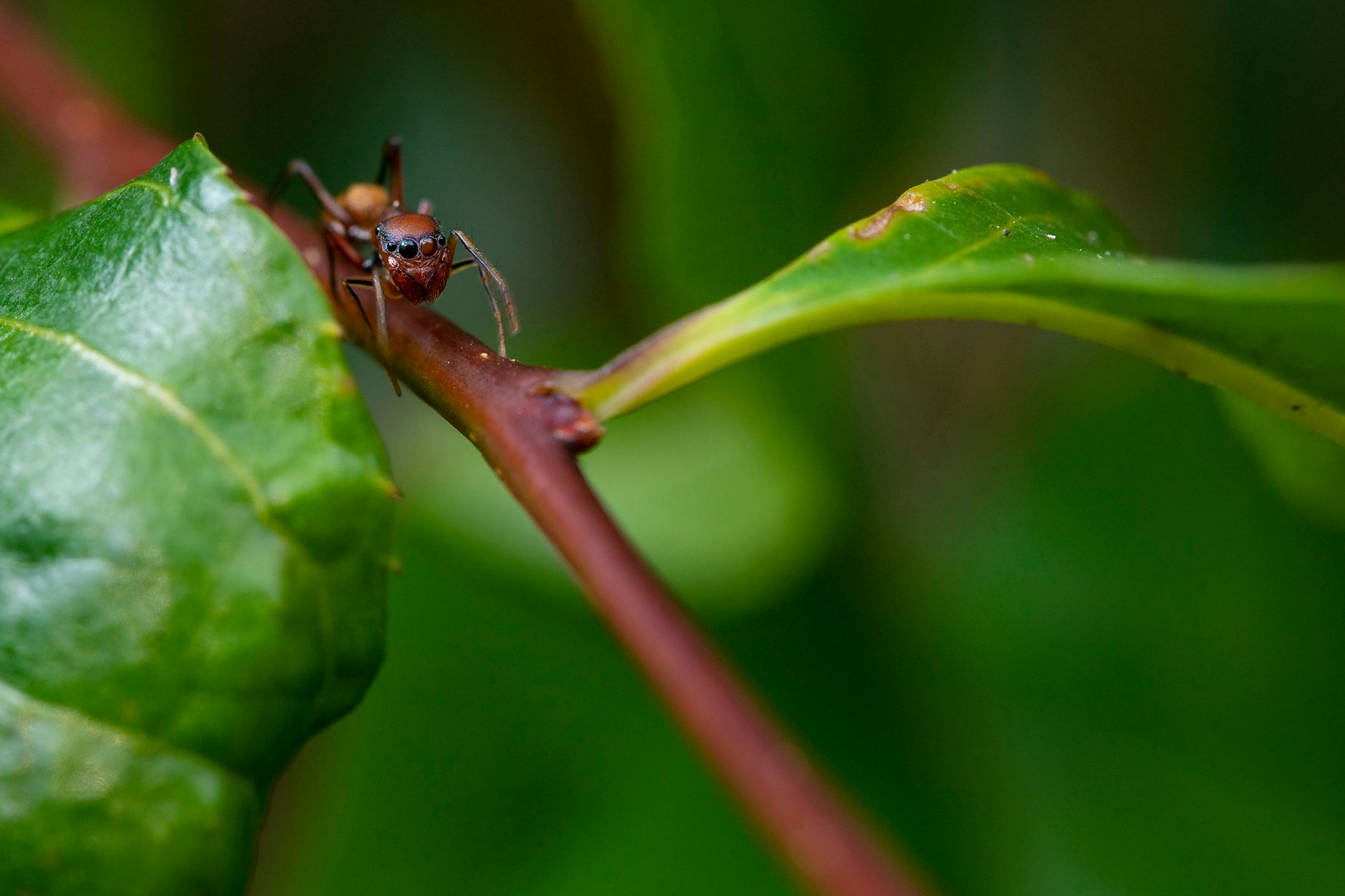
Deep within the undergrowth of a remote forest, a tiny yet formidable predator is rewriting the rules of nature's battlefield. Meet the 'ballista spider', a creature no larger than a grain of rice, yet capable of launching its prey into the air with astonishing power.
Scientists have recently uncovered this arachnid's extraordinary abilities, revealing that it can propel ants with a force 140 times greater than gravity itself. This unique mechanism is achieved through a rapid contraction of its hind legs, functioning much like a catapult. The discovery has left researchers both intrigued and puzzled, eager to understand the evolutionary advantages of such a dramatic hunting strategy.
The Mechanics of the Launch
The ballista spider's method of attack is as ingenious as it is effective. By anchoring itself securely to a leaf or twig, the spider uses its legs to generate tension, which is suddenly released to hurl its victim skyward. This not only disorients the ant but also prevents escape, allowing the spider to consume its meal at leisure.
Such a strategy raises intriguing questions about the evolutionary pressures that might have led to such a development. In the dense competition for survival, the ballista spider's technique provides a clear advantage, enabling it to tackle prey that might otherwise be too swift or dangerous.
Implications for Arachnology
The discovery of the ballista spider has significant implications for the study of arachnology. It challenges existing notions about the capabilities of small predators, prompting a reevaluation of how we understand predator-prey interactions in micro-ecosystems.
Moreover, this research may inspire biomimetic designs in engineering, where similar mechanisms could be applied in technology requiring rapid force deployment on a micro-scale.
In the grand tapestry of evolution, the ballista spider is a reminder of nature's endless ingenuity and the surprises that still await discovery in the natural world.