Ministers' Children Abroad: A Stinging Reflection on India's Education Woes
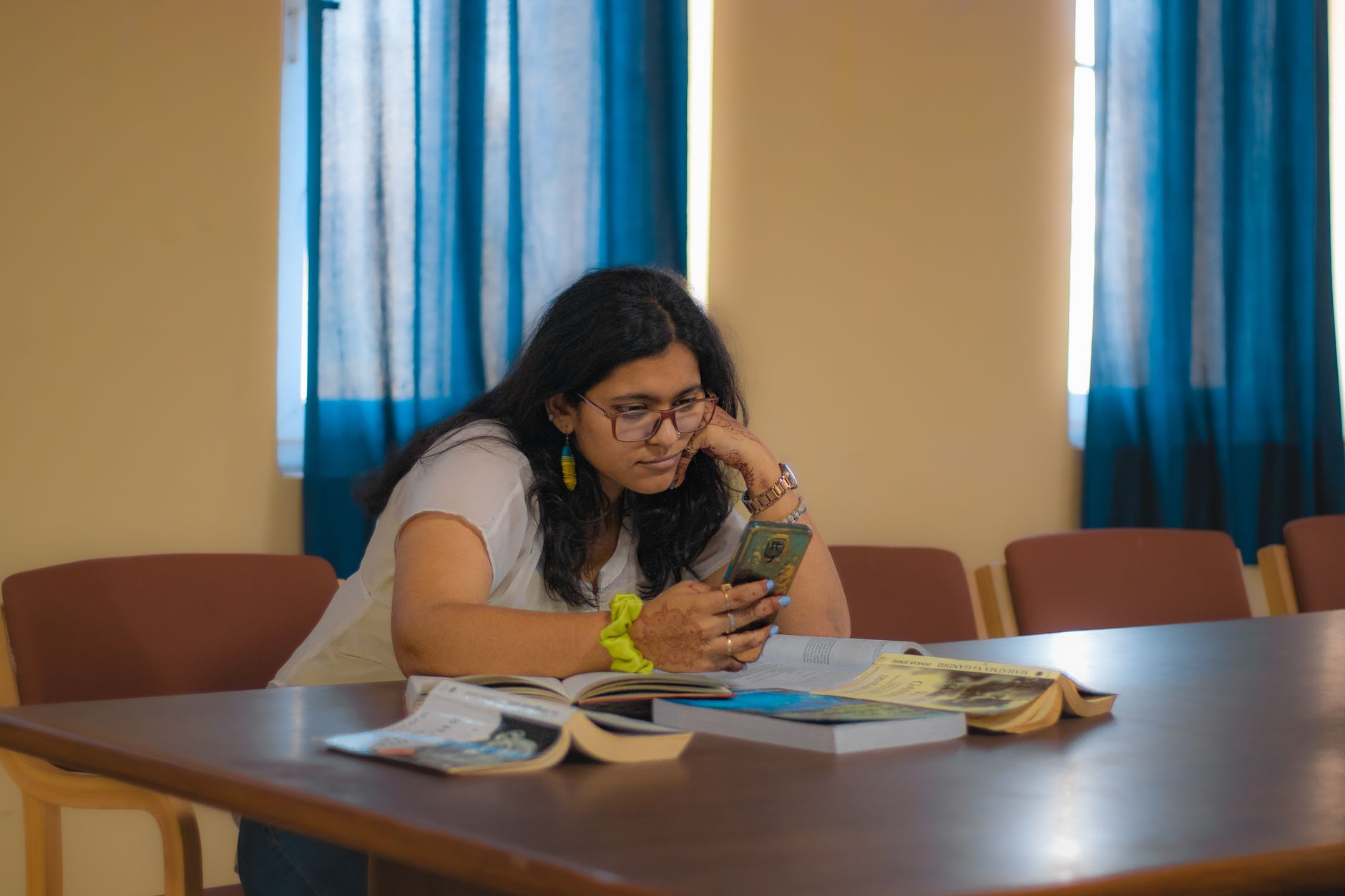
As the clatter of India's education crisis grows louder, an intriguing subplot has emerged involving the offspring of the nation's cabinet ministers. Many of these offspring are pursuing their higher education abroad, a fact that hasn't gone unnoticed amidst the nation's ongoing academic turmoil.
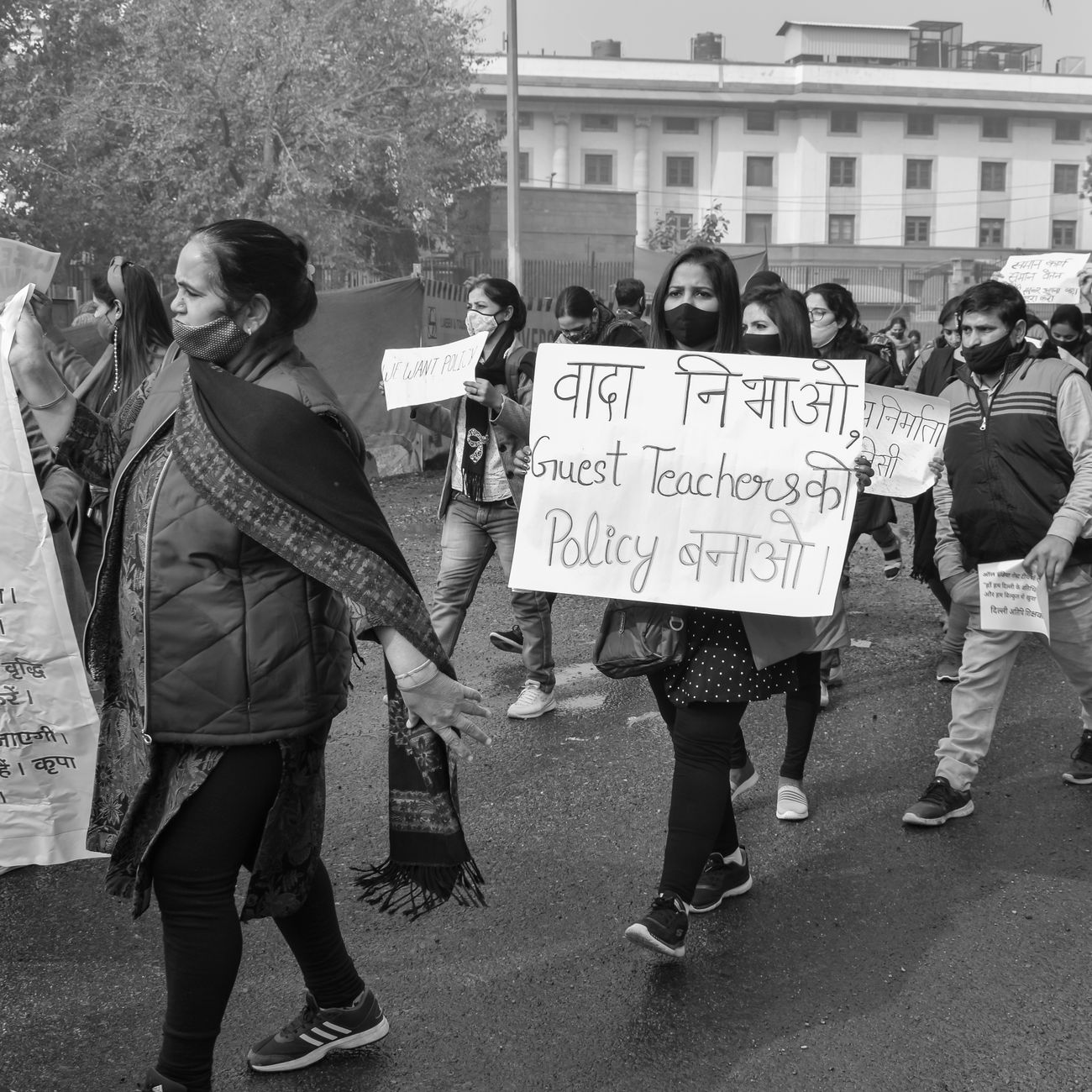
India's education system, with its famed entrance exams, has long been a subject of debate. Recent years have seen these exams embroiled in chaos, from allegations of corruption to technical failures. Meanwhile, a notable trend has been the exodus of Indian students to foreign universities, a pattern that's now being highlighted by the educational choices of India's political elite.
A Growing Exodus
According to recent data, the number of Indian students enrolling in the United States rose by a staggering 29.4 percent in the past year. This uptick follows a period of decline, reflecting renewed interest in international education. With over 133,000 Indian students currently in the US, the allure of foreign universities is undeniable.
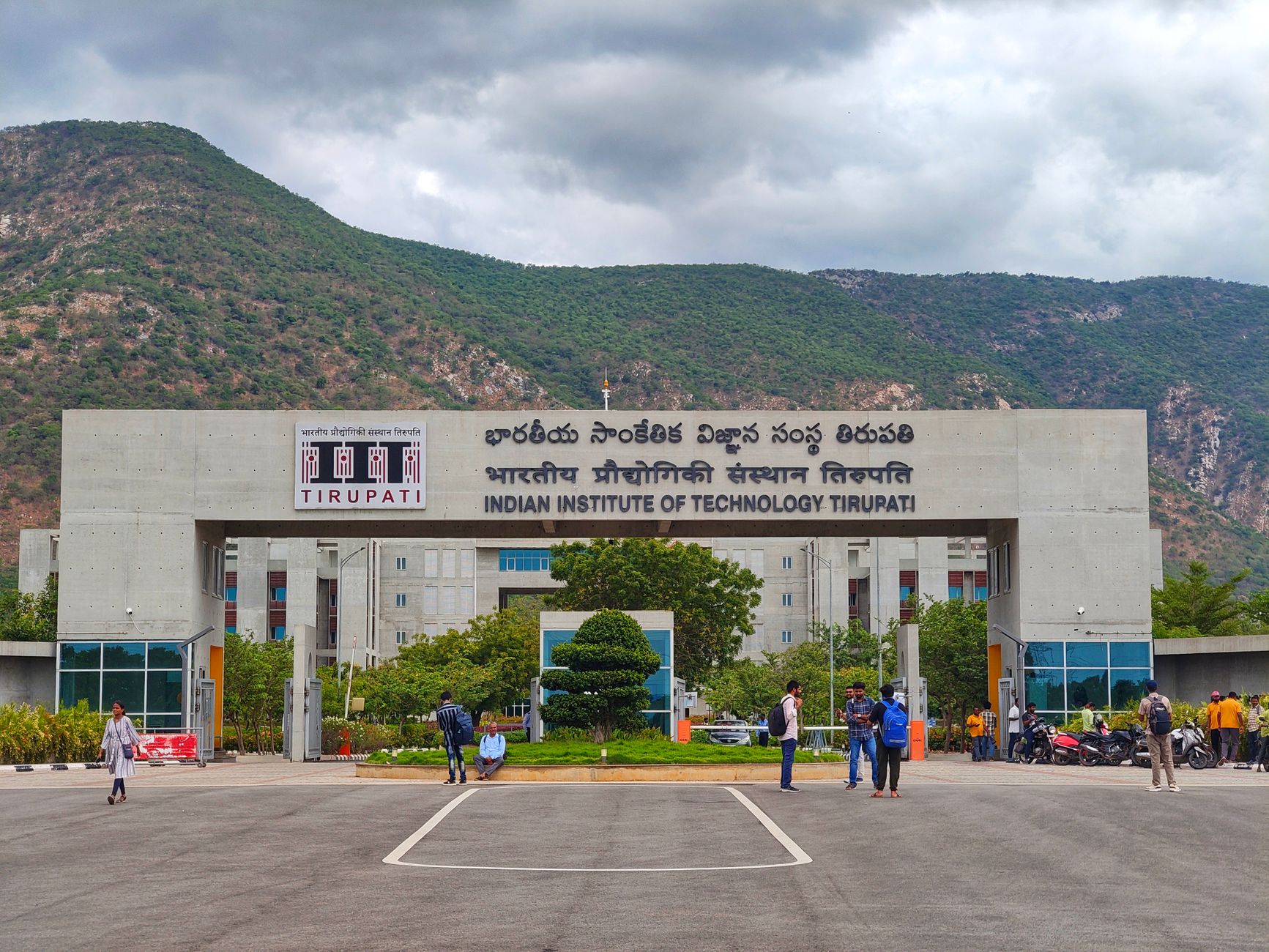
This preference for education abroad is seen as both an indictment and a reflection of the challenges facing Indian institutions. While the government champions the 'Study in India' initiative, aimed at bolstering local institutions, the reality seems starkly different. Many students and their families perceive foreign universities as offering superior opportunities and a more reliable education system.
Political Ramifications
The decision by cabinet ministers, those who ostensibly shape the educational policies of the nation, to send their children abroad has added fuel to the fire. Critics argue that it undercuts the government's efforts to promote domestic higher education and serves as a tacit admission of the system's inadequacies.
In response, some ministers have justified their decisions by citing personal choice and the globalised nature of education. However, the optics remain troubling for a government that is keen on projecting an image of educational reform and progress.
The controversy has sparked wider discussions about meritocracy, access, and the quality of education in India. With public trust in the examination system eroding, the demand for comprehensive reform grows stronger.
As the debate rages on, the question remains: will India be able to reform its educational landscape to retain its brightest minds, or will the lure of foreign shores continue to siphon them away?