Ministry Stands Firm Amidst Odisha Bauxite Extraction Controversy
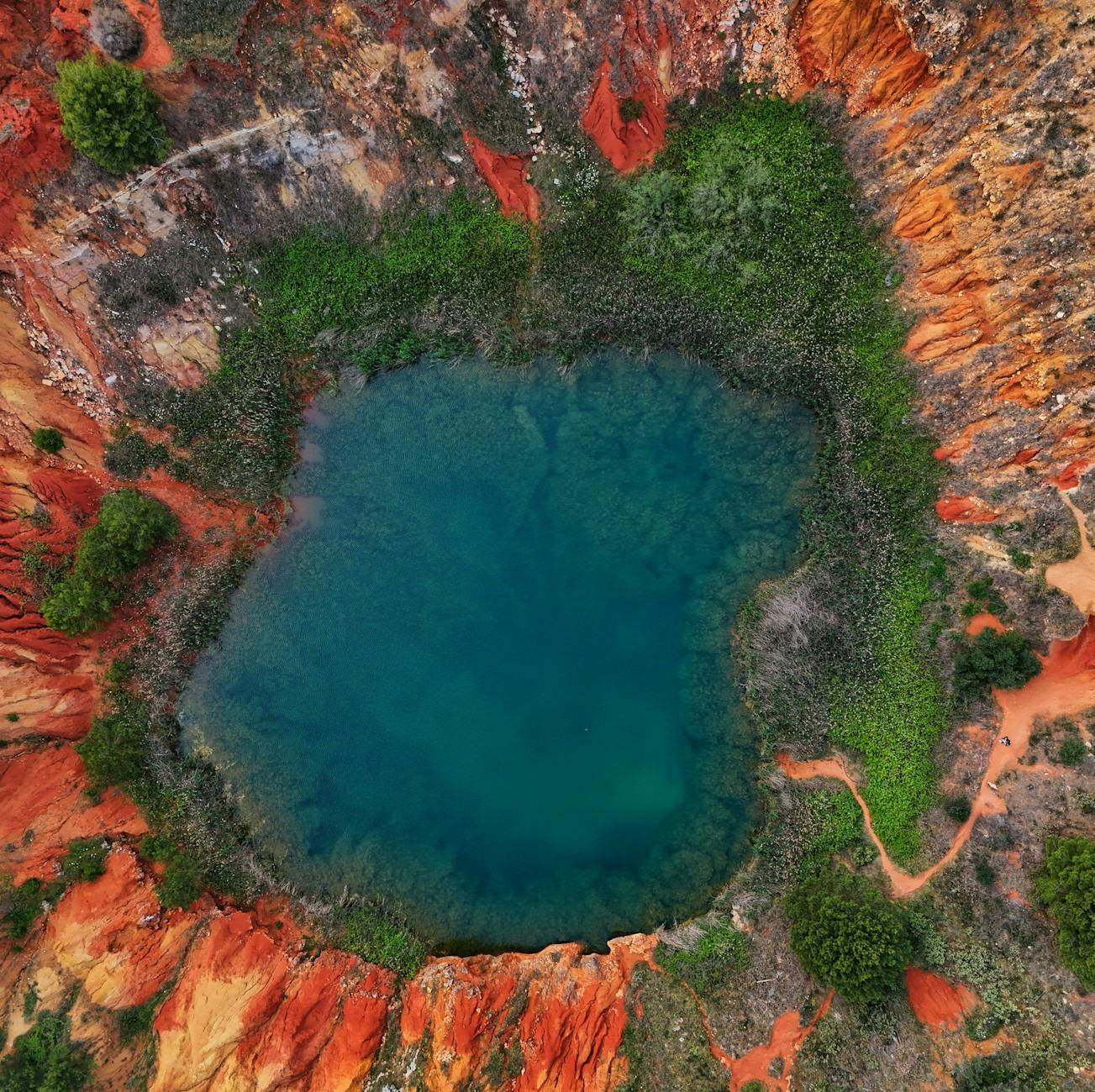
The Union Environment Ministry has found itself embroiled in a heated dispute over bauxite mining in Odisha. Despite the rising clamour for transparency, the ministry remains steadfast, asserting that its investigation is sound. Critics, however, are not convinced.
The controversy centres around an inspection report that remains conspicuously absent from public view. Environmentalists and local activists have demanded that the Ministry of Environment, Forest and Climate Change (MOEFCC) disclose the document, arguing that it holds crucial insights into the ecological consequences of bauxite extraction in the region.
Transparency in Question
The absence of the report has fuelled suspicions and cast doubt on the ministry's claims. The ministry insists that the net increase in sanctuary area offsets any negative impact. Yet, activists counter that such claims require verification through the missing inspection findings.
Critics argue that the ministry's reticence to share the report undermines trust and raises questions about the governance of natural resources. "Without transparency, how can we ensure that environmental standards are upheld?" asks Priya Menon, a local environmental activist.
Environmental Concerns
Odisha's lush landscapes, rich in biodiversity, stand to be affected by increased mining activities. Concerns about habitat destruction and the impact on indigenous communities have been at the forefront of the debate. Environmentalists warn that unchecked bauxite extraction could lead to irreversible damage.
As the stand-off continues, the call for accountability and transparency grows louder. The ministry's position is clear, yet the pressure to reveal the inspection report intensifies. How this saga unfolds may set a precedent for future resource management in India.