Minnesota Scientists Edge Closer to Lab-Created Life Forms
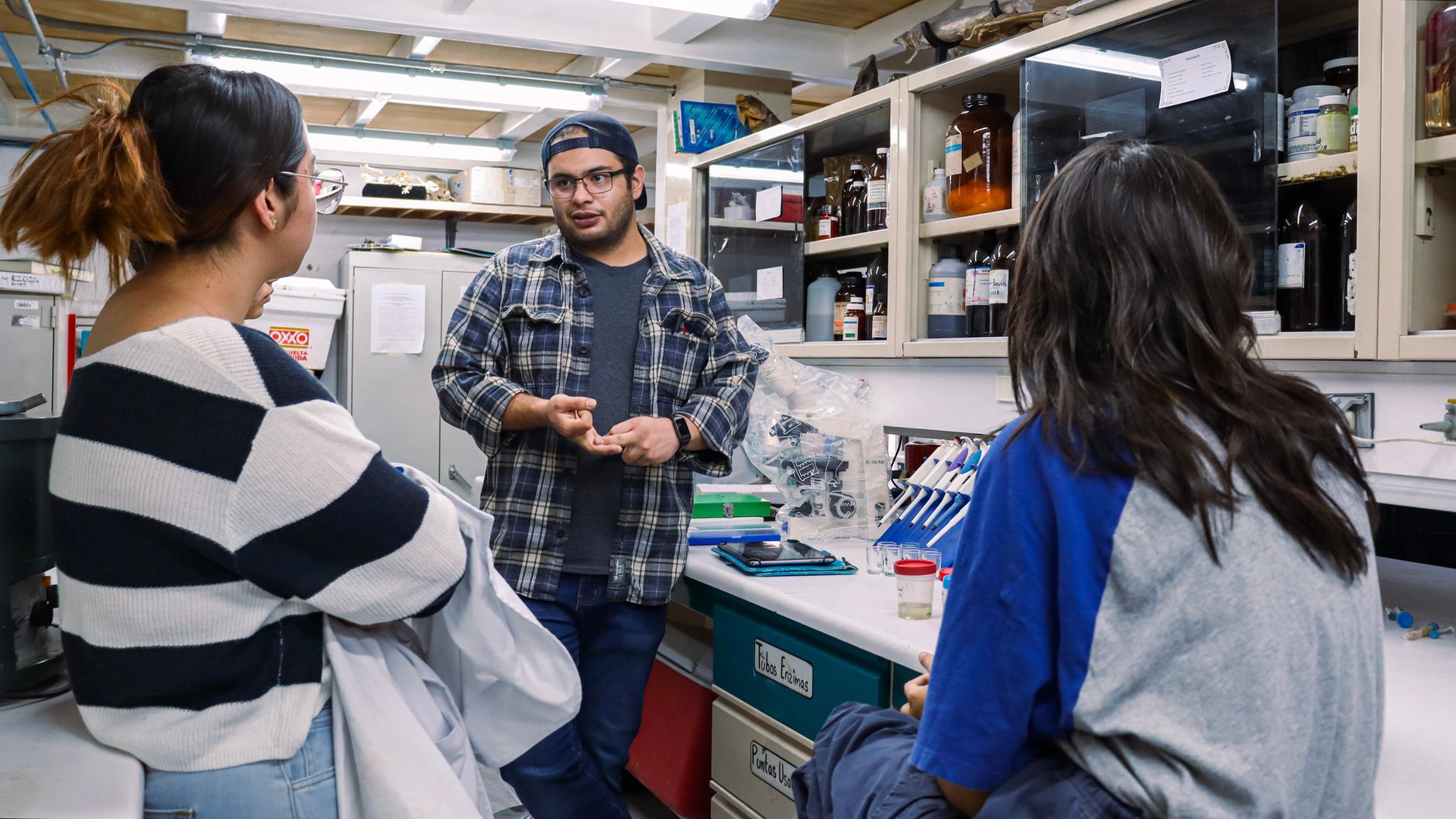
In the sterile confines of a Minnesota laboratory, an unprecedented chapter in the saga of synthetic biology is quietly unfolding. Researchers at the University of Minnesota have announced the creation of 'SpudCells', synthetic cells that could potentially mimic the fundamental processes of life. These cells can feed, grow, and multiply, but only within the cosy confines of a carefully controlled environment.
While the notion of engineering life from scratch might evoke images of a science fiction thriller, the reality is more complex and cautiously optimistic. The team utilised a decades-old system known as PURE, incorporating biomolecules like proteins and ribosomes, to transcribe lab-made DNA into functional entities. It's a meticulous dance of chemistry and biology, each step a testament to human ingenuity.
Despite the magnitude of this achievement, the researchers are quick to temper expectations. The 'life' they have engineered requires a nurturing environment to sustain itself, akin to a fragile hothouse orchid. The cells, though capable of growth and replication, are far from surviving outside the laboratory's protective embrace.
Implications for the Future
The implications of this research are profound, potentially altering our understanding of life itself. By crafting life from non-living components, scientists are inching closer to answering one of humanity's oldest questions: can life be created artificially? However, ethical and practical considerations loom large. The creation of synthetic life forms could lead to breakthroughs in medicine, bioengineering, and environmental science, but it also demands a careful examination of the moral landscape.
As researchers continue to refine their techniques, the scientific community watches with bated breath. The potential to synthesise life bears the promise of revolutionising various fields, yet it also poses questions about the very nature of existence. For now, the 'SpudCells' remain a remarkable curiosity, a stepping stone on the path to understanding the essence of life.