Mizoram's Museum Gains National Status as Biodiversity Repository
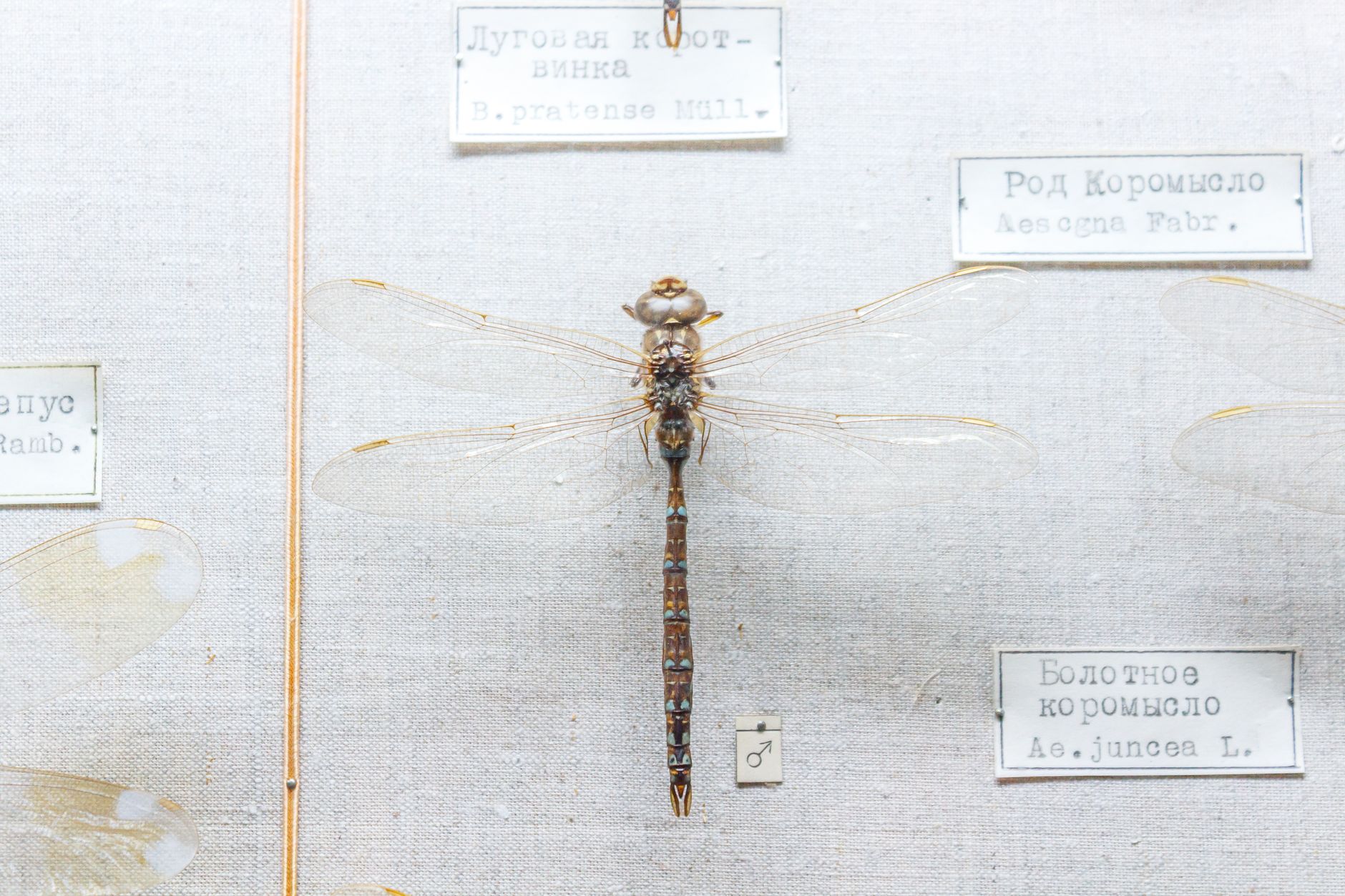
Mizoram's Natural History Museum has stepped into the spotlight as the Environment Ministry bestows upon it the status of a designated repository, marking it as the 21st in India. This designation is not merely an accolade for the museum but a testament to India's commitment to safeguarding its biological heritage.
These repositories play a pivotal role in India's biodiversity governance framework by maintaining authenticated biological specimens accessed under the Biological Diversity Act. Such specimens are invaluable, serving as references for scientific research, education, and conservation planning.
In the foothills of the lush Mizoram landscape, the Natural History Museum has long been a hub for researchers and students. Now, with its elevated status, it is poised to become a central player in the national and international scientific community. Experts believe that this recognition will enhance the museum's capabilities to conduct research and collaborate on a global scale.
Why It Matters
India is home to a rich tapestry of flora and fauna, much of which remains undocumented and vulnerable to environmental changes. Designated repositories like Mizoram's are crucial in cataloguing this diversity, thus playing a key role in conservation efforts. As climate change continues to pose threats to ecosystems worldwide, such institutions provide a bastion of hope for preserving knowledge and understanding of biodiversity.
The museum's new role aligns with India's broader environmental goals, as outlined in the Biological Diversity Act of 2002, which aims to promote sustainable use and equitable sharing of benefits arising from biological resources.
The designation also opens up opportunities for Mizoram to attract funding and expertise, enhancing its capacity to contribute to both regional and global conservation initiatives. This development is a reminder of the interconnectedness of local actions and global environmental health.
Looking Ahead
As the 21st designated repository, the Natural History Museum in Mizoram is set to bolster India's efforts in biodiversity conservation. Its role will be crucial in helping scientists, policymakers, and the public to understand and protect the country's unique biological resources.
This milestone not only strengthens India's scientific infrastructure but also highlights the importance of preserving biodiversity as a shared responsibility, one that requires concerted efforts from all sectors of society.