Moshi Tragedy Sparks Scrutiny on Waste Management Practices
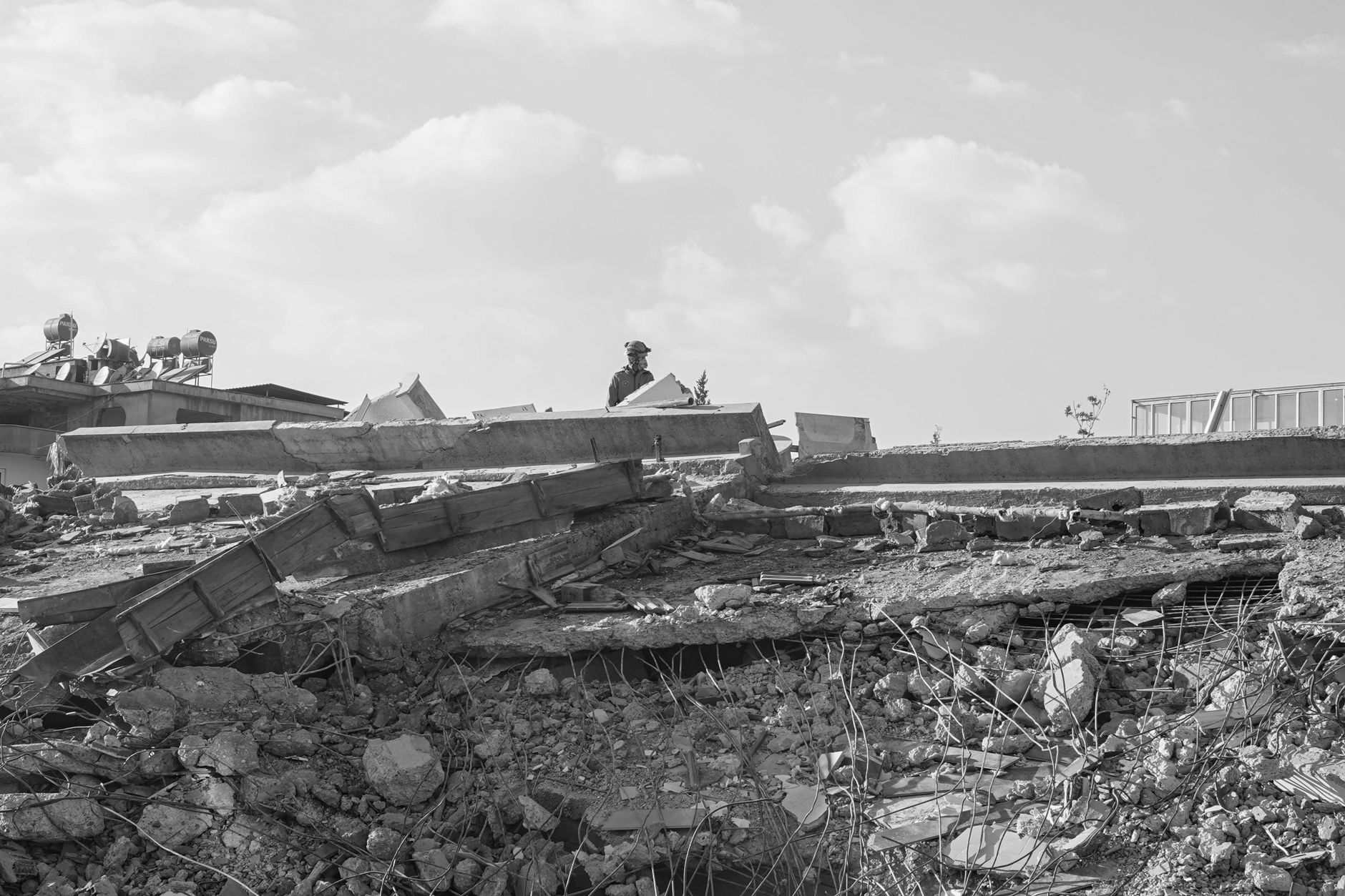
The grim aftermath of the Moshi waste-to-energy plant collapse has sent shockwaves through the Pimpri Chinchwad region, as families mourn the nine lives lost in a tragedy that many argue was preventable. While the dust settles, the Pimpri Chinchwad Municipal Corporation (PCMC) is not sitting idle. Show-cause notices have been dispatched to the civic body's environment department and Antony Waste Handling Cell Ltd, the firm responsible for the facility's operation.
The collapse, which occurred when a massive garbage heap toppled onto the plant's administrative building, trapping 23 individuals, has shone a harsh light on the procedural lapses and safety oversights that may have contributed to this disaster. The fact that employees were caught unaware, many having lunch in a top-floor canteen, underscores the magnitude of the oversight.
Questions of Negligence
The PCMC commissioner has made it unequivocally clear: should evidence of negligence emerge, criminal proceedings will follow. This tough stance is fuelled by mounting public outrage and the harrowing accounts of survivors and victims' families.
Sanjeevan Sangle, head of the Chikhali-Moshi Cooperative Housing Societies, has been particularly vocal, criticising the PCMC for its lax oversight in granting completion certificates to builders without ensuring the necessary facilities and safety measures were in place.
Broader Implications
As investigations progress, the Moshi tragedy has sparked a wider debate about the state of waste management in urban India. The Union Minister's assurance that the government will not ignore this incident reflects the broader concerns about municipal accountability and infrastructure resilience.
City Engineer Sanjay Kulkarni, who oversees the Moshi depot, noted that the building was constructed at a seemingly safe distance of 30 metres from the garbage mound. Yet, this assurance does little to ease concerns that such accidents could recur without stringent reform.
As the community grapples with its loss, the pressing need for reform and accountability in waste management becomes ever more apparent. The Moshi incident stands as a stark reminder of the human cost of ignoring safety protocols and regulatory oversight.