NASA Satellite Unveils Unexpected Tsunami Movements
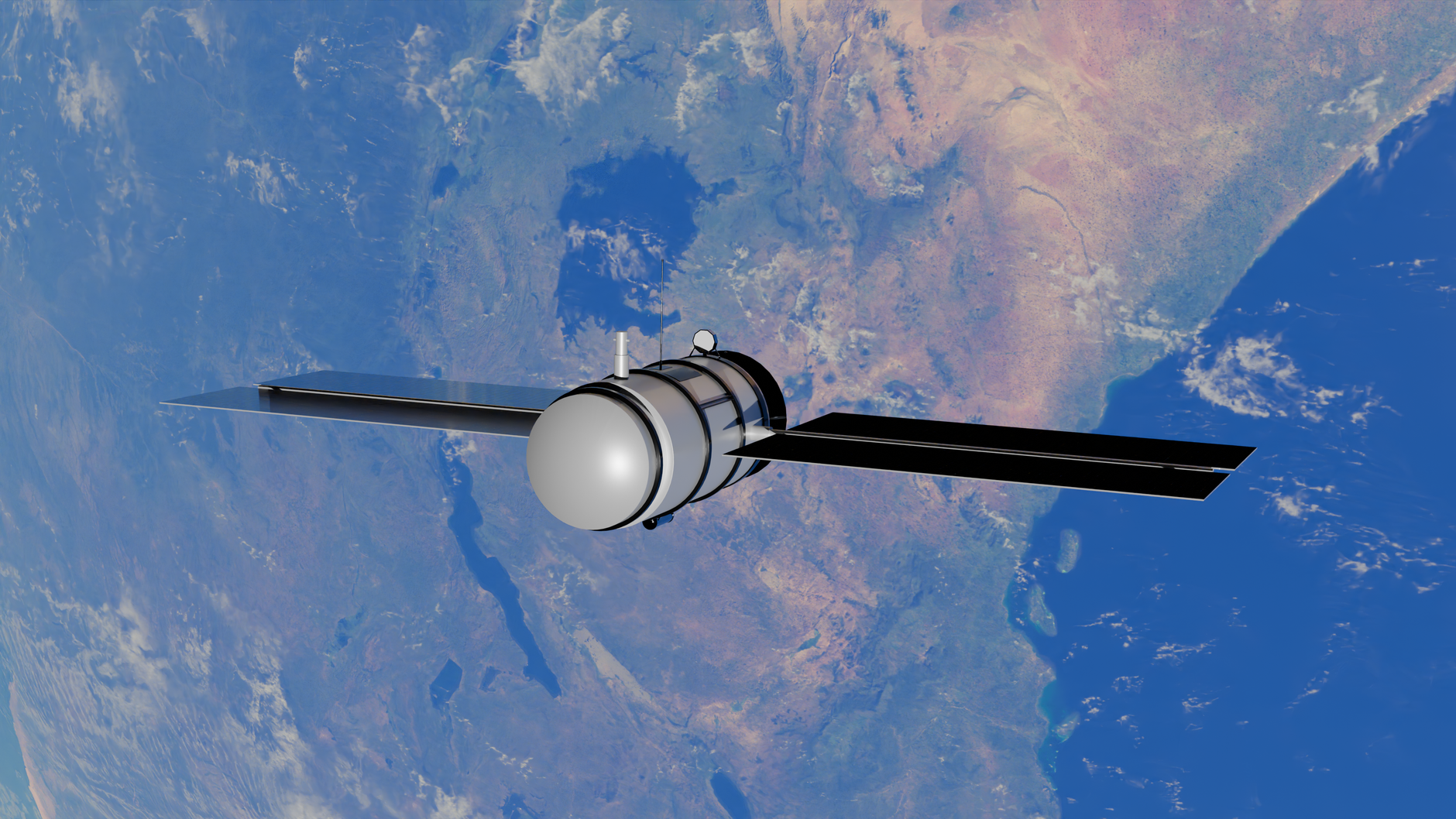
In a remarkable turn of events, a NASA satellite has captured a tsunami behaving in ways that have left scientists baffled and intrigued. The event unfolded when a massive earthquake struck near Kamchatka, sending ripples across the Pacific Ocean. As expected, the tsunami followed, but it wasn't the ocean's waves that caught scientists' attention this time.
The satellite in question, a joint venture between NASA and the French space agency CNES, is known as the Surface Water and Ocean Topography (SWOT) mission. Originally designed to study the movement of Earth's surface water, the instrument inadvertently provided one of the most detailed views of a tsunami's journey across open waters.
A New Perspective from Above
What sets this observation apart is that the SWOT satellite captured high-resolution images of the tsunami not through ocean sensors but via signals in the atmosphere. This unexpected method has unveiled new insights into how tsunamis propagate, challenging the traditional reliance on ocean-based detection systems.
As the satellite hovered above, it recorded the atmospheric disturbances caused by the tsunami. These disturbances offer a fresh lens through which scientists can analyse the behaviour of such massive waves. This discovery could potentially revolutionise early warning systems, making them more accurate and reliable.
Revisiting Established Beliefs
The data has sparked a reevaluation of how tsunamis are monitored. Until now, the focus has largely been on oceanic measurements, but this atmospheric approach could fill in critical gaps in our understanding. Scientists are now considering the implications of this data for predictive models, which could be crucial in mitigating the devastating impacts of such natural disasters.
This breakthrough serves as a reminder of the ever-evolving nature of scientific inquiry. Each new discovery, while providing answers, often raises further questions. As researchers delve deeper into the data, the hope is that it will lead to more effective strategies for dealing with tsunamis and their aftermath.
In the grand tapestry of Earth's natural phenomena, the ocean still holds many secrets. But with tools like the SWOT satellite, we inch closer to unveiling the mysteries that lie beneath—and above—its surface.