NASA Sets Sights on Swift Launches from Marshall Islands
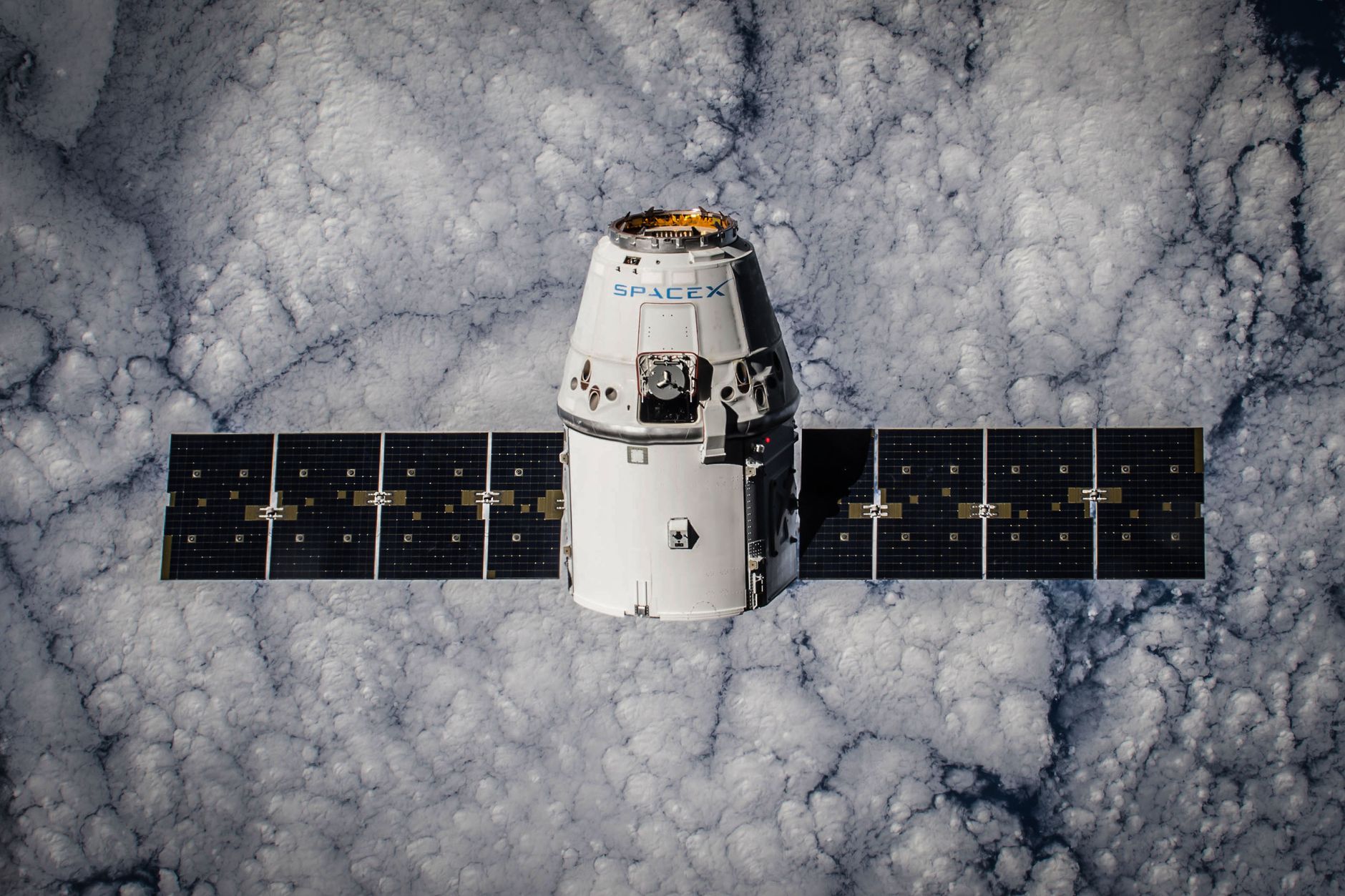
In a bold stride towards enhancing its space operations, NASA is setting its sights on increasing the frequency of its satellite launches from the Marshall Islands. This remote archipelago in the Pacific Ocean is poised to become a pivotal hub for the space agency's future missions.
The Marshall Islands, strategically located near the equator, offers a unique advantage for launching satellites. The proximity to the equator allows rockets to harness the Earth's rotational speed, making launches more fuel-efficient and cost-effective. This geographical boon is a key factor in NASA's decision to intensify its activities in the region.
The Strategic Significance of the Marshall Islands
The choice of the Marshall Islands is not without its merits. Historically, this region has been used for various military and space activities. Its location reduces the logistical challenges and costs associated with transporting large payloads, offering an economical solution for launching a variety of missions, from scientific satellites to potential crewed missions in the future.
NASA's initiative is expected to boost the local economy, providing jobs and infrastructure development in the Marshall Islands. However, it is not just the economic benefits that are at play. Increased activity in this region could also strengthen geopolitical ties between the United States and the Pacific nations, fostering collaboration in scientific and technological advancements.
Challenges and Prospects
Despite the promising prospects, the mission is not without its challenges. The logistics of setting up a robust launch system in a remote location require meticulous planning and coordination. Furthermore, environmental concerns about the impact of increased launches may also arise, necessitating careful management to balance progress with sustainability.
As NASA prepares to embark on this ambitious plan, the world watches with anticipation. The success of this initiative could set a new precedent for space agencies globally, demonstrating the potential of lesser-known locations in the advancement of space exploration.