NASA's PACE Mission: Illuminating the Impact of Wildfire Smoke
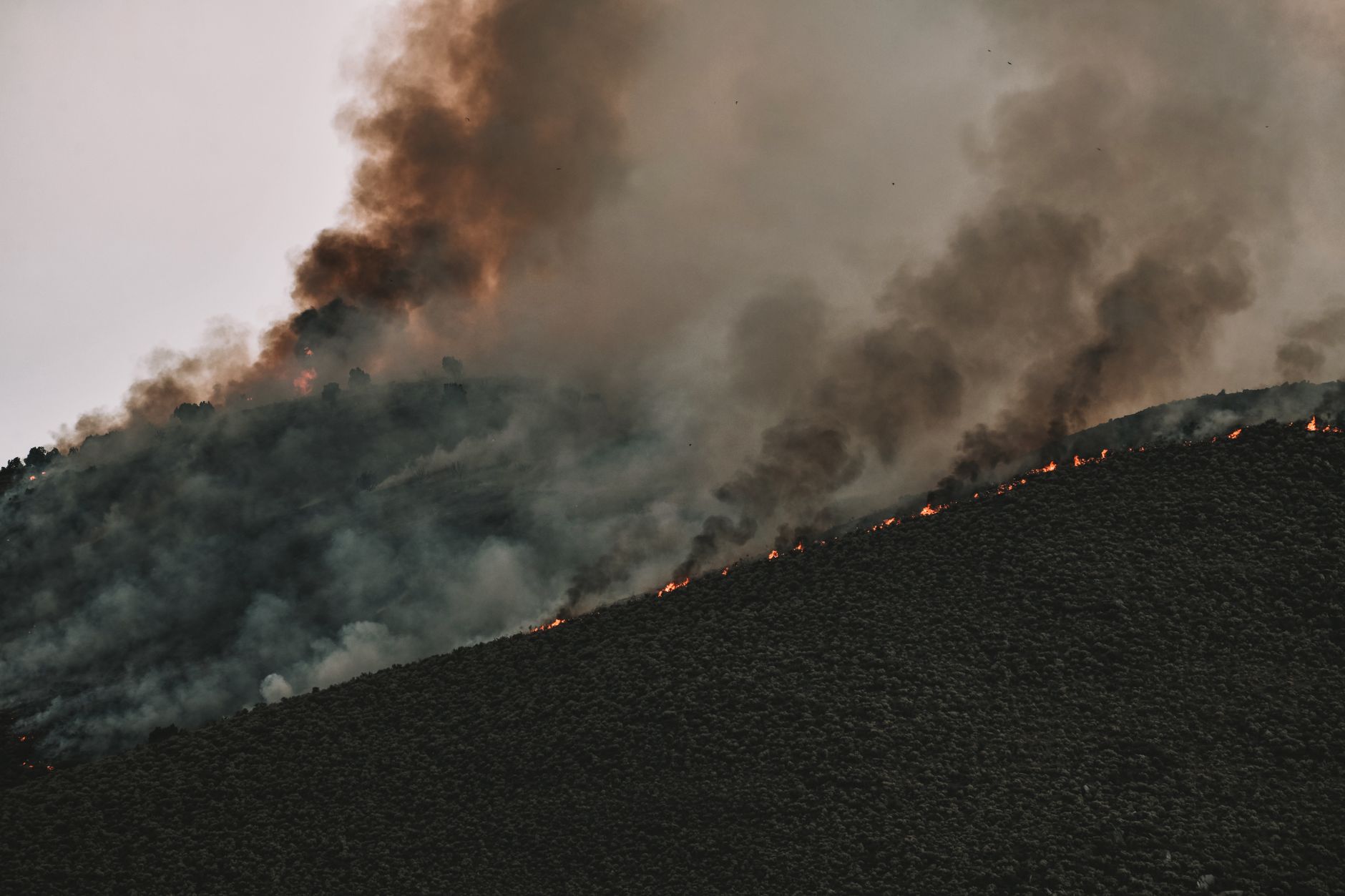
High above the Earth, NASA's PACE satellite is turning its gaze towards the smoke-choked skies of Canada, where wildfires have been rampant this season. Launched on 8 February 2024, the Plankton, Aerosol, Cloud, ocean Ecosystem (PACE) mission is not merely documenting the unfolding drama but providing pivotal data on the effects of smoke on air quality and marine ecosystems.
Images captured by the Ocean Colour Instrument aboard PACE on 11 August 2024 reveal vast plumes of smoke billowing across northern Canada. These images are more than just snapshots; they represent a crucial tool in understanding how such phenomena impact the air we breathe and the health of our oceans.
In an era where climate change is at the forefront of global concerns, the data gleaned from PACE is invaluable. By examining the interactions between aerosols, clouds, and marine ecosystems, scientists can better predict and mitigate the effects of environmental changes. This is especially pertinent as communities grapple with the immediate health risks posed by smoke inhalation and the longer-term environmental consequences.
A New Era in Atmospheric Research
Historically, field studies of specific locations were the primary means of understanding these interactions. However, PACE heralds a new era of satellite-based observation, offering a global perspective that was previously unattainable. Its capacity to measure ocean health and atmospheric conditions simultaneously is groundbreaking.
Dr Sarah Thompson, a leading atmospheric scientist at NASA, emphasised the importance of this mission. "PACE is a game-changer in our ability to monitor the Earth's vital signs. The integration of data on ocean colour and aerosols allows us to see the bigger picture of how smoke affects climate," she stated.
This mission's implications extend beyond academic curiosity. The information gathered will aid policymakers in crafting informed responses to environmental crises. As the world watches the Canadian wildfires unfold, PACE's contributions provide hope that science can offer solutions to the complex challenges posed by climate change.