NASA's Quantum Frontier: Unravelling the Mysteries of Ultra-Cold Matter in Space
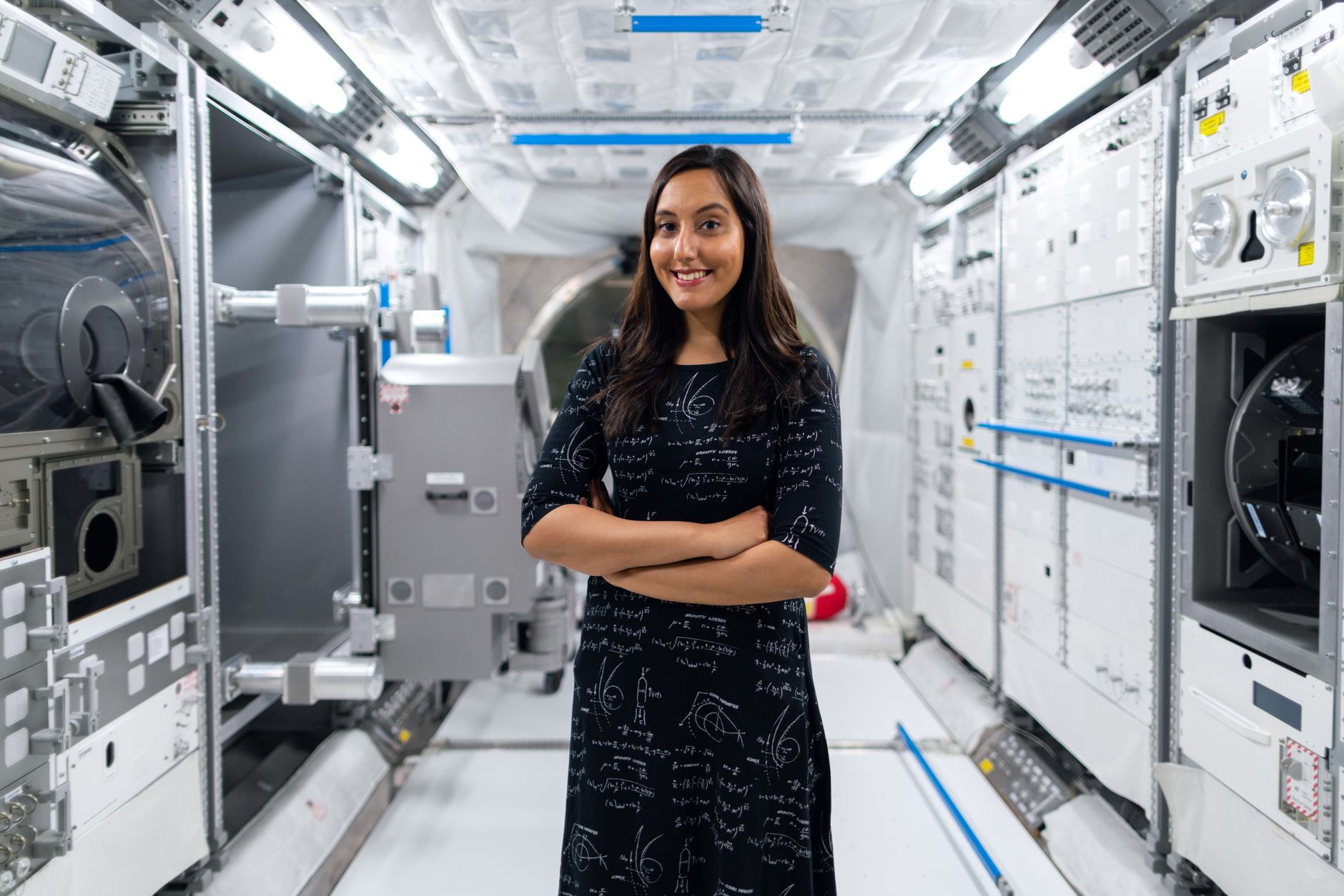
In the serene void of the International Space Station, a quiet revolution is underway. NASA's Cold Atom Laboratory, perched in the microgravity of low Earth orbit, is engaged in a scientific endeavour that could redefine our understanding of matter itself. By using lasers to cool atoms to temperatures barely above absolute zero, this laboratory is attempting to create a Bose-Einstein Condensate (BEC), a state of matter so elusive that it defies ordinary earthly conditions.
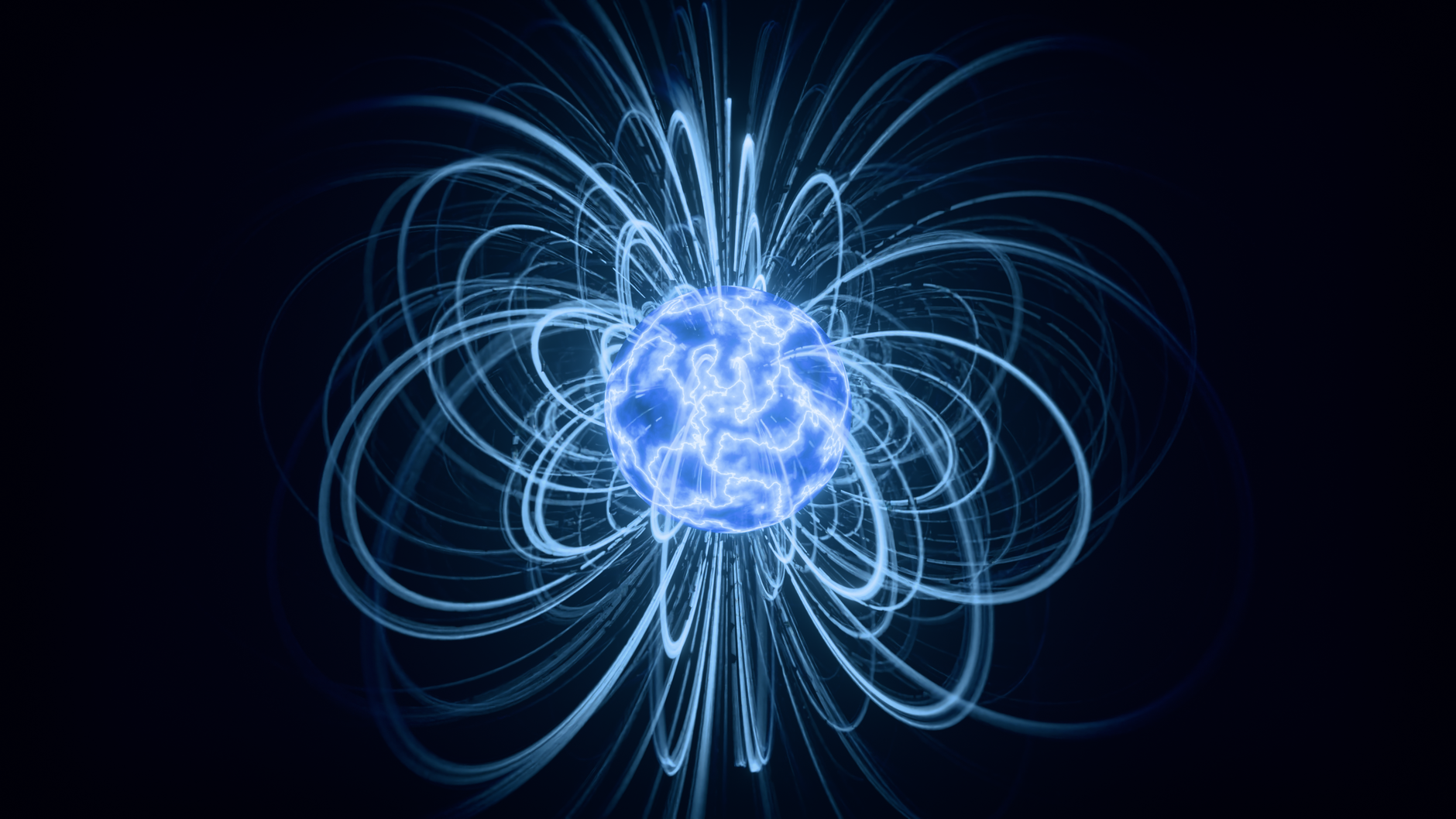
The BEC is no ordinary form of matter. Described as the 'fifth state', it exists alongside solids, liquids, gases, and plasmas, yet behaves in a manner unlike any of them. At these ultra-cold temperatures, atoms move in a coordinated dance, acting as a single quantum entity rather than individual particles. This behaviour not only challenges conventional physics but also opens a portal into the quantum realm, where the rules are as bizarre as they are fascinating.
The Significance of Space-based Research
Conducting these experiments in the weightless environment of the ISS offers unique advantages. Microgravity allows scientists to observe quantum phenomena over extended periods, free from the disturbances of earthly gravity. This, in turn, provides clearer insights into the fundamental workings of quantum mechanics.
The pursuit of BECs in space isn't merely an academic exercise. The insights gained could have profound implications for quantum computing, navigation, and communication technologies. As researchers explore these quantum behaviours, they inch closer to unlocking applications that might one day revolutionise technology on Earth.
The Future of Quantum Exploration
With NASA's recent upgrades to the Cold Atom Lab, the stage is set for a new era of discovery. These enhancements promise more precise control and measurement capabilities, enabling scientists to push the boundaries of what is known about quantum physics.
As we continue to peer into the mysteries of ultra-cold matter, the findings from the Cold Atom Lab promise to shed light on questions that have long eluded scientists. In doing so, NASA is not merely observing the universe but is actively participating in its grand reveal, one atom at a time.