Nature's Ingenious Survivors Face Extinction Due to Human Impact
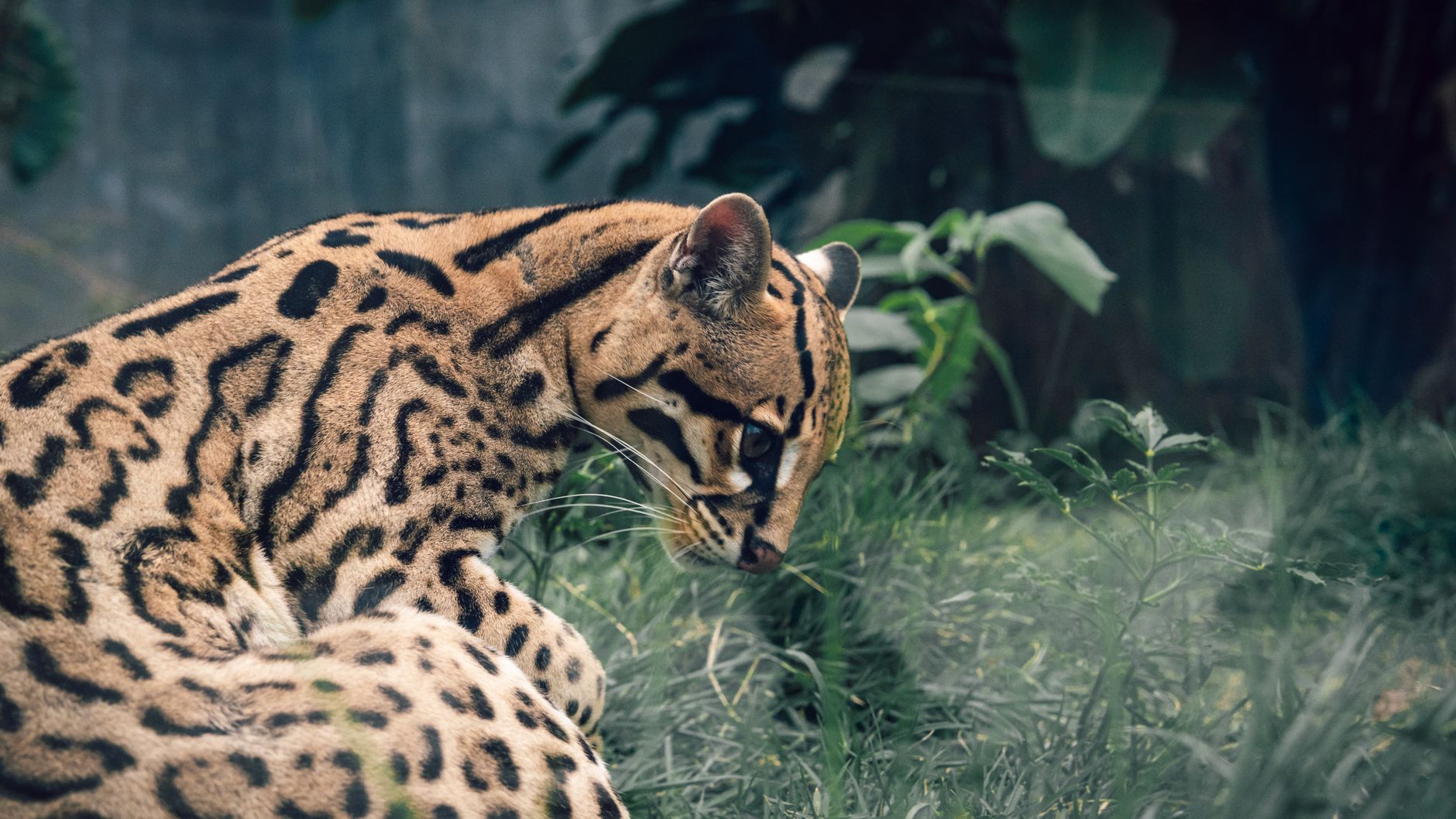
In the shadow of human expansion, the natural world’s most ingenious survivors are fighting a losing battle. The International Union for Conservation of Nature (IUCN) has released its latest Red List, and the findings are stark. Out of 175,909 species assessed, a worrying 49,505 are now threatened with extinction. This includes species that have, over millennia, developed extraordinary mechanisms to endure the harshest of environments.
Consider the axolotl, a salamander with the remarkable ability to regenerate limbs and other vital organs. Once thriving in Mexico's ancient waterways, it now clings to existence. Habitat destruction and pollution, driven by urbanisation, have brought this peculiar creature to its knees. The story is the same for countless others, from the polar bear grappling with melting ice caps to amphibians succumbing to fungal diseases exacerbated by climate change.
Human Activities: A Double-Edged Sword
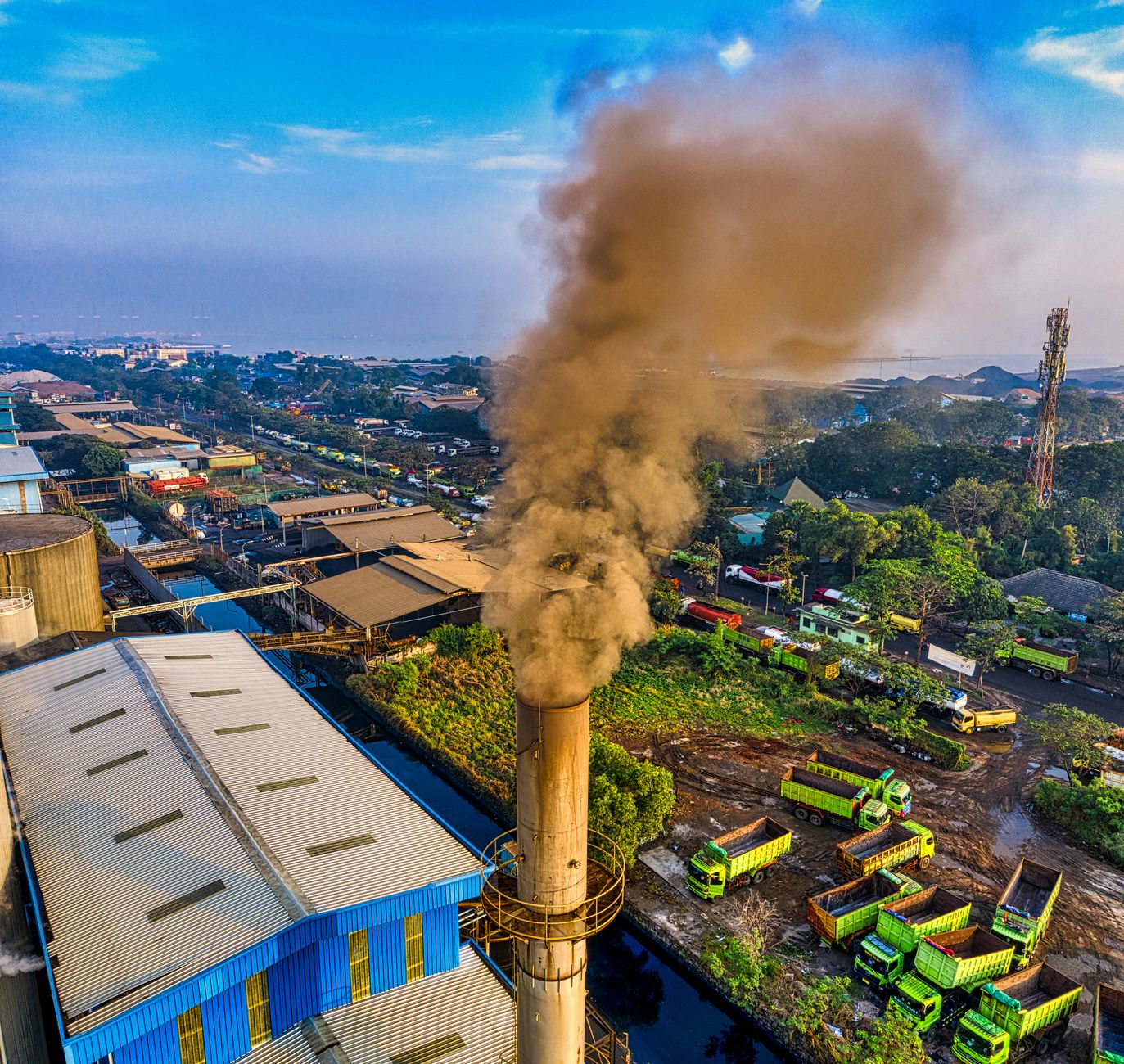
While nature has always been adept at adapting, the sheer pace and scale of human activities present a challenge of a different magnitude. Deforestation, pollution, and overfishing are just the tip of the iceberg. These actions not only destroy habitats but also disrupt the delicate balance of ecosystems, leading to a ripple effect that threatens species far removed from the immediate source of danger.
Moreover, the introduction of invasive species and the illegal wildlife trade further compound these issues. Species that once thrived in isolation now find themselves competing for resources in an altered landscape.
Conservation: A Global Imperative
The IUCN's report is a clarion call for urgent, coordinated global action. Conservation efforts must transcend borders, integrating local communities into the fold. Initiatives like protecting critical habitats, enforcing anti-poaching laws, and rehabilitating affected ecosystems are vital. However, these require political will and public support.
As the Red List grows longer, it serves as a sobering reminder of the fragility of life on Earth. The ingenuity of nature is no match for human indifference, and unless decisive action is taken, the consequences will be irreversible, not just for wildlife, but for humanity itself.