Navigating the Perils of the Lunar South Pole
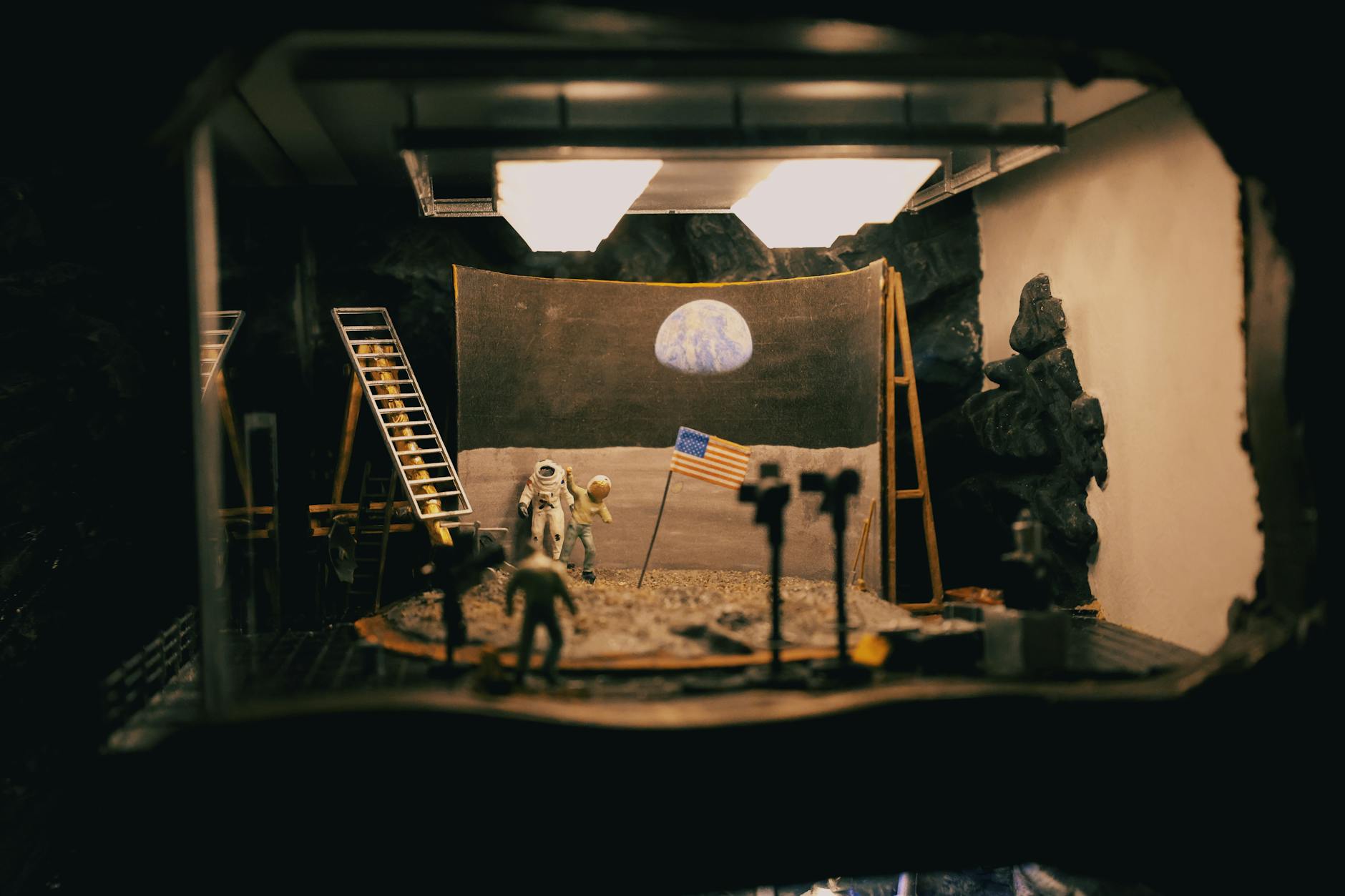
Amidst a landscape of stark contrasts and unforgiving conditions lies the lunar South Pole, a region that has captured the imagination of scientists and explorers alike. What draws attention here is not merely the prospect of reaching another celestial body, but rather the relentless challenges this environment presents. With peaks that bask in sunlight for over 80% of the time and depressions that plunge into eternal shadow, the South Pole is a theatre of extremes.
The allure of the South Pole lies in its potential as a site for sustained human exploration. Unlike the equatorial regions visited during the Apollo missions, this area offers a unique set of conditions that are both promising and problematic. The constant sunlight could provide a reliable source of solar energy, crucial for long-term habitation. However, the extreme altitude variations, reaching up to 16 kilometres, complicate lander and rover designs significantly.
The Dusty Reality
One cannot discuss the lunar South Pole without addressing the pervasive issue of lunar dust. This fine, abrasive powder poses a threat not just to machinery, but also to the health and safety of astronauts. The dust can infiltrate equipment, causing mechanical failures and reducing the lifespan of instruments. It clings to spacesuits, potentially causing damage and contamination.
NASA's plans for a Moon Base in this region are being carefully crafted around these environmental challenges. The need for robust, dust-resistant materials is paramount, as is the development of systems that can endure the harsh conditions. Advanced lander designs and innovative energy solutions are being prioritised to mitigate the risks posed by the terrain and temperature extremes.
A New Frontier for Innovation
The focus on the lunar South Pole is not merely a matter of geographical interest. It is shaping the future of space exploration technologies. The unique challenges of the region are driving advancements in engineering, material sciences, and environmental systems. As NASA and other space agencies continue to refine their strategies, the South Pole stands as a testament to human ingenuity and the relentless pursuit of exploration.