Navigating the Perils of the Lunar South Pole
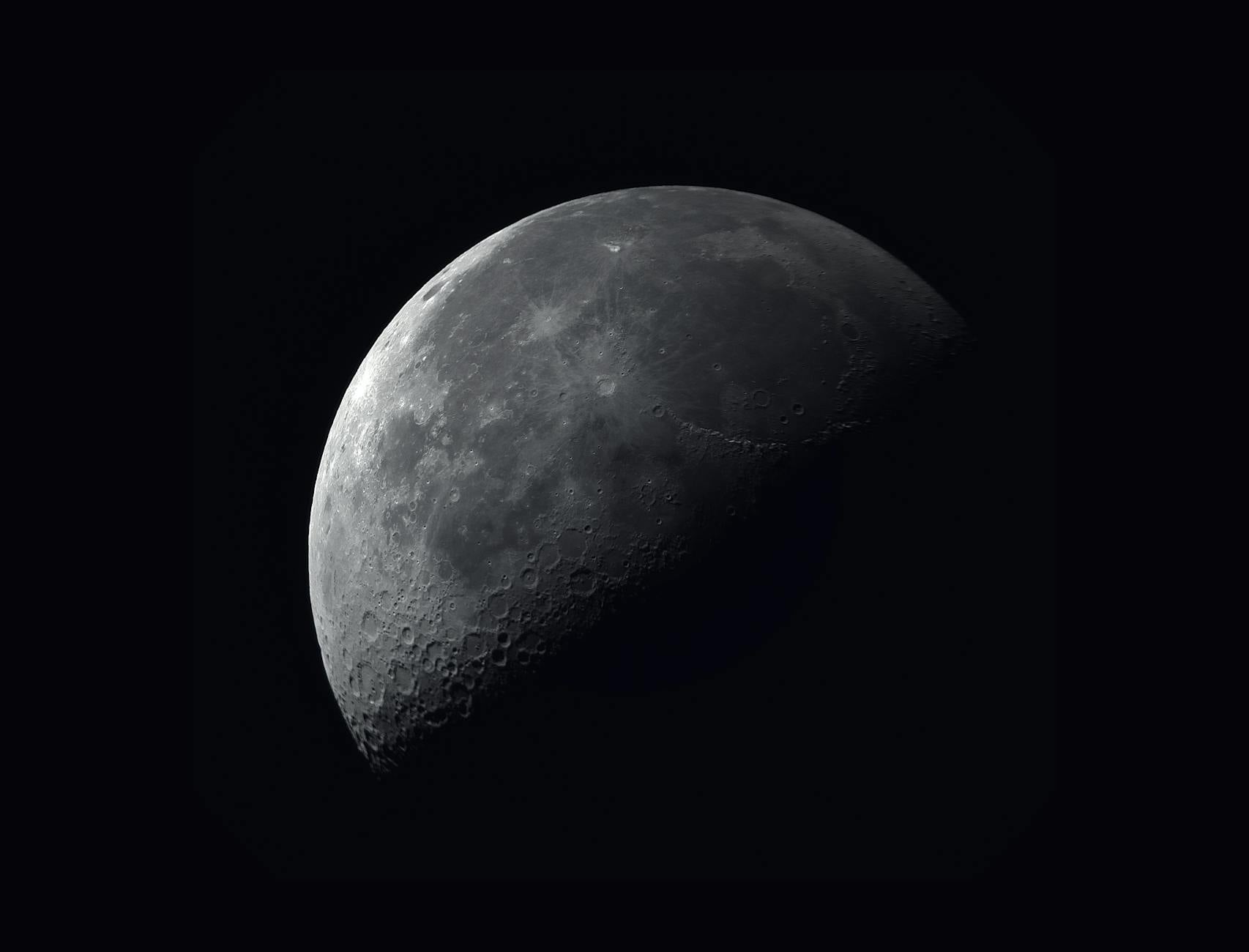
As the Sun barely skims the horizon, casting long, eerie shadows over the lunar South Pole, the stage is set for one of humanity’s most ambitious endeavours. This stark and unyielding landscape is not merely a destination but a crucible for cutting-edge technology and innovative survival strategies.
The allure of the lunar South Pole lies not in its desolation, but in its promise. Water ice, lurking in perpetually shadowed craters, offers the tantalising prospect of sustenance for future lunar bases. Yet, the same shadows that harbour water also cloak the terrain in persistent darkness, posing a formidable challenge for navigation and solar power generation.
Lunar dust, as fine as flour yet as abrasive as sandpaper, is another adversary. It clings to every surface, threatening to erode machinery and infiltrate habitats. The need for robust dust mitigation technologies is as critical as the development of spacesuits that can withstand the Moon’s temperature extremes, which can swing from a bone-chilling -233 C in the shadows to over 120 C in the sunlight.
Technological Innovations
NASA's Artemis programme is spearheading efforts to conquer these hurdles, focusing on sustainable living conditions. The concept of in-situ resource utilisation (ISRU) is central to this mission. By converting lunar regolith into building materials, the Moon itself becomes the scaffold for human habitation. This reduces the need for costly Earth-based supply missions and paves the way for long-term exploration.
Lighting, or rather the lack of it, demands novel solutions. Reflective mirrors and advanced battery systems are being explored to provide consistent energy supply, crucial for both survival and scientific operations. These innovations not only aim to sustain life but also to facilitate research that could unlock the Moon’s geological secrets.
A Gateway to the Stars
While the challenges are manifold, the lunar South Pole serves as an invaluable testing ground for future interplanetary missions. The lessons learned here will inform efforts to reach Mars and beyond, making the Moon a stepping stone to the stars.
In conquering the harsh environment of the lunar South Pole, humanity is not just reaching for the Moon but grasping the future of space exploration. It is a testament to human resilience and ingenuity, setting the stage for a new era of discovery.