NCIS Initiative Rewards Stubble Management to Combat Pollution
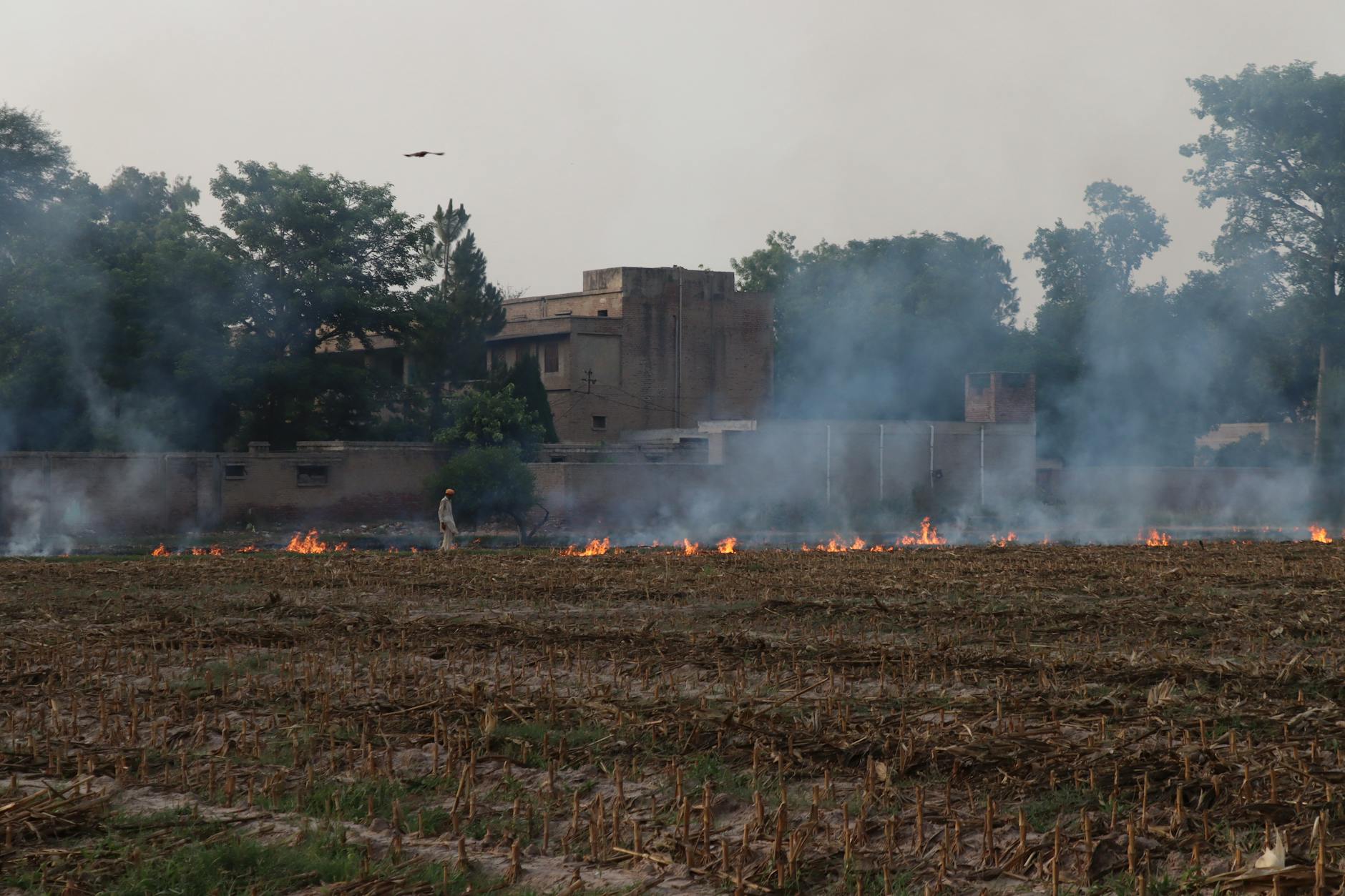
In a bold move to tackle one of northern India's most persistent environmental challenges, the National Centre for Innovation in Sustainability (NCIS) has unveiled a new initiative aimed at curbing the widespread practice of paddy stubble burning. This activity, prevalent in Punjab and Haryana, has long been a thorn in the side of environmentalists, contributing significantly to the seasonal smog that envelops Delhi and its surroundings.
The scheme, part of the NCIS's Promoting Regenerative and No-Burn Agriculture (PRANA) project, seeks to incentivise service providers who successfully aid farmers in managing their crop residue without resorting to burning. By directly rewarding those who can implement practical, sustainable solutions, the initiative aims to address the deficiencies of previous government attempts, which largely relied on subsidies for machinery that farmers found ineffective.
A New Approach to an Old Problem
For years, the central and state governments have tried to tackle the issue with subsidies for machines like rotobeaters and Happy Seeders. However, many farmers have expressed frustration, labelling these efforts as inadequate. "We don’t have any option but to burn stubble," one farmer lamented, highlighting the urgency and practical challenges faced by those in the agricultural sector.
The new NCIS scheme shifts the focus from penalising farmers to empowering them, rewarding service providers who can demonstrably reduce stubble burning. The hope is to create a ripple effect throughout the agricultural community, fostering a culture of sustainability and innovation.
Environmental and Economic Implications
Paddy stubble burning is not merely a localised problem but a significant contributor to air pollution that affects millions. The practice, driven by the tight turnaround between rice harvest and wheat sowing, is both cost-effective and expedient for farmers. Yet, its environmental toll is severe, exacerbating air quality issues that have necessitated emergency measures in Delhi.
Through initiatives like PRANA, the NCIS aims to reframe the narrative, transforming stubble from waste to resource. By aligning economic incentives with environmental goals, the initiative hopes to pave the way for broader adoption of regenerative agriculture practices.
As the scheme unfolds, its success will depend on the collaboration between service providers, farmers, and policymakers, a tripartite alliance crucial for tackling one of India’s most pressing environmental crises.