NCIS Initiative to Tackle Stubble Burning Gains Traction
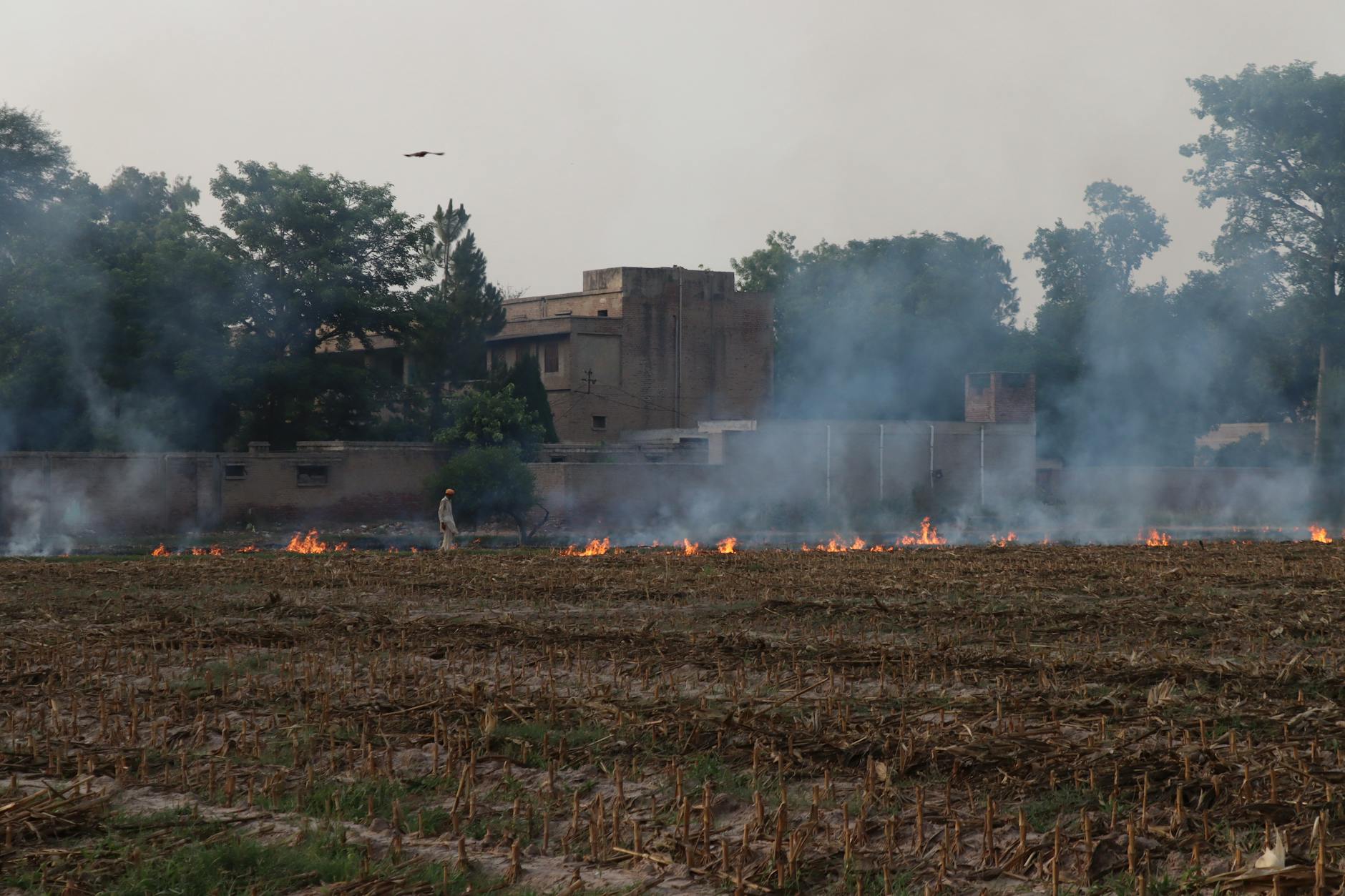
In a bid to tackle the perennial problem of air pollution in New Delhi, the National Centre for Innovation in Sustainable Development (NCIS) has launched a new scheme. This initiative aims to incentivise service providers who assist farmers in halting the environmentally damaging practice of burning paddy stubble.
The move comes as part of a larger ₹50-crore initiative by the Environment Ministry, designed to mitigate the impact of stubble burning on air quality. Over the past four years, NCIS has made significant strides, reaching out to more than 6.5 lakh farmers across 6,200 villages in Punjab's 18 districts.
A Persistent Challenge
Paddy stubble burning has long been a contentious issue, with the smoke often drifting into New Delhi, exacerbating the city's already dire air quality. The practice, a quick and cost-effective way for farmers to clear fields, has been difficult to curb despite various legislative and financial efforts.
Heena Sharma, Senior MEL Specialist at NCIS, highlighted the progress made thus far, noting that approximately 300,000 farmers have transitioned to no-burn methods. Yet, the challenge remains considerable, especially given the historical data showing fluctuating numbers in farm fires over the years.
Complexity of Legislation
The complexity of the issue is heightened by legislative measures such as the Punjab Preservation of Subsoil Water Act of 2009, which inadvertently encouraged stubble burning by delaying the paddy sowing season. This has led to a compressed timeline for farmers to prepare their fields for the next crop, making burning a tempting, though environmentally costly, shortcut.
With the central government doubling penalties for non-compliance and notifying new rules under the Environment Protection Act, 1986, the NCIS scheme offers a more positive reinforcement approach. By rewarding service providers, the initiative seeks to create a sustainable and supportive ecosystem for farmers willing to adopt cleaner practices.