New Hub for Human-Wildlife Conflict Resolution Opens in Coimbatore
In the verdant city of Coimbatore, a new chapter in wildlife conservation was penned as Union Environment Minister Bhupender Yadav inaugurated the Centre of Excellence on Human-Wildlife Conflict. This ambitious initiative, housed at the Wildlife Institute of India-Sálim Ali Centre for Ornithology and Natural History (WII-SACON), seeks not merely to manage but to transform the paradigm of human-wildlife interactions.
The inauguration, attended by a cadre of experts, policymakers, and conservationists, was marked by the simultaneous launch of the National Human-Wildlife Conflict Portal. This digital platform promises to be a crucial tool in the ongoing struggle to balance human demands with wildlife preservation.
Technology Meets Tradition
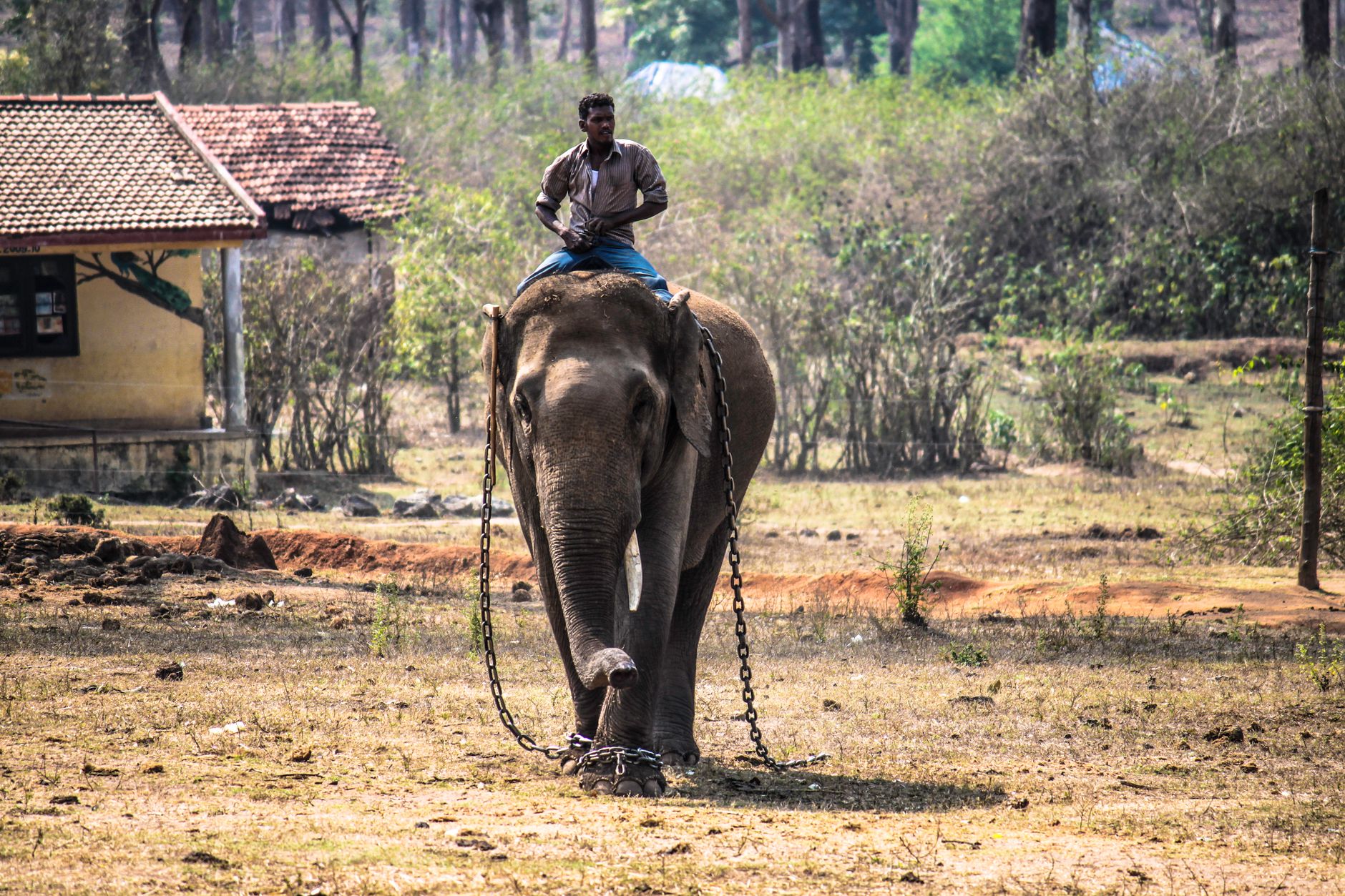
The workshop that followed was a confluence of old wisdom and new technologies. Experts presented case studies on notorious conflicts, notably between humans and elephants, as well as big cats. The focus was firmly on leveraging technology—drones, GPS tracking, and data analytics—to predict and mitigate conflict scenarios before they escalate.
Minister Yadav emphasised the need for coexistence, stating, "Our aim is not just to prevent conflict but to foster an environment where humans and wildlife can thrive side by side." His words reflect a growing recognition that India’s rich biodiversity is both a blessing and a challenge.
Challenges and Opportunities
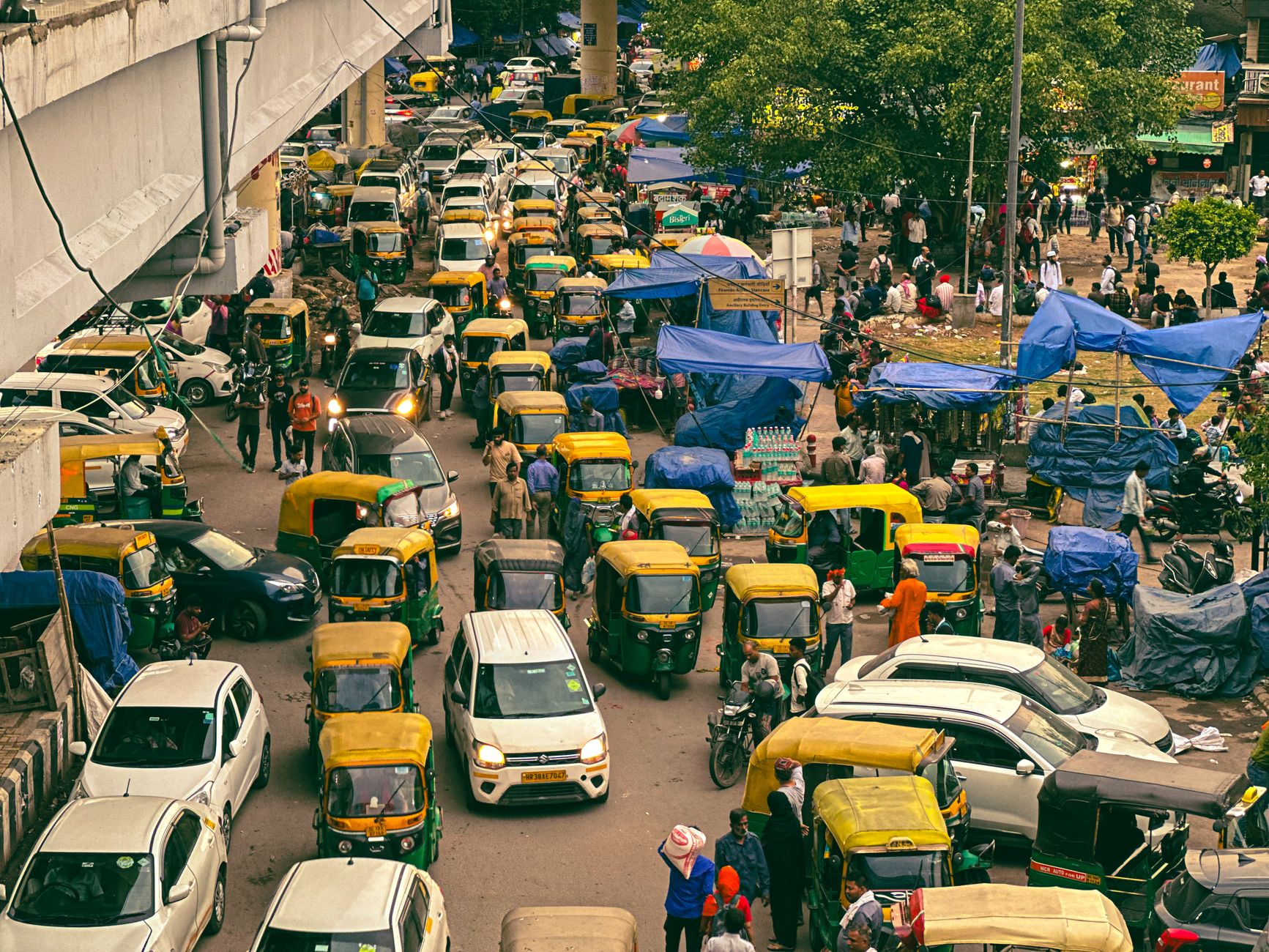
India, with its burgeoning population and expansive wildlife, often finds itself at the intersection of development and conservation. The newly inaugurated centre aims to address these challenges through research and policy recommendations, providing a blueprint for sustainable coexistence.
As part of the initiative, the National Human-Wildlife Conflict Portal will serve as a repository of data and best practices, accessible to state governments, NGOs, and researchers. The hope is that by pooling resources and knowledge, stakeholders can craft informed strategies tailored to local needs.
Ultimately, the centre and portal represent a significant step towards a more harmonious relationship between India’s people and its wildlife, one that respects the needs of both and recognises the intrinsic value of biodiversity. It is a journey towards understanding that in the web of life, every thread counts.