NGT Urges Nationwide Adoption of AIIMS Eco-Friendly Model in Hospitals
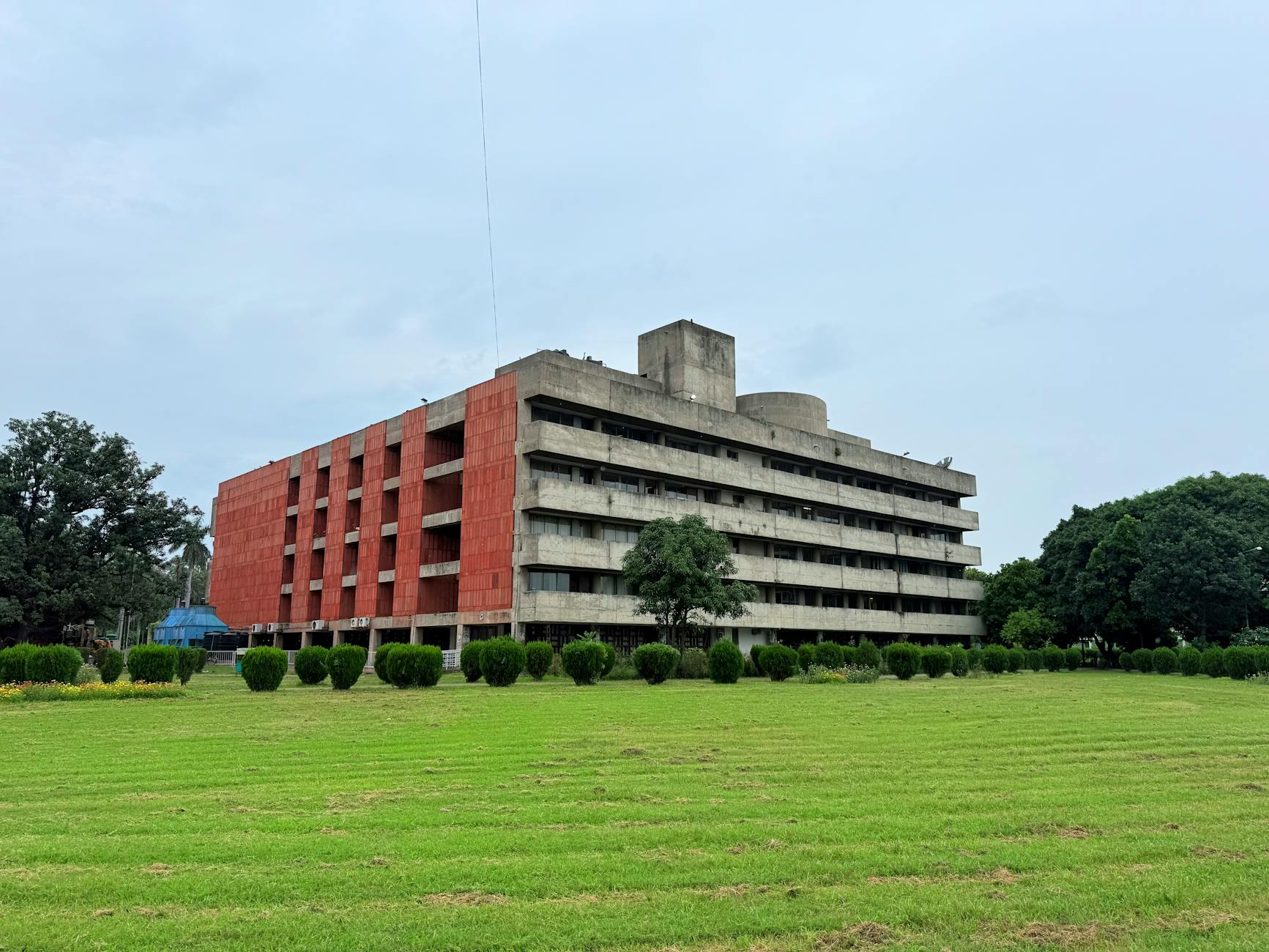
In a move that could redefine how public health facilities approach environmental sustainability, the National Green Tribunal (NGT) has called for the nationwide implementation of the environmental management plan currently in place at the All India Institute of Medical Sciences (AIIMS), Delhi. This recommendation, if executed, promises a greener future for government hospitals across India.
AIIMS Delhi's initiative has been lauded for its comprehensive waste management, water conservation, and energy efficiency strategies. These measures have significantly reduced the hospital's carbon footprint, setting a benchmark for others to follow. The NGT believes that by adopting similar practices, other government healthcare institutions can mitigate their environmental impact and contribute to a more sustainable future.
However, the task is easier said than done. Implementing such extensive measures requires not only financial investment but also a shift in operational culture. The Ministry of Health and Family Welfare has been tasked with evaluating the feasibility of this proposal, considering the varying capacities and resources of hospitals across different regions.
Environmental Challenges in Healthcare
The healthcare sector, while vital for human well-being, often inadvertently contributes to environmental degradation. Hospitals generate significant amounts of waste, consume vast quantities of water, and require substantial energy for daily operations. The NGT's directive is a timely reminder of the need to balance healthcare delivery with environmental stewardship.
Incorporating eco-friendly practices can lead to cost savings in the long term. Energy-efficient systems reduce electricity bills, while effective waste management can decrease disposal costs. Moreover, water conservation practices not only lower utility bills but also ensure resource availability for future generations.
The Path Forward
For this environmental vision to materialise, the government will need to facilitate training programmes, provide financial support, and establish clear guidelines to aid hospitals in this transition. The success of AIIMS Delhi serves as a promising prototype, but scaling it across the country will require coordinated efforts and robust policy support.
As the nation strives towards sustainable development goals, the healthcare sector must not lag behind. By embracing environmentally responsible practices, government hospitals can play a pivotal role in fostering a healthier planet. The NGT's recommendation, thus, is not just a call to action but a vision for a sustainable and resilient healthcare system.