NHAI's CORS Technology: A New Chapter for Ernakulam Bypass
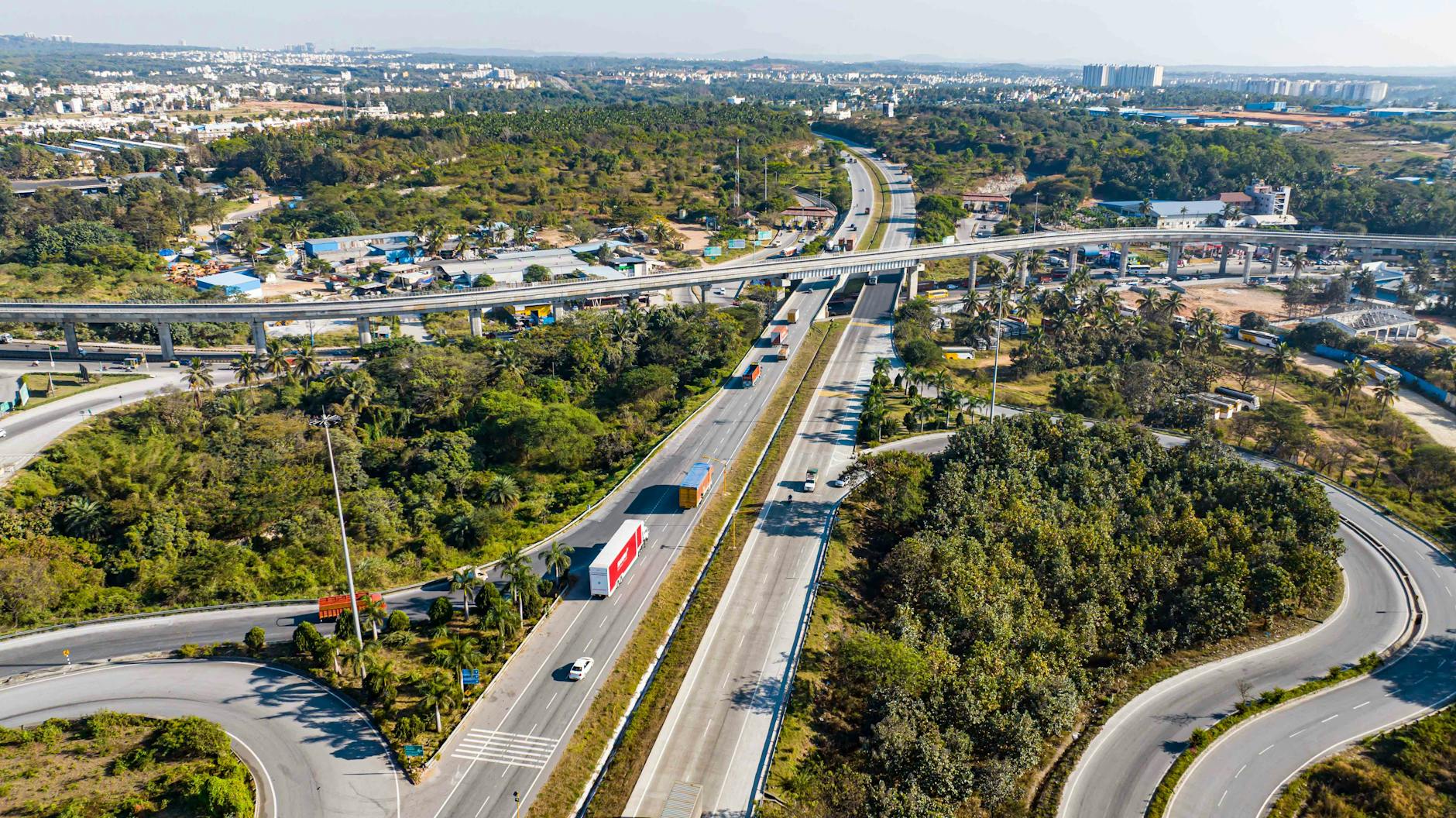
In what could be a significant stride towards modernising infrastructure development, the National Highways Authority of India (NHAI) has announced the deployment of Continuously Operating Reference Stations (CORS) technology to hasten the progress of the Ernakulam bypass project. This strategic move follows increasing discontent among Ernakulam's residents, who have grown weary of the protracted delays affecting the Kundannoor-Angamaly NH 544 Bypass.
The technology, commonly associated with providing high-precision GPS data, is expected to revolutionise the way surveys and boundary demarcations are conducted. By offering unparalleled accuracy, CORS technology could potentially reduce both time and human error, ensuring a smoother, more efficient progression of the project.
A Stubborn Delay
For years, the Ernakulam bypass project has been mired in setbacks, with residents voicing their concerns to Union Minister for Road Transport and Highways, Nithin Gadkari. The delays have not only inconvenienced local commuters but have also stunted the region's economic growth potential.
While traditional surveying methods have been fraught with challenges, CORS technology promises a more streamlined and precise approach. This could well mark a turning point for the project, which has been earmarked for fast-track approval by the Ministry of Infrastructure.
The Wider Implications
The adoption of CORS technology by NHAI could serve as a catalyst for broader changes in how infrastructure projects are managed across India. As more projects face pressure to meet deadlines and budget constraints, the need for innovative solutions becomes ever more pressing.
Incorporating such technology could set a new standard for the industry, potentially influencing policy and encouraging further technological integration in public works.
As the Ernakulam bypass project inches towards completion, all eyes will be on NHAI's deployment of CORS technology. Should it prove successful, it might very well pave the way for a new era in Indian infrastructure development, where efficiency and precision go hand in hand.