NITI Aayog Report Highlights Alarming School Dropout Rates
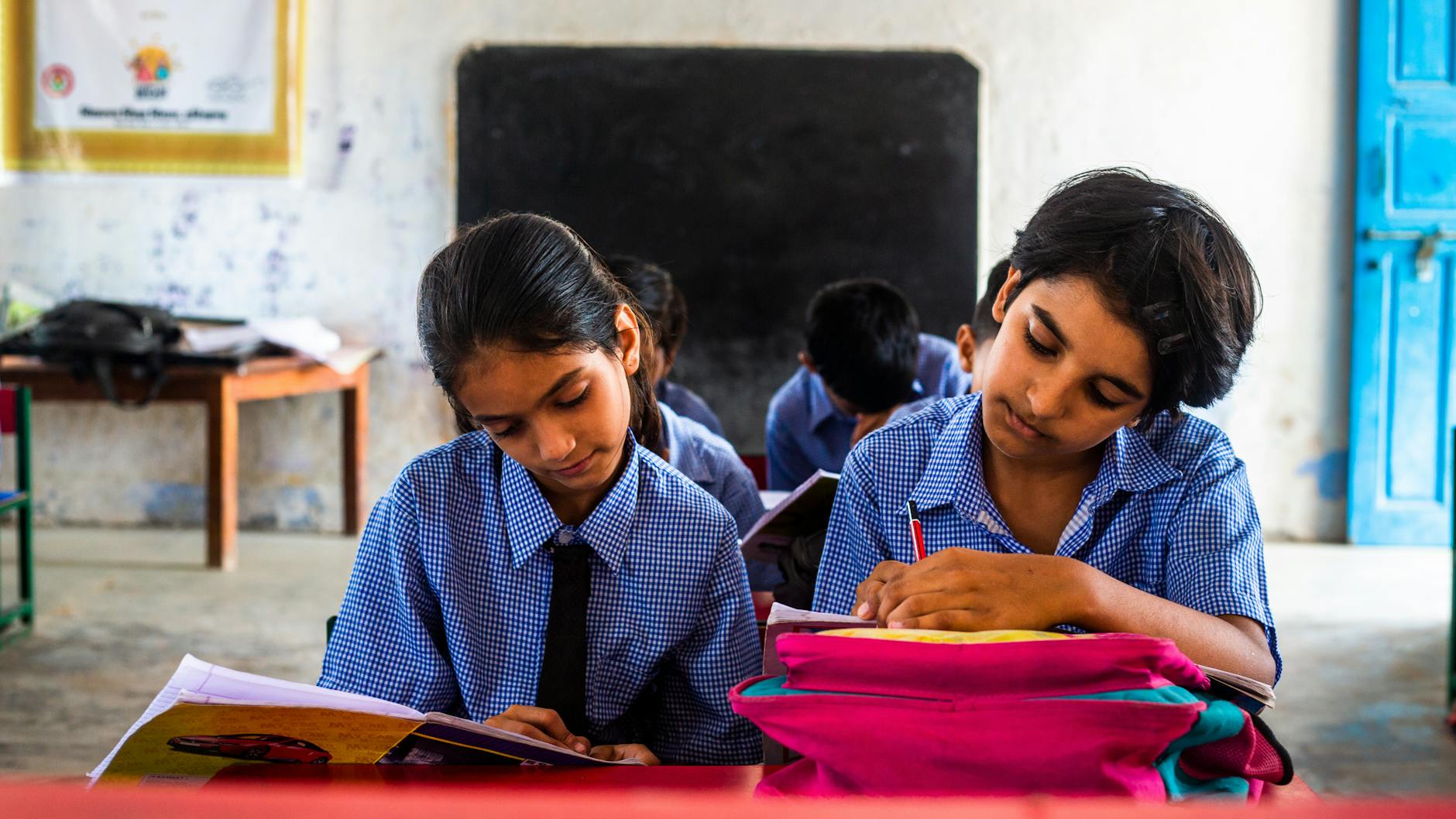
In what can only be described as a sobering revelation, a report by NITI Aayog has laid bare the stark realities of India's educational system. An alarming 40% of children drop out before reaching the end of their higher secondary education. This statistic underscores a systemic issue that has been festering for years.
The report highlights a critical flaw: the dearth of schools offering a continuous educational journey from Grade 1 to Grade 12. Currently, a meagre 5.4% of schools provide such a seamless path. This lack of continuity forces students to transition between institutions multiple times, often resulting in educational disruption and, ultimately, dropout.
The Cost of Fragmentation
This structural fragmentation in the schooling system is not merely a logistical inconvenience; it is a significant barrier to educational attainment. Each transition between schools can lead to a loss of academic momentum, with students struggling to adjust to new environments and curricula. For many, the cost of these transitions, both financial and emotional, becomes insurmountable.
Moreover, the report revealed that secondary education continues to witness the highest dropout rates among all educational stages. While some progress has been made, with one in ten students still leaving the system at this level, the figures remain troubling.
Implications for the Future
The implications of these dropout rates are far-reaching. They threaten to exacerbate existing socio-economic inequalities, as education is a key driver of upward mobility. Without adequate education, opportunities for young people to improve their circumstances diminish significantly.
As policymakers digest these findings, there is an urgent call for reforms that address the root causes of dropout rates. Enhancing the continuity of education and reducing the frequency of school transitions should be at the forefront of any strategy aimed at improving educational outcomes.