NITI Aayog Report: India's School Dropout Dilemma and Needed Reforms
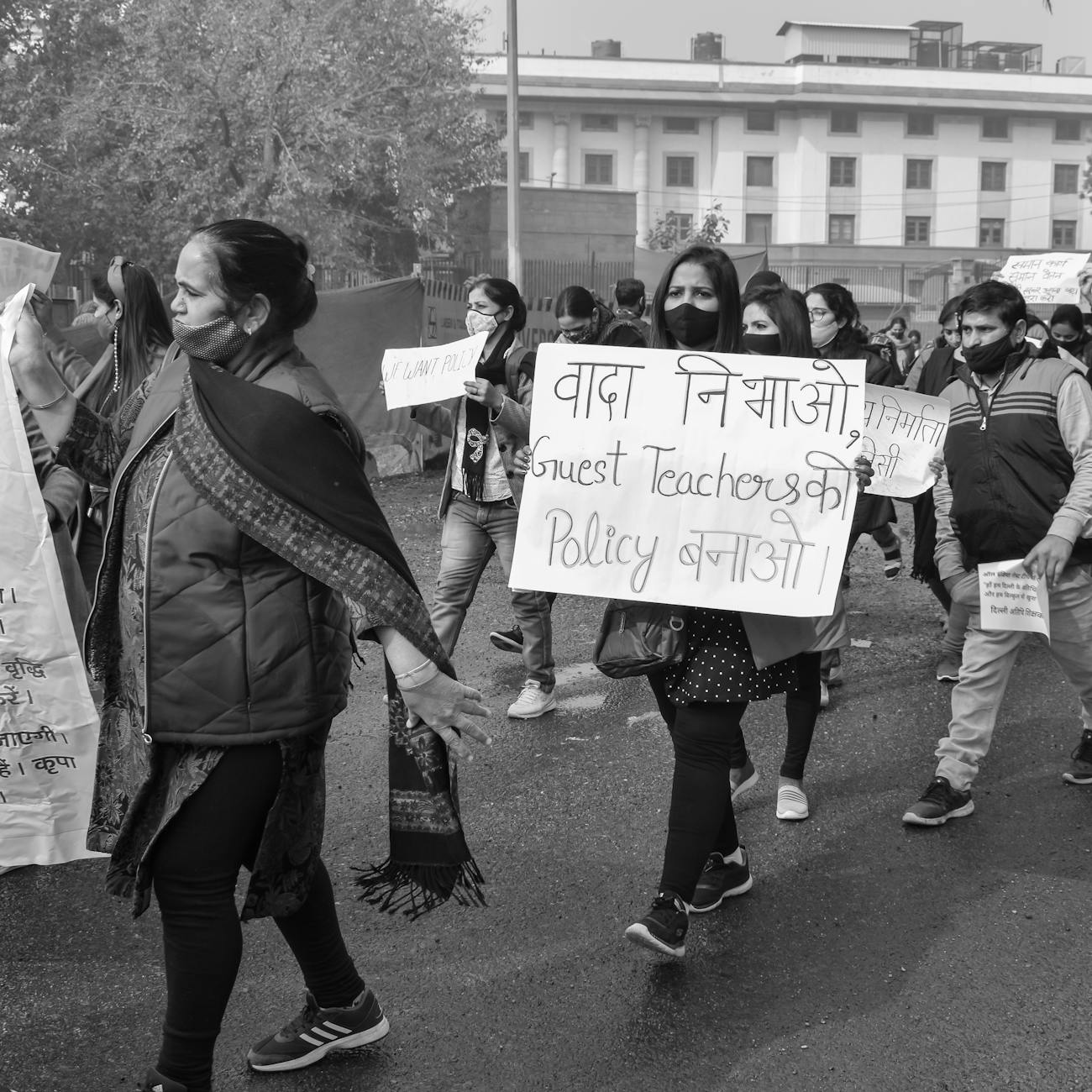
NITI Aayog's recent report paints a stark picture of India's school education system, revealing an alarming dropout crisis. With nearly 1.04 lakh schools operating with just a single teacher, and a mere 58.4% enrolment at the higher secondary level, the challenges are manifest. While access to education has improved significantly over the years, the continuity and quality of this education remain sore points.
The report, titled ‘School Education System in India: Temporal Analysis and Policy Roadmap for Quality Enhancement’, emphasises three key dimensions: access, equity, and quality. Although strides have been made in making education accessible, the uneven quality of education across different regions and the high dropout rates are troubling. The report calls for immediate reforms, particularly in strengthening foundational literacy and numeracy skills among young learners.
Policy Recommendations
NITI Aayog proposes a robust policy roadmap to tackle these issues. One of the primary recommendations is the expansion of digital learning infrastructure. Given the rapid digitalisation observed during the pandemic, leveraging technology to improve educational outcomes seems prudent. Additionally, the report suggests a comprehensive revamp of teacher training programmes to ensure that educators are well-equipped to handle diverse learning needs.
Interestingly, the report also highlights the concentration of students across different stages of schooling. It suggests that policymakers should focus not only on increasing enrolment but also on ensuring that students remain engaged and motivated throughout their educational journey.
The Road Ahead
While the challenges are by no means trivial, NITI Aayog's report is a clarion call for action. The existing disparities in educational quality and access must be addressed with urgency. As India continues to position itself as a global economic power, ensuring a robust and equitable education system will be crucial. The recommended reforms, if implemented effectively, could very well transform the future of millions of young Indians.
In conclusion, the report presents a sobering yet hopeful vision for the future of Indian education. The path to reform is fraught with challenges, but with strategic policy interventions, it is a journey worth embarking upon.