NITI Aayog's Vision: Direct-to-Mobile to Harmonise Broadcast and Cellular Spectrum
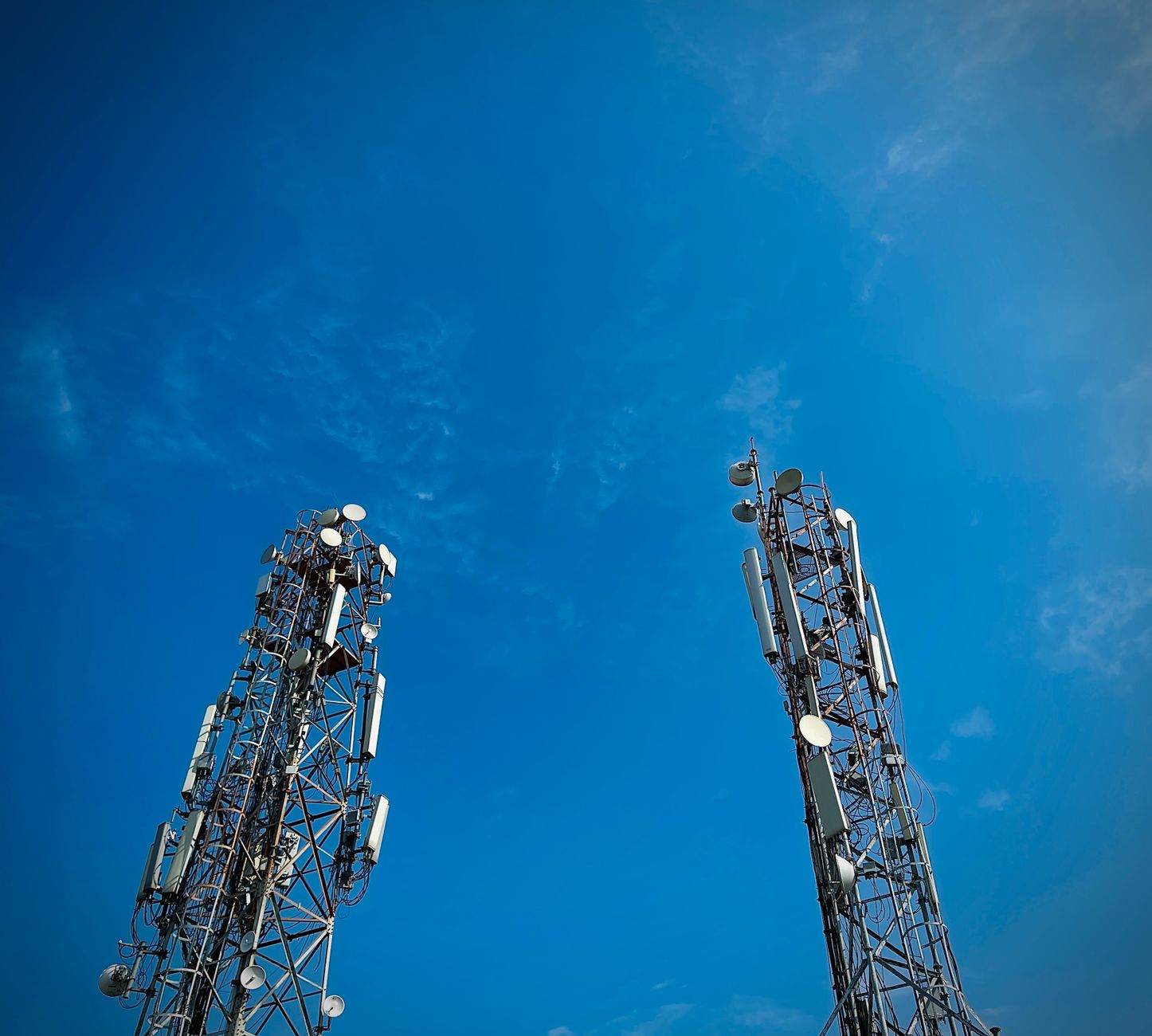
In the bustling corridors of India's technology landscape, a subtle yet significant shift is underway. NITI Aayog's Abhay Karandikar has put forth a compelling argument for Direct-to-Mobile (D2M) technology, positing that it could serve as a crucial bridge between cellular and broadcasting domains. This development emerges as a refreshing breeze in an era where technological silos are increasingly seen as obstacles to seamless connectivity.
Karandikar's remarks come at a time when IIT Kanpur has inked a Memorandum of Understanding with Bharat Sanchar Nigam Limited (BSNL) to explore digital technologies, including the promising D2M broadcasting. The initiative aims not only to enhance consumer experience but also to open new avenues for applications beyond the realms of traditional entertainment and broadcasting.
At the heart of this technological endeavour is the harmonisation of spectrum, a resource as finite as it is precious. In India, where the demand for both cellular and broadcast services is burgeoning, efficient spectrum use is imperative. D2M technology could offer a dual advantage: reducing the load on cellular networks while optimising broadcasting services.
The Broader Implications
The implications of successfully integrating D2M technology extend beyond mere technical achievements. It represents a potential paradigm shift in how content is delivered and consumed. By enabling direct broadcasts to mobile devices, the technology promises to revolutionise the accessibility of information, particularly in areas with limited internet connectivity.
The Direct-to-Mobile Broadcasting Conclave, orchestrated by IIT Kanpur in collaboration with Prasar Bharati and the Telecommunications Standards Development Society, India (TSDSI), underscored the national significance of this technological leap. The conclave, attended by key industry figures, called for a concerted effort to realise the potential of D2M, citing it as a matter of national interest.
A Vision for the Future
India's Committee of Secretaries has already granted in-principle clearance for the technology, hinting at the Government's willingness to embrace innovative solutions. As the nation stands on the cusp of a new digital era, the successful implementation of D2M could not only transform broadcast and telecommunications sectors but also set a precedent for future technological collaborations.
In conclusion, while the road to nationwide D2M deployment may be fraught with challenges, the potential benefits make it a journey worth undertaking. With the likes of NITI Aayog, IIT Kanpur, and BSNL leading the charge, India may soon witness a seamless integration of its broadcast and cellular infrastructures, enhancing connectivity for millions.