NML-JSR's New Initiative Harnesses Green Tech for E-Waste Mining
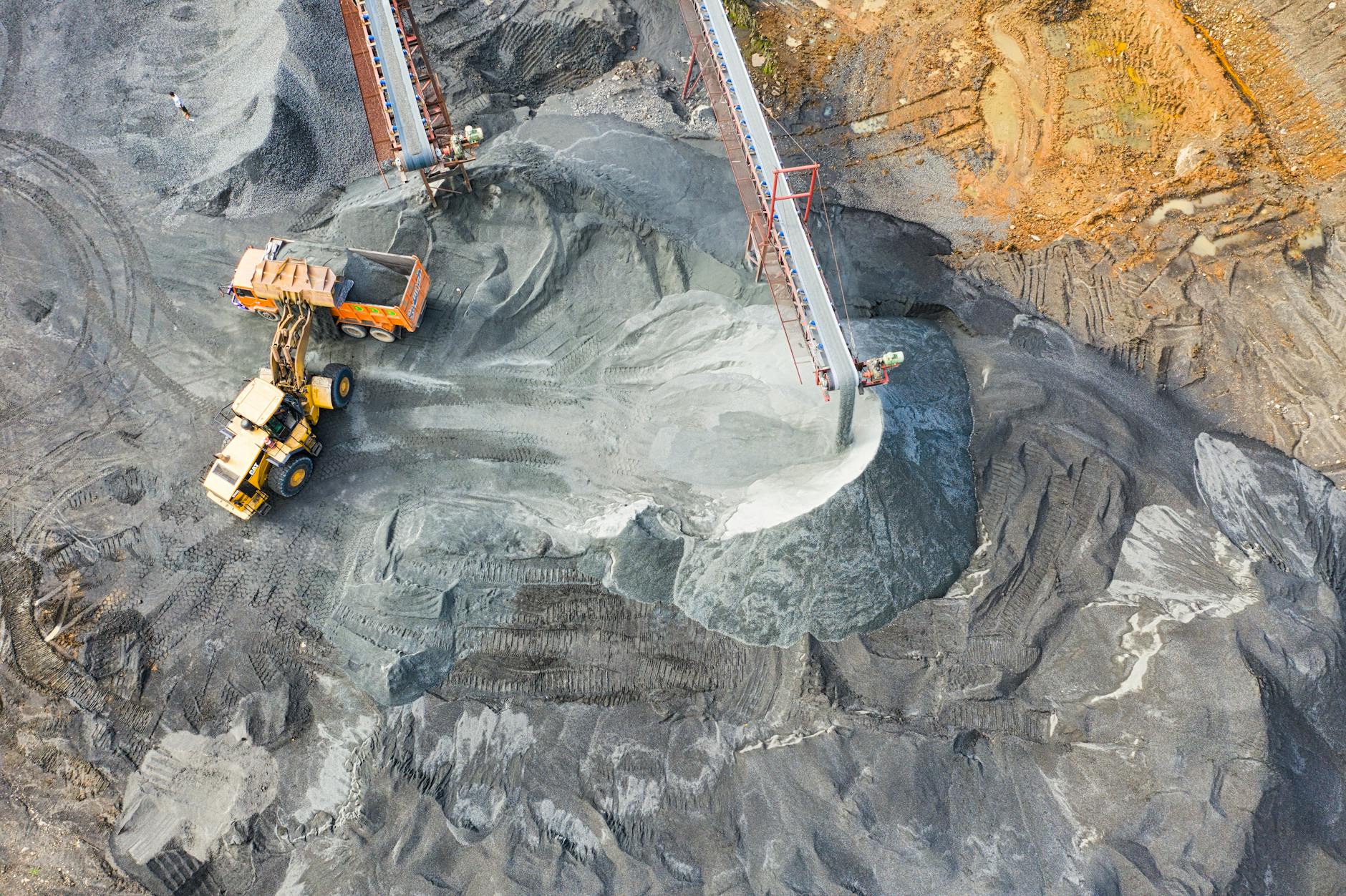
A small yet promising revolution is afoot in the world of urban mining. NML-JSR, a noted materials research institute, has launched a programme to refine the extraction of precious metals from electronic waste. This initiative is poised not only to mitigate the environmental impact of e-waste but also to make the extraction process more efficient.
Electronic waste, or e-waste, has become a rapidly growing concern, with estimates suggesting it will reach 50 million tonnes globally. Traditional methods, such as smelting and leaching, are notorious for their environmental damage, often causing more harm than good. The new pilot plant promises a cleaner alternative, employing hybrid methods that boast an extraction efficiency of over 90%. This could indeed be a game-changer for the circular economy.
Addressing the E-Waste Crisis
At present, only a meagre 15% of the world's e-waste is recycled, with much of it being illicitly trafficked to developing countries. There, it's often processed in hazardous conditions, releasing toxic fumes into the atmosphere. NML-JSR's initiative seeks to change this narrative by providing a sustainable and safe method of extracting valuable metals like copper and gold.
The programme's timing couldn't be more apt. As urban centres continue to expand, the demand for electronic goods surges, leading to an inevitable increase in discarded electronics. By tapping into this vast resource, NML-JSR not only addresses a pressing environmental issue but also taps into a potentially lucrative market.
Challenges and Opportunities
While the programme is still in its nascent stages, it offers a glimpse into a future where urban mining could become a cornerstone of sustainable development. However, challenges remain, particularly in scaling up the technology for widespread use. The journey from pilot plant to commercial viability is fraught with technical and logistical hurdles.
Nevertheless, the potential rewards are substantial. By reducing reliance on traditional mining, which is both energy-intensive and environmentally damaging, initiatives like this could pave the way for a more sustainable future. As NML-JSR continues to refine its methods, the hope is that other organisations will follow suit, leading to a greener, cleaner planet.