Nvidia's Billion-Dollar Bet on Photonics to Transform AI
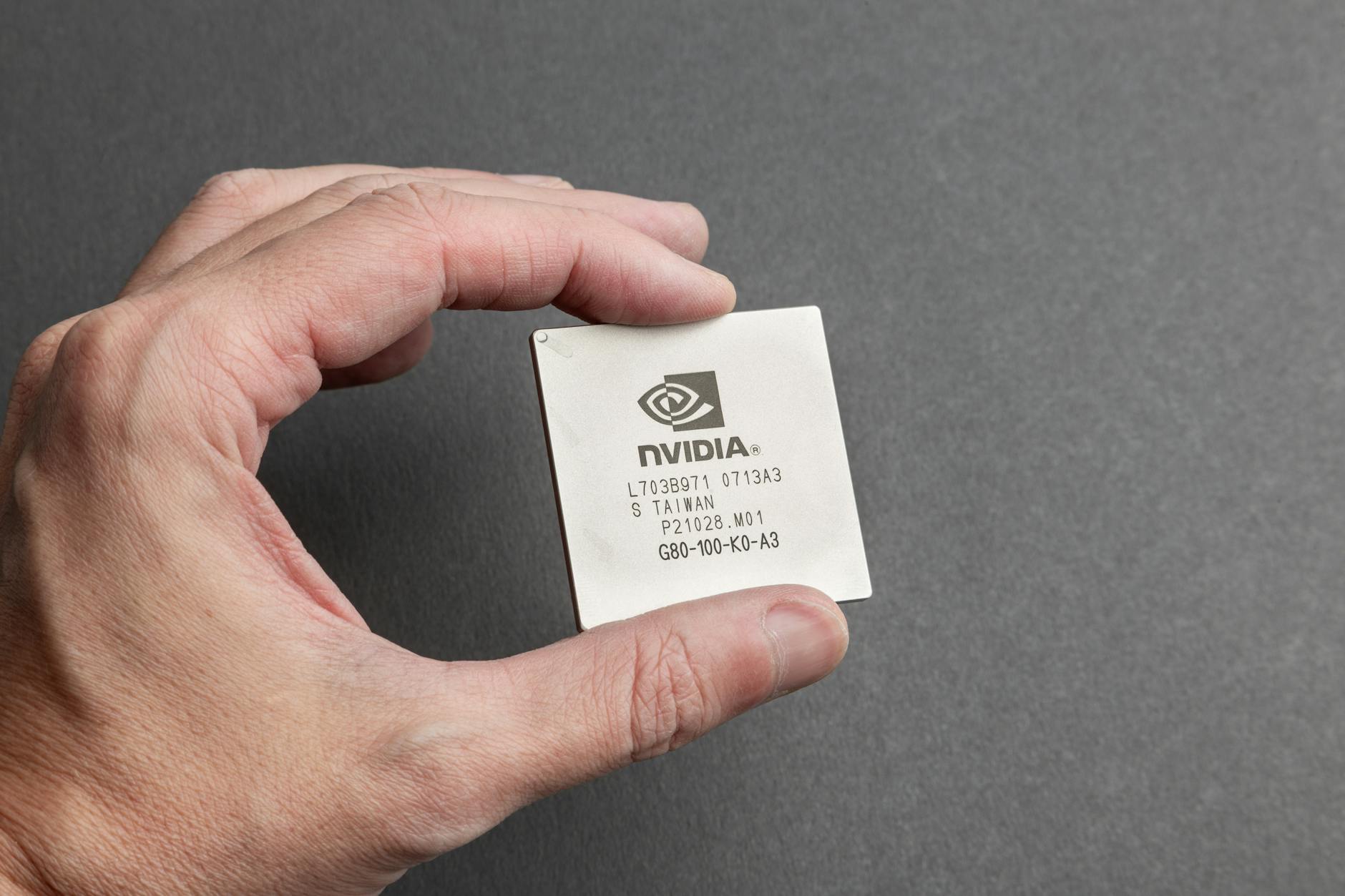
Nvidia's latest move to pour billions into photonics technology might just be the boldest stroke yet in its quest to dominate the AI sector. As data centres groan under the weight of increasing energy demands, photonics emerges as a beacon of hope, promising to alleviate the bottlenecks that have stymied rapid AI advancements.
Photonics, the science of using light to transmit data, offers a tantalising alternative to traditional electrical data transfer, which is notably power-hungry. Nvidia's recent investments totalling $6.5 billion into firms like Lumentum, Coherent, and Marvell underscore its commitment to this emerging field. The aim is clear: to harness the efficiency of light to accelerate AI performance while reducing energy consumption.
The Broader Implications
This investment is not merely a financial manoeuvre; it signals a potential shift in the technological landscape. With AI systems becoming increasingly complex and demanding, the need for faster, more efficient data movement is paramount. By betting on photonics, Nvidia positions itself as a frontrunner in overcoming these infrastructural limits, potentially setting new industry standards.
Industry analysts have long speculated about Nvidia's evolving role from a mere chip manufacturer to a hybrid tech powerhouse. Its latest foray into photonics reflects this transformation. The company’s capacity to combine chip development, AI software ecosystems, and cloud infrastructure makes it a formidable player in the global AI race.
Looking Ahead
While the full realisation of photonics' potential is still unfolding, Nvidia's investments demonstrate a strategic foresight. As the competition intensifies, with tech giants worldwide rapidly investing in foundational AI models and next-generation data infrastructure, Nvidia's aggressive deal-making keeps it ahead of the curve.
In essence, Nvidia's billion-dollar bet on photonics could well be the key to unlocking the next chapter of AI innovation, setting the stage for more sustainable and efficient technology.