Odisha Bauxite Mining: Government's Defence Sparks Debate
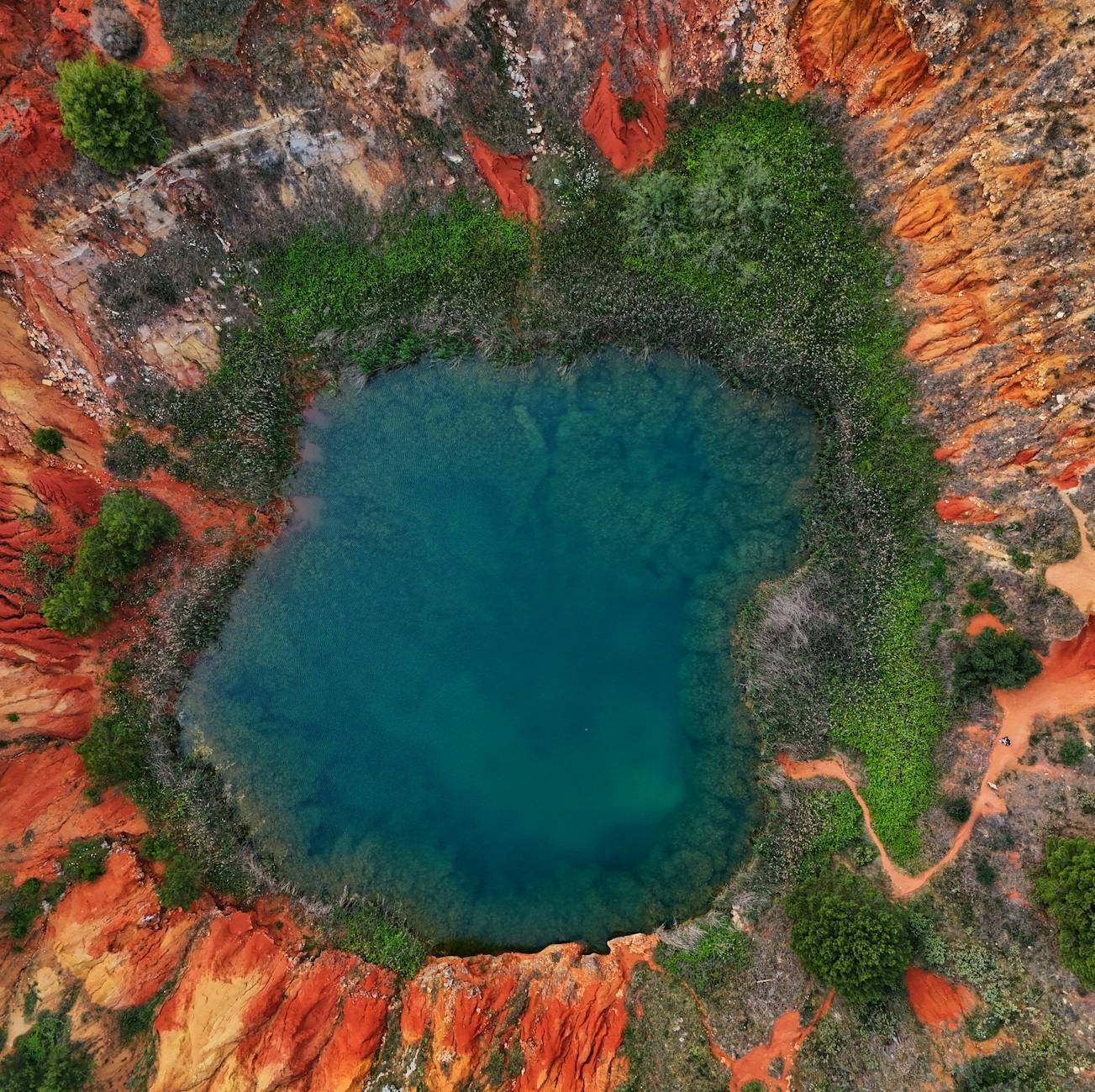
The Union Environment Ministry has responded with notable resolve to allegations concerning its involvement in the bauxite mining activities within Odisha's Karlapat wildlife sanctuary. The ministry's terse statement, issued just hours after the publication of an investigative report, insists on the legitimacy of their actions, emphasising the perceived necessity of economic development in the region.
This controversy has its roots in a recent investigation that accused the state government of bending environmental rules to facilitate mining operations. The report highlights how segments of the Karlapat sanctuary, known for its rich biodiversity, were stripped of their protective status, allegedly to appease industrial interests.
Economic Gains Versus Environmental Costs
The ministry's defence is couched in the rhetoric of economic growth. Bauxite, an essential ore for aluminium production, holds significant economic promise for Odisha, a state keen to capitalise on its mineral wealth. Yet, this ambition comes at a cost, raising questions about the balance between development and conservation.
What complicates this scenario further is the involvement of the National Board for Wildlife, the apex body chaired by the prime minister. Their role in approving the boundary alterations has drawn criticism from conservationists and activists alike, who argue that such decisions set a worrying precedent for wildlife protection across India.
A Broader Implication
This issue is not merely a regional dispute but a reflection of a national dilemma. It highlights the ongoing struggle to harmonise economic aspirations with the need to preserve India's natural heritage. As debates rage on, the need for transparent, balanced policies becomes ever more apparent.
As the dust settles on this latest chapter, one thing is clear: the tension between growth and sustainability remains a potent force in shaping India's future.