Pennsylvania's Environmental Future: A Battle for Clean Air and Water
In Pennsylvania, the battle for environmental preservation is as much a part of the state's landscape as its rolling hills and verdant forests. The latest updates from the PA Environment Digest paint a picture of a state at a crossroads, grappling with the dual imperatives of economic growth and environmental stewardship.
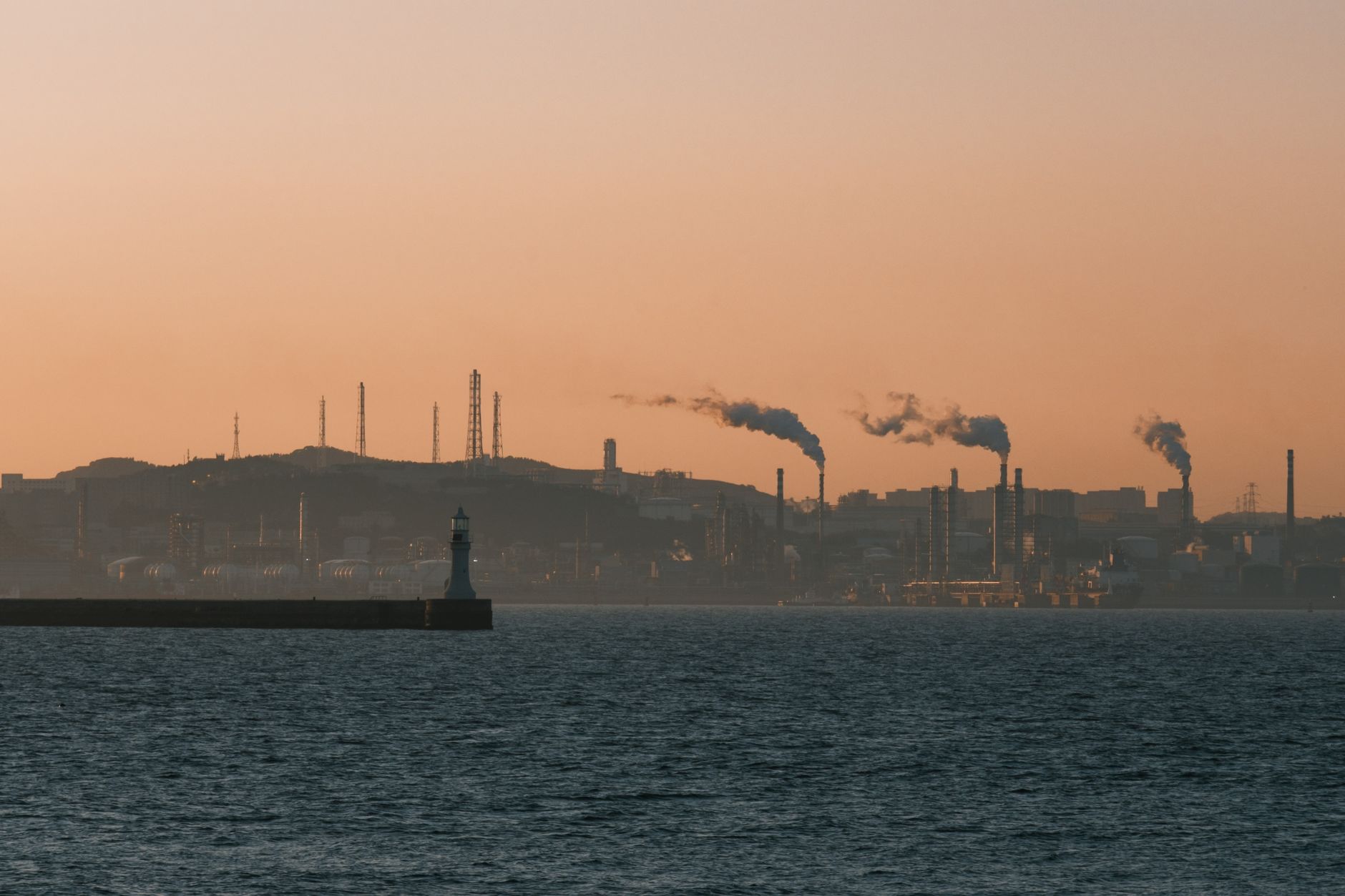
The Digest, a trusted resource for environmental news in the region, has recently highlighted several pressing issues. Chief among them is the quality of air and water, which has been a longstanding concern for residents and environmentalists alike. Pennsylvania's historical reliance on coal and heavy industry has left a legacy of pollution that continues to challenge policymakers and activists.
Striving for Clean Air
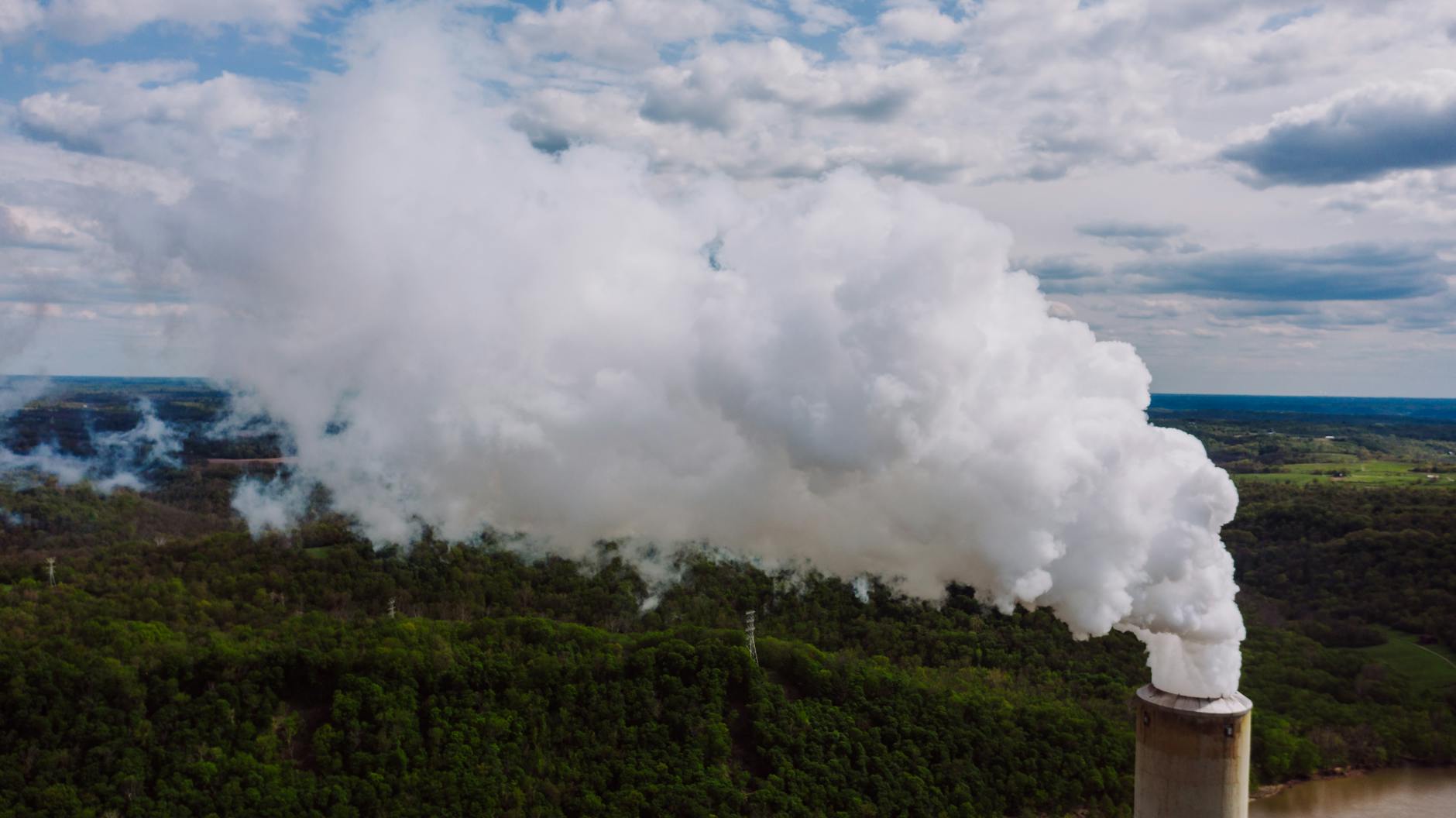
Efforts to improve air quality have been ongoing, yet progress is often stymied by competing interests. The state's commitment to reducing emissions is met with resistance from industries that argue that stringent regulations stifle economic growth. However, advocates for cleaner air insist that the health benefits far outweigh the costs. According to recent data, air pollution contributes to numerous health problems, including asthma and other respiratory conditions, particularly affecting vulnerable communities.
Water Woes
Water, too, remains a critical issue. The preservation of Pennsylvania's waterways is vital not only for ecological reasons but also for public health and recreational purposes. Contaminants such as agricultural runoff and industrial waste pose significant threats. The state has implemented various measures to address these issues, but experts warn that more comprehensive strategies are needed to ensure long-term sustainability.
Ultimately, Pennsylvania's environmental future hinges on the ability to balance economic interests with the imperative to safeguard its natural resources. The path forward will require collaboration across sectors, innovative policy solutions, and a steadfast commitment to preserving the state's environmental heritage for future generations.