Pennsylvania's Environmental Rights: A Constitutional Mandate

Pennsylvania's constitution is rather unique, featuring a clause that boldly asserts the right to clean air, pure water, and the preservation of the environment's aesthetic values. Article I, Section 27 is not merely a suggestion, but a constitutional mandate that has sparked fervent debate about its practical implications and enforcement.
Enshrined in the state's legal framework since 1971, this environmental provision obliges the government to act as a trustee of the state's natural resources, protecting them for the benefit of all its citizens. However, the reality of maintaining this balance between economic development and environmental stewardship often proves challenging.
Recent discussions have centred around how effectively these rights are upheld in the face of industrial pressures and political interests. While some argue that the constitutional clause provides a robust foundation for environmental litigation, others claim that economic imperatives frequently overshadow environmental concerns, leading to regulatory compromises.
Environmental Challenges and Legal Battles
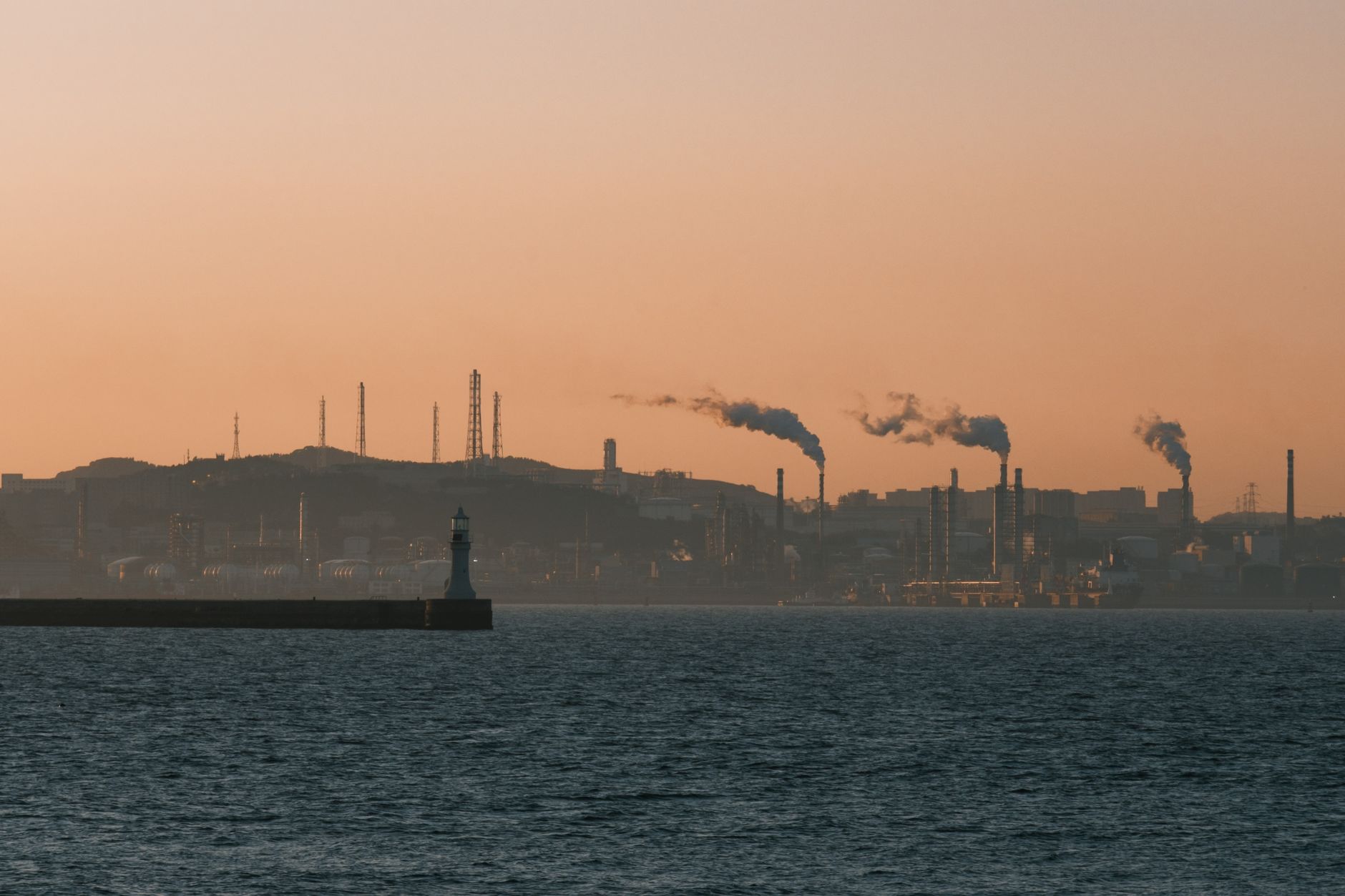
Pennsylvania's rich coal and natural gas deposits have historically driven its economy. Yet, these industries also contribute significantly to pollution and environmental degradation, posing a direct challenge to the state's constitutional commitment.
In recent years, legal battles have emerged, testing the strength of Article I, Section 27. Environmental groups have increasingly turned to the courts to demand stricter adherence to the constitutional provision, arguing that the state must prioritise long-term ecological health over short-term economic gains.
These legal skirmishes often highlight the tension between local communities advocating for their environmental rights and corporations pursuing resource extraction. The outcomes of such cases could set significant precedents for how environmental rights are interpreted and enforced across the United States.
The Broader Implications
The ongoing debate in Pennsylvania serves as a microcosm of a larger global conversation about sustainable development. As climate change concerns intensify, the need to balance economic growth with environmental protection becomes ever more pressing.
The state's constitutional approach offers an intriguing model, suggesting that legally enshrined environmental rights could play a pivotal role in shaping future policy. However, the true test lies in the political will to enforce these rights amidst competing interests.
As Pennsylvania navigates these complex issues, its experience may well inform other regions wrestling with similar dilemmas, highlighting the delicate interplay between law, policy, and the environment.